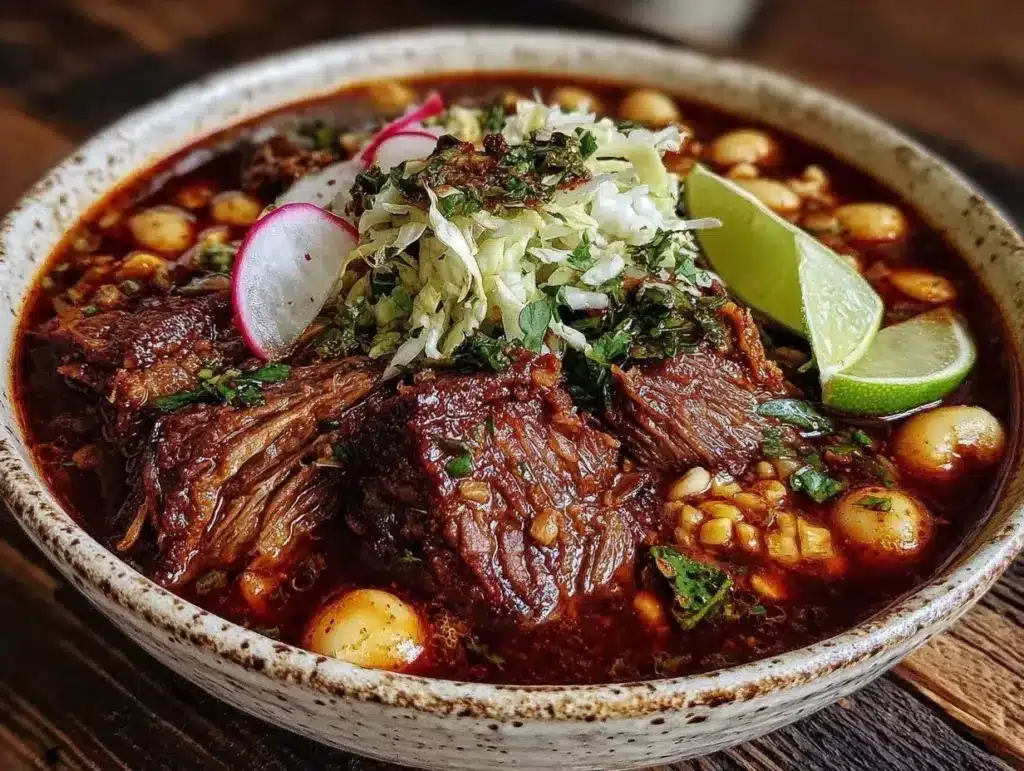
Last week, I stood in my kitchen at 6 AM on a Saturday, surrounded by a mountain of cabbage, radishes, and tortillas. My husband walked in, coffee in hand, saw the spread, and asked the question that haunts every meal-prepper: “Are we making soup for the whole week?” I nodded. He groaned, but he also knew exactly what he was getting into. We were making Mexican Independence Day Pozole Rojo, and we were going to eat it for four different dinners this week.
I know what you’re thinking. “Pozole? That’s a holiday dish. That’s a 12-hour project. That’s not something I make on a Tuesday.” And you’re right. It is a holiday dish. It’s the backbone of Mexican Independence Day celebrations across Mexico and in our community here in the US. But here’s the thing about meal prepping: the best strategies come from taking those big, beautiful holiday recipes and breaking them down into manageable, repeatable chunks. This isn’t about rushing through tradition. It’s about respecting the ingredients enough to make them right once, then letting them work for you all week long.
I’ve tested this specific method of making Mexican Independence Day Pozole Rojo at least six times over the last year. I’ve tried pressure cookers (too mushy), slow cookers (too weak flavor), and the traditional simmer method (the winner). The traditional way takes time, yes. But it’s mostly hands-off time. You get the pork fall-apart tender, the hominy plumps up, and the red chili broth deepens into something savory and complex. Then, you portion it out. By Wednesday night, when you’re tired and don’t want to cook, you have a restaurant-quality meal waiting in the freezer. It’s the ultimate “make it once, eat it four times” victory.
This recipe is my answer to the “what’s for dinner” panic, but with soul. It’s not just fuel; it’s a celebration you can have on repeat. If you’ve been intimidated by the idea of making pozole from scratch, this guide will show you how to do it efficiently, so you can spend your week enjoying it rather than stressing over it.
Why You’ll Love This Recipe
There are about ten reasons I keep making this, but here are the big ones that convinced me to put it on my permanent meal-prep rotation.
- It Freezes Like a Dream — Seriously, this is the #1 reason I make it. Soups and stews freeze beautifully, but pozole is different. The hominy and pork actually taste better after sitting in the fridge for a day or two, and it freezes perfectly for up to three months. I make a huge batch in October and eat it through January.
- Meal Prep King — This recipe yields about 8-10 servings. That means I cook it once, portion it into four containers for my immediate week, and freeze the rest. It’s the most efficient dinner strategy I have. Compare that to the creamy wild rice and mushroom casserole for one—delicious, but you eat it in two days. This lasts.
- Fall-Apart Tender Pork — I’ve tried so many ways to get pork shoulder tender. This slow-simmer method with dried chilies creates a texture that just melts in your mouth. No chewiness, no toughness. Just pure, succulent meat.
- Customizable Toppings — The beauty of pozole is the garnish bar. Each person builds their own bowl. My kids go heavy on the cabbage and radish; my husband loves the lime and oregano. It keeps the meal interesting even when you’re eating the same base recipe.
- Comforting and Warming — This is perfect for those crisp fall and winter evenings. It’s hearty enough to replace a sandwich or salad, but light enough that you don’t feel sluggish afterward. It pairs wonderfully with my no yeast garlic herb skillet flatbread for dipping.
This is my go-to when I need dinner to just work for the whole week. No complicated techniques, no weird ingredients you can’t find, just reliable, delicious food that makes everyone happy.
Ingredients You’ll Need
Here’s the best part: you probably have most of the pantry staples already. The key to a great Mexican Independence Day Pozole Rojo is the quality of your chilies and your pork. I’m particular about three ingredients here, and I’ll tell you exactly why.
For the Broth and Meat
Pork shoulder (butt) (3-4 pounds / 1.4-1.8 kg) — Bone-in, skin-on is best for flavor, but boneless works if you trim the fat. I buy it from the butcher and ask them to cut it into 3-inch chunks. This makes it easier to portion later. Don’t buy pre-cut stew meat; the texture is often off.
Dried Guajillo chilies (10-12 pieces / about 30g) — These provide the mild sweetness and deep red color. Look for pliable, bright red chilies. If they’re dusty or black, they’re old and will taste bitter. I always buy a new bag for this.
Dried Ancho chilies (6-8 pieces / about 20g) — These add the rich, raisin-like depth. They’re milder than guajillo but add complexity. Together, they create that classic “rojo” flavor profile.
Garlic (8 cloves, peeled / about 3 tablespoons) — Yes, eight cloves. Pozole needs bold garlic. Fresh only. No jarred stuff. It makes a huge difference in the final broth.
Yellow onion (1 large, quartered / about 250g) — Keep the skins on! This adds a beautiful golden-red hue to the broth. You’ll discard it later, but don’t skip it.
Bay leaves (2 large leaves) — Standard herb for slow cooking. Adds a subtle herbal note that grounds the spice.
Dried Mexican oregano (1 teaspoon) — Not Mediterranean oregano. Mexican oregano is more citrusy and earthy. You can find it in the international aisle of most grocery stores. If you can’t find it, use regular oregano, but the flavor will be slightly different.
Salt (2 tablespoons kosher salt, plus more to taste) — I use kosher salt because it’s easier to control. Adjust at the end.
For the Hominy and Finish
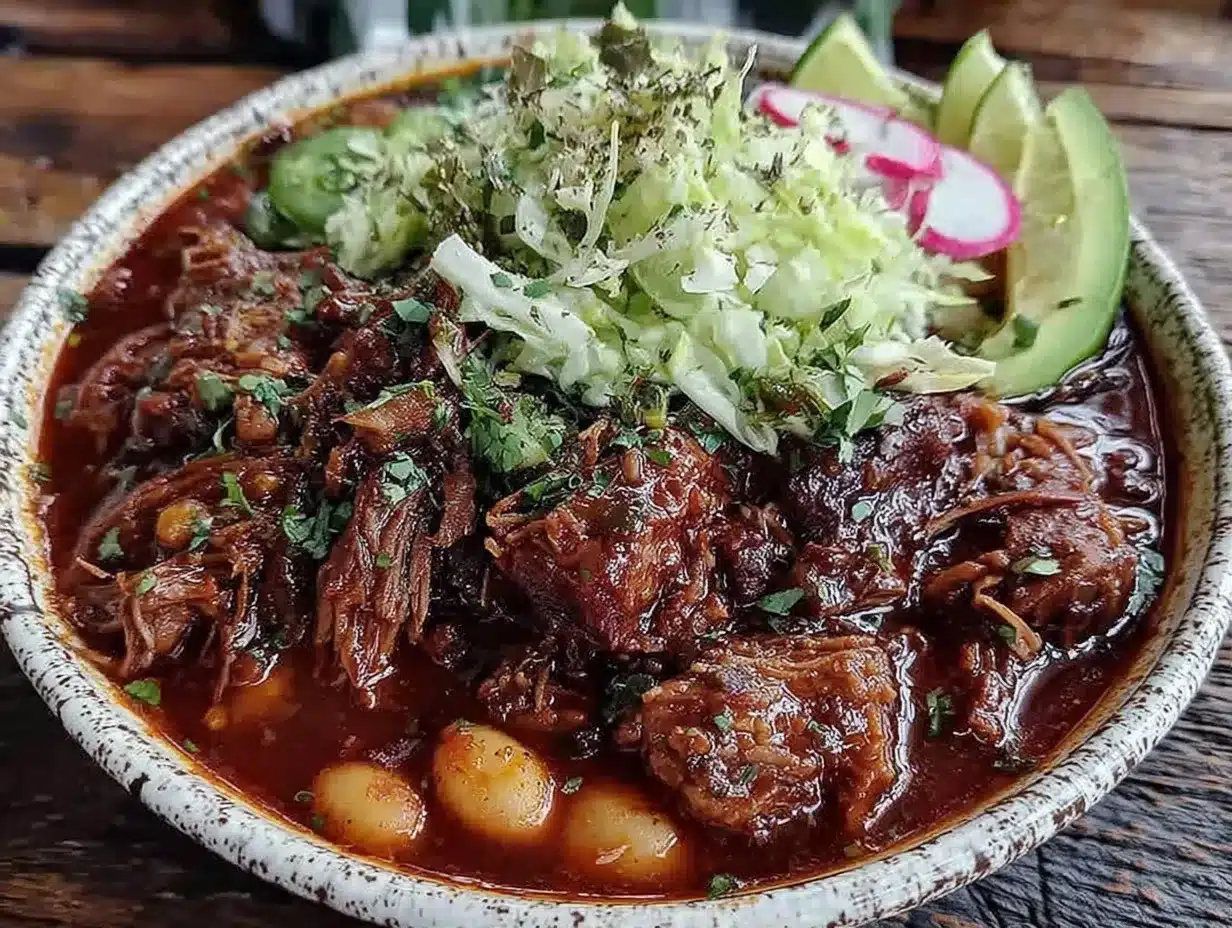
Hominy (2 cans, 15 oz each / 425g each, drained and rinsed) — This is the star. Look for brands like La Morena or Goya. Rinse them thoroughly to remove that metallic can taste. If you want to go traditional, you can use dried nixtamalized corn, but that takes 24 hours of soaking. For meal prep efficiency, canned is the way to go.
Vegetable oil (2 tablespoons / 30ml) — To toast the chili paste. Canola or light olive oil works.
For the Toppings Bar (The Fun Part)
Shredded cabbage (2 cups / 100g) — Green cabbage, finely shredded. It adds crunch.
Radishes (4-5 medium, thinly sliced) — Essential for that peppery bite.
Lime wedges (4 limes) — Fresh lime juice cuts through the richness.
White onion (1 medium, finely diced) — For a sharper onion flavor than the cooking onion.
Tortilla chips (1 bag) — Crushed or whole. For dipping and texture.
Avocado (2 ripe) — Sliced or cubed. Creamy contrast to the spicy broth.
Equipment Needed
You don’t need fancy equipment for this. Here’s what I actually use.
Large Dutch oven or stockpot (6-8 quarts / 5.7-7.5 liters) — I use a 7-quart enamel Dutch oven. It needs to fit 4 pounds of pork plus the liquid. My ancient Le Creuset still works fine, but any heavy-bottomed pot works.
Blender or food processor — To puree the soaked chilies. A high-speed blender like a Vitamix works best, but a standard blender works if you blend in batches.
Mesh strainer — To strain the chili paste if you don’t like seeds. I usually skip this for a heartier texture, but it’s an option.
Slotted spoon — For removing the pork from the broth.
Measuring cups and spoons — Standard stuff. Dollar store versions work fine.
Freezer-safe containers — This is crucial for the “make once, eat four times” strategy. I use glass containers with tight lids. They don’t stain from the red chili oil, unlike plastic.
How to Make It: Step-by-Step
Alright, let’s make this! I’m walking you through exactly how I do it, including the little tricks I’ve picked up over years of meal prepping.
Step 1: Prep the Chilies (10 minutes)
Remove the stems and seeds from the guajillo and ancho chilies. Tear them into large pieces. Place them in a heat-proof bowl and cover with boiling water. Let them soak for 15-20 minutes until soft. This rehydrates them so they blend smoothly. If you skip this, you’ll have chunky, bitter bits in your soup.
Step 2: Boil the Pork (45 minutes)
In your large Dutch oven, combine the pork chunks, quartered onion (with skins), garlic cloves, bay leaves, and 6 cups of water. Bring to a boil over high heat. Once boiling, reduce to a simmer. Skim off any foam or scum that rises to the top for the first 10 minutes. This keeps the broth clear and clean-tasting. Simmer for 45 minutes until the pork is fork-tender. Remove the pork with a slotted spoon and set aside on a plate. Discard the onion skins and bay leaves.
Step 3: Make the Chili Paste (5 minutes)
Drain the soaked chilies, reserving 1 cup of the soaking liquid. Place the chilies, remaining garlic cloves, and 1 cup of vegetable broth (or water) into a blender. Blend on high until completely smooth. You should have a vibrant red, silky paste. If it’s too thick, add a splash more of the reserved chili water. Strain through a mesh sieve if you want a smoother texture, though I leave the seeds in for authenticity.
Step 4: Toast the Paste (5 minutes)
In the same pot (now empty), heat 2 tablespoons of oil over medium heat. Pour in the chili paste. It will splatter, so be careful. Stir constantly for 2-3 minutes. You’ll smell the chilies get nutty and fragrant. This toasting step is non-negotiable—it removes the raw, metallic taste of the dried chilies and deepens the flavor. Don’t burn it; if it turns dark brown, it’s bitter.
Step 5: Simmer the Broth (30 minutes)
Pour the toasted chili paste back into the pot with the pork broth. Add the drained hominy, Mexican oregano, and 2 tablespoons of salt. Stir well. Return the cooked pork to the pot. Simmer on low heat for 30 minutes. This allows the hominy to absorb the chili flavor and the pork to stay tender. Taste the broth. It should be spicy, savory, and rich. Add more salt if needed.
Step 6: Shred the Pork (5 minutes)
Remove the pork from the pot. Let it cool for 5 minutes. Use two forks to shred the meat into bite-sized pieces. Discard any large pieces of fat or gristle. Return the shredded pork to the pot. This ensures every spoonful has meat.
Step 7: Portion and Cool
Let the pozole cool to room temperature. This is important for food safety. Once cool, portion into containers. Leave about an inch of headspace at the top for expansion if freezing. Label with the date.
Expert Tips & Tricks
Here’s everything I’ve learned from making this dozens of times. These tips will save you from my mistakes.
Don’t Rush the Chili Toasting
If you skip toasting the chili paste, the soup will taste flat and slightly metallic. That 5 minutes of stirring is what transforms it into something restaurant-quality. I’ve made the mistake of rushing this, and the flavor was just… okay. Not great.
Rinse the Hominy Thoroughly
Canned hominy comes in a starchy, slightly metallic liquid. Rinse it under cold water until the water runs clear. If you don’t, your soup will taste tinny.
Freeze in Portions
I freeze this in 2-cup portions. That’s one serving. When I’m hungry, I just grab one container and thaw it in the fridge overnight. It reheats perfectly. I also freeze larger 4-cup containers for when I have guests or want a bigger meal.
Adjust Spice Levels
Guajillo chilies are mild, but Anchos can vary. If you want it spicier, add a chopped jalapeño or a dash of cayenne to the blender. If you want it milder, remove more seeds from the chilies. I usually add a little extra chili water at the end for a fresh heat.
Store Toppings Separately
Never freeze the toppings with the soup. The cabbage gets soggy, and the radishes turn limp. Store your toppings in separate bags or containers in the fridge. Add them fresh when you reheat.
Variations & Substitutions
Once you’ve nailed the basic version, here’s how you can mix it up. I’ve tried all of these.
Chicken Pozole
Swap the pork for boneless, skinless chicken thighs. They hold up well in the broth and shred easily. Cooking time is shorter—about 30 minutes for the chicken. This is lighter but still delicious.
Vegetarian Pozole
Omit the pork. Use vegetable broth instead of water. Add 1 cup of diced mushrooms and 1 cup of diced potatoes to the broth for heartiness. The hominy and chili broth are the stars, so it still tastes like pozole.
Spicy Version
Add 2 chopped chipotle peppers in adobo sauce to the blender with the chilies. This adds a smoky, spicy kick that’s incredible. I make this version for myself; my family prefers it mild.
Quick Version
Use a pressure cooker. Sauté the chili paste, add pork, water, and hominy. Cook on high pressure for 25 minutes. Release naturally. This cuts the active time in half, though the flavor depth is slightly less than the slow simmer.
Serving & Storage
How to Serve:
I usually serve this straight from the skillet at the dinner table—it looks rustic and stays warm. But here are other ways I’ve enjoyed it:
- Side Dishes: My no yeast garlic herb skillet flatbread is perfect for dipping. Also, a simple green salad with lime vinaigrette cuts the richness.
- Toppings Bar: When I have guests, I put out: shredded cabbage, sliced radishes, diced white onion, lime wedges, crushed tortilla chips, and sliced avocado. Everyone customizes their bowl.
Storage Instructions:
Refrigerator:
Store in an airtight container for up to 4 days. The flavors meld and get better. I usually eat my fresh portion within 3 days.
Freezing:
This freezes beautifully for up to 3 months. Use freezer-safe bags or containers. Lay bags flat to save space. Thaw in the fridge overnight before reheating.
Reheating:
Best method: Add to a saucepan over medium-low heat. Stir occasionally until heated through. If it’s too thick, add a splash of water or broth. The hominy expands, so the soup will be thicker when reheated.
Nutrition Information
I’m not a nutritionist, but here’s the breakdown if you’re tracking. Note that this varies based on toppings and pork fat content.
Per Serving (based on 8 servings, without toppings):
- Calories: 380
- Protein: 28g
- Carbs: 35g
- Fiber: 8g
- Sugar: 2g
- Fat: 14g
- Sodium: 650mg
What’s Good: High protein from pork, high fiber from hominy and toppings. It’s a balanced, hearty meal.
What to Know: Higher in sodium due to salt and broth. Use low-sodium broth and reduce added salt if needed. Contains gluten-free ingredients naturally.
Final Thoughts
So that’s my go-to Mexican Independence Day Pozole Rojo! I’ve probably talked your ear off at this point, but when you make a recipe this often, you have a lot to say about it.
This has saved weeknight dinners more times than I can count. It’s my answer to “what’s for dinner” when I’m tired, don’t want takeout, and still want something that tastes really good. My kids are happy, my husband’s happy, and I’m happy because I’m not stressed about cooking. Plus, knowing I have four more meals in the freezer is a huge mental load off.
Make it yours! Try different add-ins, swap in your favorite vegetables, adjust the garlic (though more is always better in my opinion). The best recipes are the ones you adapt to your family’s tastes.
If you make this, drop a comment and let me know what you think! I love hearing how recipes turn out in your kitchen. And if something doesn’t work, tell me that too—I’m here to help troubleshoot.
Happy cooking! And I hope your kitchen smells half as good as mine does right now.
Frequently Asked Questions
Q: Can I use fresh chilies instead of dried?
A: You can, but the flavor will be different. Fresh chilies like poblanos or jalapeños are milder and wetter. You’d need to roast and peel them, then blend them with some water. It works, but dried chilies give that authentic, concentrated pozole flavor. I recommend sticking with dried for the best results.
Q: Why did my pozole turn out watery?
A: Usually means you added too much water or didn’t simmer long enough. The hominy absorbs liquid, but if you start with too much, it stays thin. Simmer uncovered for the last 30 minutes to reduce the broth. Also, the pork releases water as it cooks, so account for that.
Q: Can I make this ahead for a dinner party?
A: Absolutely! In fact, it’s better made ahead. Make the soup up to 2 days ahead and store in the fridge. Reheat gently and serve with fresh toppings. It saves you stress during the party. I do this all the time for holidays.
Q: Can I freeze the toppings?
A: No. Cabbage, radishes, and avocado will get soggy and discolored. Store them separately in the fridge and add them fresh when you serve. This keeps the texture crisp and bright.
Q: How do I reheat leftovers without it getting dry?
A: Add a splash of water or broth to the pot when reheating. Stir frequently over low heat. The hominy expands, so the soup will be thicker when reheated. The extra liquid brings back the creamy texture.
Q: Can I double this recipe?
A: Yes! Just use a larger pot. Make sure you have enough space for the pork and liquid to simmer. I usually double it on the weekends and freeze half for later. It’s the most efficient use of my time.
Pin This Recipe!

Mexican Independence Day Pozole Rojo
- Total Time: 100 minutes
- Yield: 8-10 servings 1x
Description
A hearty, traditional Mexican red pozole soup featuring fall-apart tender pork, hominy, and a rich dried chili broth. Designed for meal prep, this recipe allows you to make one large batch and enjoy it for four different dinners throughout the week.
Ingredients
- 3–4 pounds pork shoulder (butt), cut into 3-inch chunks
- 10–12 dried Guajillo chilies, stems and seeds removed
- 6–8 dried Ancho chilies, stems and seeds removed
- 8 cloves garlic, peeled
- 1 large yellow onion, quartered (skins on)
- 2 large bay leaves
- 1 teaspoon dried Mexican oregano
- 2 tablespoons kosher salt, plus more to taste
- 2 cans (15 oz each) hominy, drained and rinsed
- 2 tablespoons vegetable oil
- 6 cups water (for boiling pork)
- 1 cup reserved chili soaking liquid
- 1 cup vegetable broth or water (for blending)
Instructions
- Prep the chilies: Remove stems and seeds from Guajillo and Ancho chilies. Tear into pieces and soak in boiling water for 15-20 minutes until soft.
- Boil the pork: In a large Dutch oven, combine pork chunks, quartered onion (with skins), garlic cloves, bay leaves, and 6 cups of water. Bring to a boil, then reduce to a simmer. Skim off foam for 10 minutes. Simmer for 45 minutes until pork is fork-tender. Remove pork and set aside; discard onion skins and bay leaves.
- Make the chili paste: Drain chilies, reserving 1 cup of soaking liquid. Blend chilies, remaining garlic, and 1 cup of vegetable broth/water until smooth. Strain if desired.
- Toast the paste: Heat vegetable oil in the empty pot over medium heat. Add chili paste and stir constantly for 2-3 minutes until fragrant and nutty. Do not burn.
- Simmer the broth: Pour toasted chili paste back into the pot with the pork broth. Add hominy, Mexican oregano, and 2 tablespoons of salt. Return cooked pork to the pot. Simmer on low for 30 minutes.
- Shred the pork: Remove pork, let cool for 5 minutes, then shred into bite-sized pieces using two forks. Discard fat/gristle. Return shredded pork to the pot.
- Portion and cool: Let pozole cool to room temperature. Portion into containers, leaving headspace for freezing if applicable.
Notes
The recipe is designed for meal prepping, yielding enough for four dinners. Toppings (cabbage, radishes, lime, avocado, tortilla chips) should be stored separately and added fresh upon serving. The soup freezes well for up to three months. For a vegetarian version, omit pork and use vegetable broth with added mushrooms and potatoes.
- Prep Time: 10 minutes
- Cook Time: 90 minutes
- Category: Main Course
- Cuisine: Mexican
Nutrition
- Serving Size: 1 bowl with toppings
- Calories: 380
- Sugar: 2
- Sodium: 650
- Fat: 14
- Carbohydrates: 35
- Fiber: 8
- Protein: 28
Keywords: pozole rojo, Mexican soup, meal prep, pork stew, hominy, holiday recipe, make once eat 4x, traditional pozole