Let me tell you about the last time I ordered Chinese delivery. It was 8:30 PM on a Tuesday, I was exhausted, and I just wanted something crunchy, flavorful, and not heavy. I clicked on the app, added the chicken lettuce wrap and the egg drop soup (yes, I know, it’s a tragedy), and waited for the ride-share driver. Thirty minutes later, I got my food. It was lukewarm. The “crunchy” chicken salad had turned soggy in the plastic container. The sauce was too sweet, the vegetables were wilted, and honestly? It tasted like regret.
I threw the rest in the trash and stared at my empty fridge, wondering why I pay $25 for lukewarm food that makes me feel sluggish.
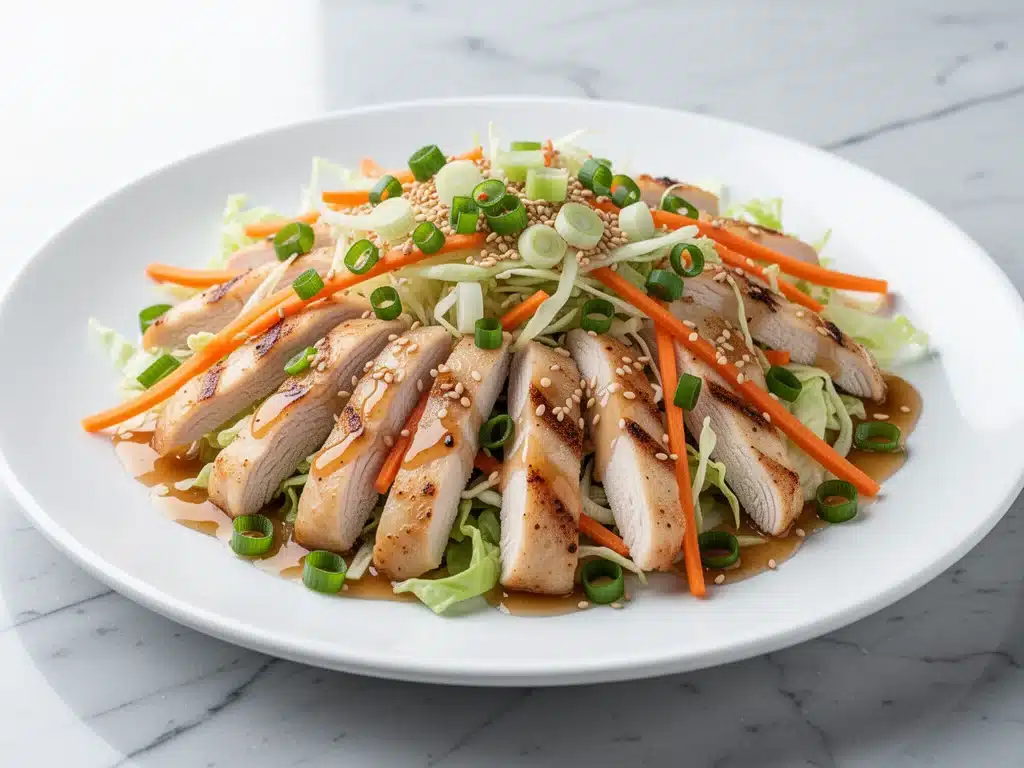
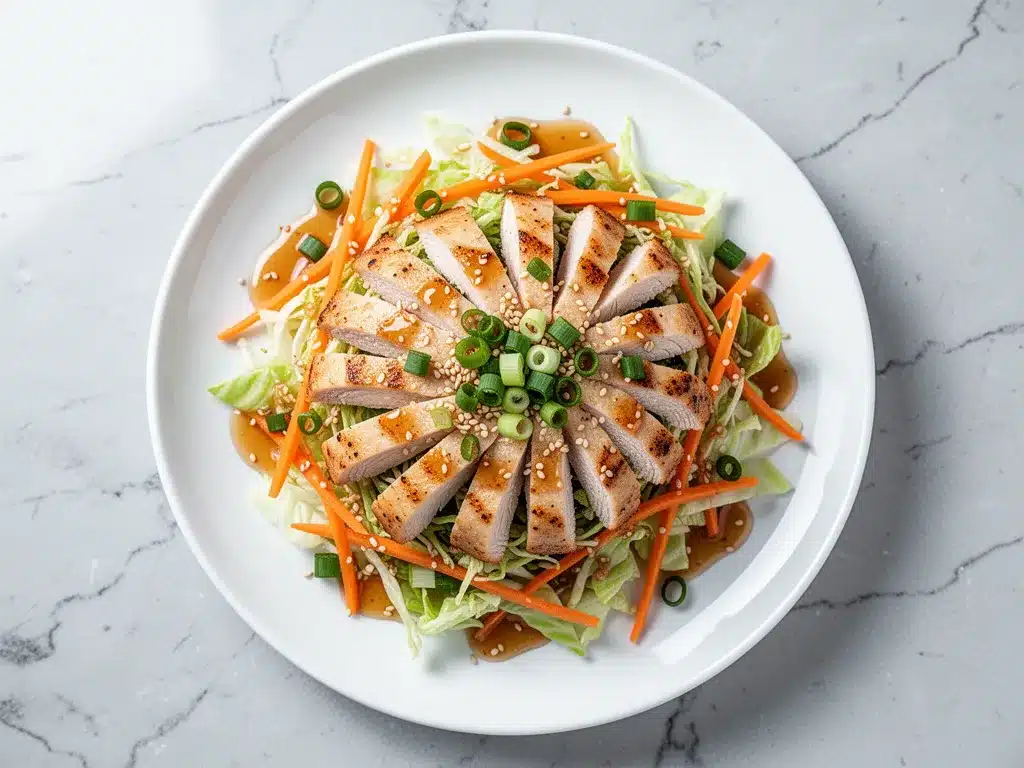
That night, I decided to cook something instead. I didn’t have time for a complex roast or a slow-simmered stew. I needed speed. I needed flavor. I needed crunch. So I grabbed some rotisserie chicken, raided the crisper drawer for whatever was left, and whipped up a Crunchy Asian Chicken Salad with Sesame Ginger Dressing. I threw it together in 15 minutes. The smell of toasted sesame oil and fresh ginger filled the kitchen. The first bite? Absolute magic. The crunch of the cabbage, the snap of the carrots, the tender chicken, and that dressing that tied it all together with a perfect balance of salty, sweet, and spicy.
I ate the entire bowl standing over the sink. No regrets. No food coma. Just pure satisfaction.
Since that night, I’ve made this salad at least a dozen times. It’s become my secret weapon for busy weeknights, my go-to lunch for meal prep, and the dish I bring to potlucks when I want to impress people without spending hours in the kitchen. And the best part? It’s genuinely better than takeout. The vegetables stay crisp, the chicken stays juicy, and the dressing is fresh, not cloying.
If you’re tired of soggy delivery salads, you need to try this. It’s light, it’s vibrant, and it’s incredibly easy. Let’s get cooking.
Why You’ll Love This Crunchy Asian Chicken Salad
This isn’t just another green salad with some chicken tossed on top. This is a flavor explosion. Here’s why this recipe has taken over my weekly dinner rotation:
- Lightning Fast — Seriously, if you have a rotisserie chicken or leftover grilled chicken, this salad comes together in 15 minutes. That’s it. I’ve made this after coming home from work at 7 PM, and it’s on the table before I can even change out of my work clothes.
- Perfect Texture — The secret is in the prep. Shredding the cabbage instead of chopping it creates more surface area for the dressing to cling to, and keeping the vegetables raw keeps that addictive crunch. It’s not limp. It’s not watery. It’s crisp.
- Dress It Your Way — The sesame ginger dressing is the star. It’s tangy, nutty, slightly sweet, and has a gentle kick of heat. You can adjust the sriracha to your liking. I like it spicy, but my husband likes it mild. Both versions are delicious.
- Meal Prep Friendly — This salad keeps well in the fridge for up to 3 days. The flavors actually get better as they marinate. I make a big batch on Sunday, pack it in containers, and have healthy, satisfying lunches all week long. It doesn’t get soggy if you store the dressing separately.
- Customizable — Hate cilantro? Swap it for mint or basil. Want more protein? Add hard-boiled eggs or edamame. Need it vegetarian? Skip the chicken and add tofu or chickpeas. This recipe is a canvas for your favorite flavors.
- Lighter Than Takeout — No heavy frying, no greasy sauces, no MSG overload. Just fresh, whole ingredients. It’s the kind of meal that leaves you feeling energized, not sluggish.
This salad is my answer to “what’s for dinner?” when I want something healthy but don’t want to sacrifice flavor. It’s vibrant, it’s satisfying, and it’s ridiculously easy. Trust me, once you make this, you’ll forget about takeout entirely.
Ingredients You’ll Need
Here’s the best part: most of these ingredients are probably already in your pantry or fridge. This recipe relies on fresh, simple flavors that come together quickly. I’m particular about a few things here, and I’ll tell you exactly why.
For the Salad Base
Rotisserie Chicken (2 cups, shredded / about 300g) — I use rotisserie chicken for speed and flavor. It’s juicy and already seasoned. You can also use grilled chicken breast or even canned chicken (though I prefer fresh). Shred it into bite-sized pieces.
Green Cabbage (1/2 medium head / about 200g) — This is the crunch factor. Green cabbage holds up better than red cabbage in this salad. Shred it thinly. Don’t skip this step; the texture is everything.
Red Cabbage (1/4 medium head / about 100g) — Adds color and a slightly different texture. It’s optional, but I love the visual contrast. It also adds a nice mild crunch.
Carrots (2 medium, julienned or grated / about 150g) — For sweetness and crunch. I use a julienne peeler for perfect matchsticks, but grating works too. Don’t overdo it; you want them to be a accent, not the main event.
Cucumber (1 English cucumber, diced / about 150g) — Adds freshness and hydration. English cucumbers are best because they have fewer seeds and less water. If you use regular cucumbers, scoop out the seeds first.
Cilantro (1/2 cup, chopped / about 30g) — Fresh cilantro is non-negotiable for me. It adds a bright, herbal note that cuts through the richness of the sesame oil. If you hate cilantro, use mint or basil instead.
Green Onions (3 stalks, thinly sliced / about 50g) — For oniony bite and color. Use both the white and green parts.
Crunchy Toppings (1/2 cup total) — I use a mix of roasted peanuts, sesame seeds, or crispy wonton strips. Peanuts add richness, sesame seeds add nuttiness, and wonton strips add extra crunch. Pick your favorite or use all three.
For the Sesame Ginger Dressing
Soy Sauce (3 tablespoons / 45ml) — I use low-sodium soy sauce to control the saltiness. Regular soy sauce works too, but you might want to reduce the amount slightly. Tamari is a great gluten-free option.
Rice Vinegar (2 tablespoons / 30ml) — Essential for that tangy Asian flavor. Do not use distilled white vinegar or apple cider vinegar; they taste completely different. Look for unseasoned rice vinegar.
Sesame Oil (1 tablespoon / 15ml) — Toasted sesame oil is strong and aromatic. Use the real deal, not the neutral kind. A little goes a long way.
Fresh Ginger (1 tablespoon, grated / about 15g) — Fresh ginger is key. Grate it on the small holes of a box grater. Pre-grated ginger in a jar doesn’t have the same brightness.
Fresh Garlic (2 cloves, minced / about 6g) — Again, fresh only. Jarred garlic has a metallic taste that doesn’t work here.
Honey (1 tablespoon / 21g) — Balances the salt and acid. You can use maple syrup for a vegan option.
Sriracha (1-2 teaspoons, to taste) — For heat. Start with 1 teaspoon if you’re sensitive to spice. Adjust to your preference.
Vegetable Oil (1 tablespoon / 15ml) — Neutral oil to emulsify the dressing. Canola or grapeseed oil works well.
Equipment Needed
You don’t need fancy equipment for this. Here’s what I actually use:
Large Mixing Bowl — I use a 6-quart bowl. It needs to be big enough to toss all the vegetables and chicken without making a mess.
Small Bowl or Jar — For whisking the dressing. A mason jar with a lid is perfect; just shake it up.
Sharp Knife — For slicing the green onions and dicing the cucumber. A dull knife makes this process painful.
Peeler or Mandoline — For julienning the carrots. A mandoline is faster but requires caution. A peeler works fine too.
Box Grater — For the fresh ginger. The small holes grate it perfectly.
Whisk — For emulsifying the dressing. A fork works in a pinch.
Colander — If you wash the vegetables, you’ll need this to drain them.
Optional: A food processor with a shredding disk can speed up the cabbage prep, but hand-shredding gives you more control over the texture.
How to Make It: Step-by-Step
Alright, let’s make this! I’m walking you through exactly how I do it, including the little tricks I’ve picked up.
Step 1: Prep Your Vegetables (10 minutes)
Start by shredding the green and red cabbage. Remove the core and slice the cabbage thinly. I like to use a sharp knife, but a food processor works if you’re in a hurry. Place the shredded cabbage in a large bowl.
Julienne the carrots. I use a peeler to create long, thin strips. If you don’t have a peeler, grate them on the large holes of a box grater.
Dice the cucumber. I like to dice it into small, bite-sized pieces. If you’re using a regular cucumber, scoop out the seeds first to prevent sogginess.
Chop the cilantro and slice the green onions. Set them aside.
Step 2: Shred the Chicken (2 minutes)
If you’re using a rotisserie chicken, pull the meat off the bones and shred it with two forks. Tear it into bite-sized pieces. If you’re using cooked chicken breast, dice it or shred it as well. You want about 2 cups of chicken.
Add the chicken to the bowl with the vegetables.
Step 3: Make the Dressing (3 minutes)
In a small bowl or jar, combine the soy sauce, rice vinegar, sesame oil, grated ginger, minced garlic, honey, sriracha, and vegetable oil.
Whisk vigorously or shake the jar until the honey is dissolved and the dressing is emulsified. Taste and adjust. Want it sweeter? Add a bit more honey. Want it spicier? Add more sriracha. Want it tangier? Add more rice vinegar.
Step 4: Toss the Salad (2 minutes)
Drizzle about 3/4 of the dressing over the salad. Toss everything together gently but thoroughly. You want every piece of cabbage and carrot coated in the dressing.
Add the cilantro and green onions. Toss again.
Taste and add more dressing if needed. I usually use the whole batch, but it depends on how much dressing you like.
Step 5: Add the Crunch (1 minute)
Sprinkle the crunchy toppings over the top. I use roasted peanuts and sesame seeds. Toss lightly to distribute them.
Step 6: Serve Immediately
Serve the salad right away while the vegetables are crisp. Garnish with extra sesame seeds or sliced green onions if you like.
Total Time: About 15 minutes (10 minutes prep, 5 minutes assembly)
Expert Tips & Tricks
Here’s everything I’ve learned from making this salad dozens of times. These tips will save you from my mistakes.
Don’t Dress It Too Early
If you’re meal prepping, store the dressing separately. The salt in the soy sauce will draw moisture out of the cabbage if you dress it too far in advance. Keep the salad and dressing apart until you’re ready to eat. This keeps the crunch intact.
Shred, Don’t Chop
Shredding the cabbage creates more surface area for the dressing to cling to. It also makes the salad easier to eat with a fork. Chopped cabbage is chunky and doesn’t mix as well with the other ingredients.
Use Fresh Ginger
Pre-grated ginger in a jar has a different flavor profile. It’s often pickled or preserved, which changes the taste. Fresh ginger adds a bright, spicy kick that’s essential for this dressing. Grate it right before you use it.
Toast Your Sesame Seeds
If you’re using sesame seeds, toast them in a dry pan for 2-3 minutes until they’re golden and fragrant. This enhances their nutty flavor and adds extra aroma to the salad.
Balance the Flavors
The key to a great Asian dressing is balance. It should be salty, sweet, tangy, and spicy. If it tastes too salty, add more honey or rice vinegar. If it’s too sweet, add more soy sauce or sriracha. Taste and adjust.
Common Mistakes
Mistake: Salad is too soggy. Fix: Don’t dress it too early. Also, make sure your vegetables are dry after washing. Excess water dilutes the dressing.
Mistake: Dressing is too thin. Fix: Add more sesame oil or honey to thicken it. Or let it sit for a few minutes to emulsify.
Mistake: Salad is bland. Fix: You probably didn’t use enough seasoning. Taste the dressing before adding it to the salad. It should taste slightly stronger than you want the final salad to taste.
Variations & Substitutions
Once you’ve nailed the basic version, here’s how you can mix it up. I’ve tried all of these.
Vegetarian Version
Skip the chicken and add 1 cup of crispy tofu or edamame. Marinate the tofu in a little soy sauce and sesame oil before baking it until crispy. It adds a nice protein boost.
Spicy Version
Add an extra teaspoon of sriracha or a dash of chili crisp. You can also add sliced jalapeños for fresh heat. I like to add a pinch of five-spice powder for depth.
Noodle Version
Add cooked soba noodles or rice noodles to the salad. This makes it more filling and turns it into a noodle salad. Toss the noodles with the dressing before adding the vegetables.
Fruit Twist
Add sliced mango or pineapple for a sweet and tropical twist. The fruit pairs beautifully with the ginger and sesame flavors. This is especially good in the summer.
Dietary Modifications
Gluten-Free: Use tamari instead of soy sauce. Check your sriracha label to ensure it’s gluten-free (most are).
Dairy-Free: This recipe is naturally dairy-free.
Low-Sodium: Use low-sodium soy sauce and reduce the amount slightly. You can also rinse the canned chicken if you’re using that.
Vegan: Skip the honey and use maple syrup. Use tofu or chickpeas instead of chicken.
Serving & Storage
How to Serve:
I usually serve this salad in large bowls, topped with extra crunchy toppings. It’s great as a main dish with a side of steamed rice or as a side dish with grilled meats. I also love it with roasted chicken for a complete meal.
Side Dishes:
- Steamed jasmine rice
- Steamed broccoli or bok choy
- Hot and sour soup
- Spring rolls
Storage Instructions:
Refrigerator: Store the salad (without dressing) in an airtight container for up to 3 days. Store the dressing in a separate jar. The vegetables will stay crisp for 2-3 days.
Reheating: This salad is best served cold or at room temperature. Do not reheat it.
Freezing: Do not freeze this salad. The vegetables will become mushy when thawed.
Meal Prep: This is perfect for meal prep. Pack the salad and dressing in separate containers. Toss them together right before eating. It’s a healthy, satisfying lunch that doesn’t get boring.
Nutrition Information
I’m not a nutritionist, but here’s the breakdown if you’re tracking. This is per serving based on 4 servings.
- Calories: 320
- Protein: 25g
- Carbs: 20g
- Fiber: 4g
- Sugar: 10g
- Fat: 15g
- Saturated Fat: 2g
- Cholesterol: 60mg
- Sodium: 650mg
What’s Good:
- High in protein from the chicken
- Rich in vitamins and minerals from the vegetables
- Good source of fiber
What to Know:
- Higher in sodium from the soy sauce
- Contains gluten (unless using tamari)
- Contains sesame (if using sesame seeds)
My Take:
Look, this is a healthy, light meal. It’s not a diet recipe, but it’s definitely lighter than takeout. The veggies provide bulk and nutrients, and the chicken provides protein. When I want to make it lighter, I use less oil in the dressing and add more vegetables. But usually? I just enjoy it as is. It’s delicious and satisfying.
Final Thoughts
So that’s my go-to Crunchy Asian Chicken Salad with Sesame Ginger Dressing! I’ve probably talked your ear off at this point, but when you make a recipe this often, you have a lot to say about it.
This salad has saved my weeknight dinners more times than I can count. It’s my answer to “what’s for dinner?” when I’m tired, don’t want takeout, and still want something that tastes really good. My kids are happy, my husband’s happy, and I’m happy because I’m not stressed about cooking.
Make it yours! Try different add-ins, swap in your favorite vegetables, adjust the spice level. The best recipes are the ones you adapt to your family’s tastes. If you make this, drop a comment and let me know what you think! I love hearing how recipes turn out in your kitchen. And if something doesn’t work, tell me that too—I’m here to help troubleshoot.
Happy cooking! And I hope your kitchen smells half as good as mine does right now.
Frequently Asked Questions
Can I use pre-shredded cabbage?
You can, but I recommend shredding it yourself. Pre-shredded cabbage is often older and has a different texture. Freshly shredded cabbage is crisper and tastes better. If you’re short on time, pre-shredded works, but the texture won’t be quite as good.
Why did my salad get soggy?
Usually, this happens because the dressing was added too far in advance. The salt in the soy sauce draws moisture out of the cabbage. If you’re meal prepping, store the dressing separately and toss it right before eating. Also, make sure your vegetables are dry after washing.
Can I make the dressing ahead of time?
Yes! The dressing can be made up to 1 week ahead. Store it in an airtight jar in the fridge. Shake it well before using, as the sesame oil may separate. The flavors will meld and improve over time.
What kind of chicken should I use?
I prefer rotisserie chicken for its flavor and convenience. You can also use grilled chicken breast, poached chicken, or even canned chicken. Just make sure it’s shredded or diced into bite-sized pieces.
Can I substitute the cilantro?
Absolutely. If you hate cilantro, use mint, basil, or parsley. Mint adds a fresh, sweet note, while basil adds a sweet, aromatic flavor. Parsley is more neutral but still adds freshness.
Is this salad gluten-free?
Not by default, because soy sauce contains wheat. To make it gluten-free, use tamari (a gluten-free soy sauce) or coconut aminos. Check your sriracha label to ensure it’s gluten-free as well.
How long does this salad last in the fridge?
The salad (without dressing) lasts for up to 3 days in the fridge. The vegetables will stay crisp for 2-3 days. After that, they may start to soften. The dressing lasts for up to 1 week.
Pin This Recipe!
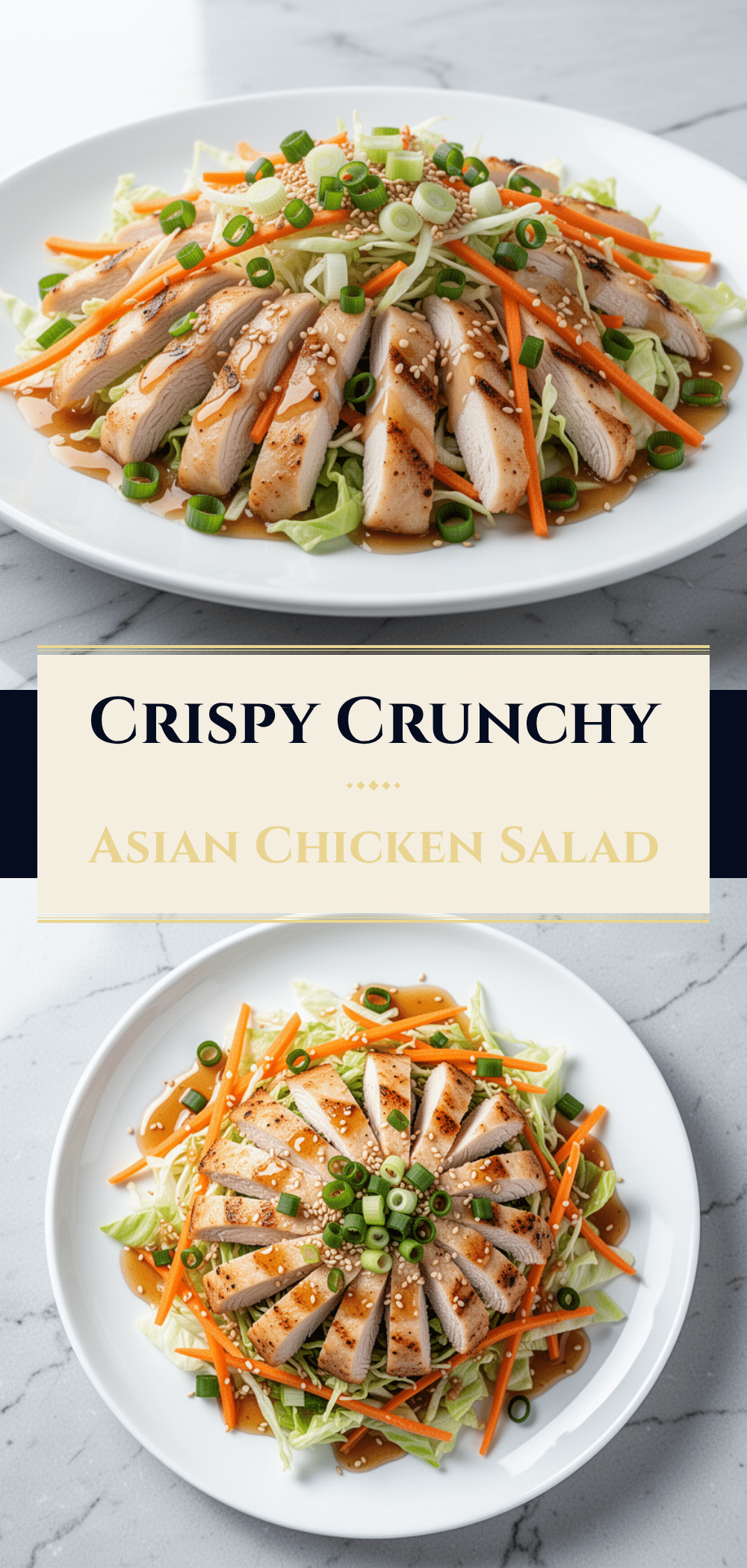
Crunchy Asian Chicken Salad with Sesame Ginger Dressing
- Total Time: 15 minutes
- Yield: 4 servings 1x
Description
A lightning-fast, healthier alternative to takeout, this salad features shredded rotisserie chicken, crisp raw vegetables, and a tangy sesame-ginger dressing. It comes together in just 15 minutes and is perfect for busy weeknights or meal prep.
Ingredients
- 2 cups shredded rotisserie chicken (about 300g)
- 1/2 medium head green cabbage, shredded (about 200g)
- 1/4 medium head red cabbage, shredded (about 100g)
- 2 medium carrots, julienned or grated (about 150g)
- 1 English cucumber, diced (about 150g)
- 1/2 cup fresh cilantro, chopped (about 30g)
- 3 stalks green onions, thinly sliced (about 50g)
- 1/2 cup crunchy toppings (roasted peanuts, sesame seeds, or crispy wonton strips)
- 3 tablespoons low-sodium soy sauce
- 2 tablespoons unseasoned rice vinegar
- 1 tablespoon toasted sesame oil
- 1 tablespoon fresh ginger, grated (about 15g)
- 2 cloves fresh garlic, minced (about 6g)
- 1 tablespoon honey
- 1–2 teaspoons sriracha, to taste
- 1 tablespoon vegetable oil (neutral oil like canola or grapeseed)
Instructions
- Prep the vegetables: Shred the green and red cabbage thinly. Julienne the carrots. Dice the cucumber (scoop out seeds if using regular cucumber). Chop cilantro and slice green onions.
- Shred the chicken: Pull meat from rotisserie chicken bones and shred into bite-sized pieces using two forks. Add to the large bowl with the vegetables.
- Make the dressing: In a small bowl or jar, combine soy sauce, rice vinegar, sesame oil, grated ginger, minced garlic, honey, sriracha, and vegetable oil. Whisk vigorously or shake until emulsified and honey is dissolved. Taste and adjust seasoning.
- Toss the salad: Drizzle about 3/4 of the dressing over the chicken and vegetables. Toss gently but thoroughly to coat. Add cilantro and green onions, then toss again. Add more dressing if desired.
- Add crunch: Sprinkle crunchy toppings (peanuts, sesame seeds, or wonton strips) over the top and toss lightly to distribute.
- Serve immediately: Serve right away while vegetables are crisp. Garnish with extra sesame seeds or green onions if desired.
Notes
For meal prep, store the dressing separately to keep the salad crisp. The salad keeps well in the fridge for up to 3 days without dressing. Do not freeze this salad as vegetables will become mushy. Toast sesame seeds in a dry pan for enhanced flavor. Use fresh ginger and garlic for best results.
- Prep Time: 10 minutes
- Cook Time: 0 minutes
- Category: Main Course
- Cuisine: Asian
Nutrition
- Serving Size: 1 bowl
- Calories: 320
- Sugar: 10
- Sodium: 650
- Fat: 15
- Saturated Fat: 2
- Carbohydrates: 20
- Fiber: 4
- Protein: 25
Keywords: Asian chicken salad, sesame ginger dressing, rotisserie chicken salad, healthy lunch, meal prep, quick dinner, gluten-free option, vegetarian option