Last summer, I was stranded in a small coastal town in Thailand, completely broke and slightly desperate. My credit card had been declined at a fancy resort restaurant, and I was left with exactly one choice: eat at a street-side stall or starve. I chose the stall. It was hot, humid, and smelled intensely of lemongrass, chilies, and—surprisingly—sweet coconut milk. I ordered a dessert that looked like a trembling jewel on a banana leaf. It was panna cotta, but not the heavy, dairy-laden version I knew from Italian restaurants back home. This was light, airy, and infused with fresh mango.
I remember sitting on a plastic stool, eating it with a spoon, feeling like I’d discovered a secret that the rest of the world didn’t know. It was dairy-free, naturally sweet, and incredibly elegant. Fast forward a few months, and I’ve recreated that moment in my own kitchen dozens of times. The best part? You don’t need to fly to Thailand to get that experience. You just need a few simple ingredients and five minutes of active time.
This dairy-free coconut mango panna cotta has become my go-to dessert when I want to impress guests without spending hours in the kitchen. It’s the kind of dish that looks like it came from a high-end patisserie but actually requires zero special skills. I’ve tested this recipe with different brands of coconut milk, different types of mangoes, and even tried substituting the sweetener, and this specific combination is the winner. It’s creamy, it’s tangy, it’s refreshing, and it’s completely free of dairy. If you’re looking for a dessert that feels luxurious but plays nice with dietary restrictions, this is it. Seriously, it’s that good.
Why You’ll Love This Recipe
There are a lot of “easy” dessert recipes out there, but this one is different. It’s not just easy; it’s stress-free. I’ve made this for dinner parties where I was running late, for last-minute requests when friends showed up unannounced, and even for my kids’ school bake sales. Here’s why it keeps coming back to my regular rotation:
- Zero Cooking Stress — Okay, technically you heat the coconut milk, but it’s not like you’re tempering eggs or watching a delicate custard. You mix, you heat, you pour. It’s foolproof. I’ve made this while multitasking with laundry and homework, and it never fails.
- Make-Ahead Magic — This is the ultimate hostess hack. You can make this two days in advance. In fact, it’s better the next day because the flavors have time to meld. I usually whip it up on Sunday for Friday night dinner. No stress, no last-minute panic.
- Gluten-Free and Dairy-Free Friendly — So many elegant desserts are off-limits for people with allergies. This one isn’t. It’s naturally free of gluten and dairy, making it safe for almost everyone at the table. My lactose-intolerant brother-in-law actually asked for the recipe.
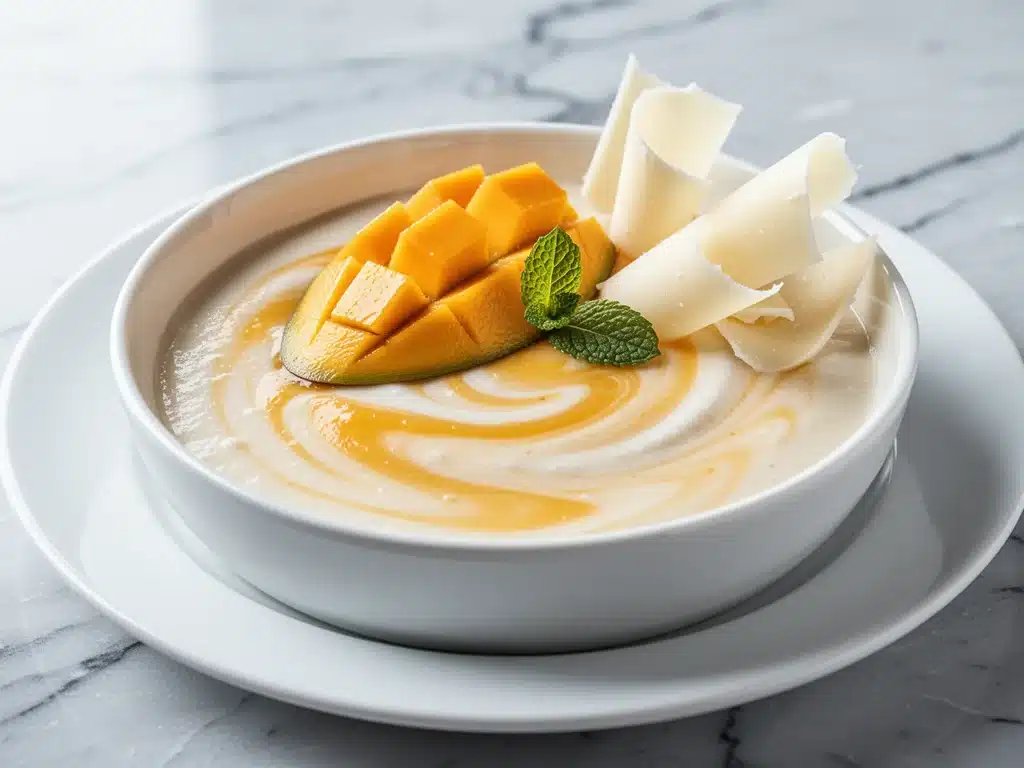
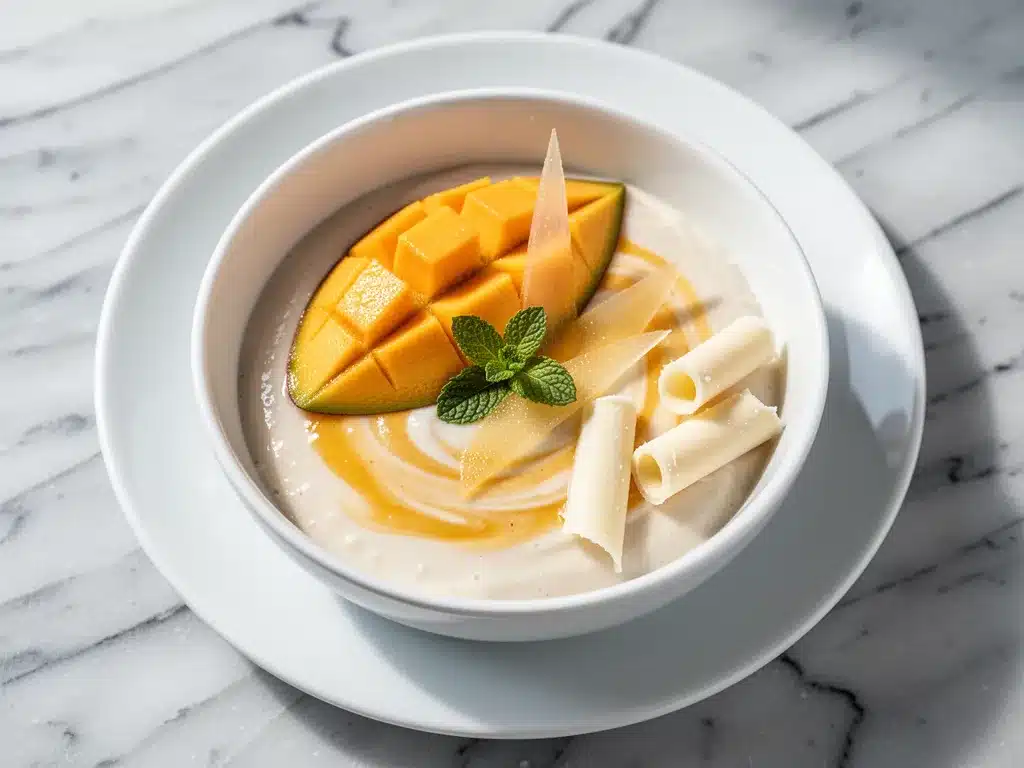
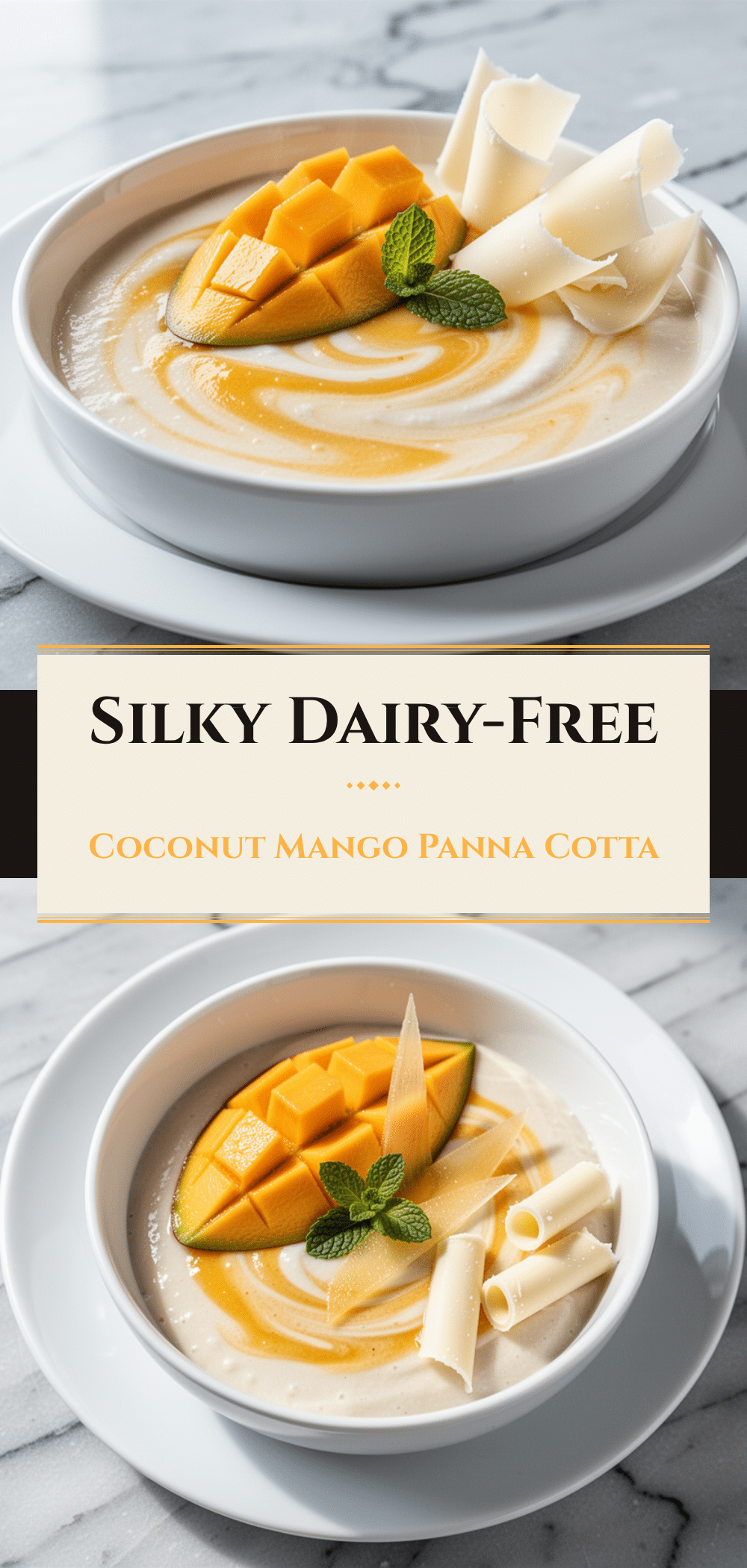
- Restaurant-Quality Look — When you unmold these (or just serve them in pretty glasses), they look sophisticated. The bright orange mango contrasts beautifully with the white cream. It looks like you spent hours, but you spent five minutes.
- Light and Refreshing — After a heavy meal, a rich chocolate cake can feel like too much. This dessert is light on the stomach. The acidity of the mango cuts through the richness of the coconut, leaving you feeling satisfied but not sluggish.
Real talk? I used to think making panna cotta was intimidating. I thought I needed gelatin sheets or some fancy French technique. But this version? It’s simple, forgiving, and absolutely delicious. It’s the kind of dessert that makes people ask, “Wait, you made this? How?” and you get to say, “It took five minutes.”
Ingredients You’ll Need
Here’s the best part: you probably have most of this already. The beauty of this recipe is its simplicity. You don’t need a pantry full of obscure flours or exotic spices. Just a few high-quality ingredients that do the heavy lifting.
For the Panna Cotta Base
Full-Fat Coconut Milk (2 cans / 400ml each) — This is non-negotiable. Do not use the carton stuff meant for drinking cereal. You need the thick, canned variety found in the Asian aisle or near the dairy alternatives. Look for brands with no added gums if possible, but standard brands work fine. The fat content is what gives you that creamy texture.
Agave Nectar (1/2 cup / 120ml) — I prefer agave because it dissolves easily in cold liquids and has a neutral flavor. Maple syrup works too, but it will change the color and taste slightly. Honey is another option, but it can crystallize when chilled. Agave keeps it smooth.
Lemon Juice (1 tablespoon / 15ml) — Fresh squeezed only. This is crucial. The acid helps “cook” the coconut milk slightly (think ceviche) and balances the sweetness. It also helps the panna cotta set a bit firmer. Don’t skip it.
Vanilla Extract (1 teaspoon / 5ml) — Use pure vanilla extract, not imitation. A little bit goes a long way. If you have vanilla bean paste, even better, but extract is fine.
Unflavored Gelatin Powder (2 packets / 14g) — I use Knox or similar unflavored gelatin. It’s the easiest way to get that jiggly texture without boiling water baths. Make sure it’s unflavored!
Warm Water (1/4 cup / 60ml) — Just enough to bloom the gelatin. Not boiling, just warm to the touch.
For the Mango Topping
Ripe Mangoes (2 large / about 400g flesh) — This is where you want quality. Look for Ataulfo (Honey) mangoes or Alphonso if you can find them. They’re less fibrous and sweeter. If you can’t find ripe mangoes, high-quality frozen mango chunks work too, just thaw them first.
Lime Juice (1 teaspoon / 5ml) — Brightens up the mango puree. Adds a nice zing.
Agave Nectar (1-2 tablespoons / 15-30ml) — Taste the mango first. If it’s super sweet, you might not need this. If it’s tart, add it.
Mint Leaves (for garnish) — Optional, but it makes it look gorgeous and adds a fresh aroma.
Equipment Needed
You don’t need fancy gadgets for this. Here’s what I actually use in my kitchen:
Mixing Bowls — Two medium bowls. One for the coconut mixture, one for the mango puree. Plastic or glass works fine.
Small Saucepan — Just a small one. You’re only warming the coconut milk, not simmering it for an hour. Any small pot will do.
Whisk — A standard wire whisk is perfect for dissolving the gelatin and agave.
Blender or Food Processor — For the mango topping. A hand blender works too, but a standard blender gives the smoothest puree. I use my Vitamix, but a Ninja or even a good hand blender works.
Ramekins or Glasses — I love using small glass dessert cups. They look elegant and let you see the layers. You can also use muffin tins if you want individual portions that are easier to unmold later. Or just serve them in mason jars for a rustic vibe.
Measuring Spoons — Standard stuff. Precision matters a little bit here because of the gelatin, so don’t eyeball it too much.
How to Make It: Step-by-Step
Alright, let’s make this! I’m walking you through exactly how I do it. It’s straightforward, but there are a few tricks to ensure it sets perfectly.
Step 1: Bloom the Gelatin (2 minutes)
Start by sprinkling the gelatin powder over the warm water in a small bowl. Stir it gently and let it sit for 5 minutes. You’ll see it turn into a spongy, solid mass. This is called “blooming.” It’s essential for the gelatin to dissolve properly later. Don’t skip this step, or you’ll get rubbery bits in your dessert.
Step 2: Warm the Coconut Milk (3 minutes)
Open your cans of coconut milk. If it’s separated (which it usually is), give it a quick stir before measuring. Pour the coconut milk into a small saucepan over low heat. You just want it warm, not boiling. Heat it for about 2-3 minutes until it’s hot to the touch but not simmering. If you boil it, you might alter the texture.
Step 3: Combine and Dissolve (2 minutes)
Add the bloomed gelatin to the warm coconut milk. Stir constantly until the gelatin is completely dissolved. It should disappear. Then, add the agave nectar, lemon juice, and vanilla extract. Whisk everything together until smooth. Taste it! It should be sweet and tangy. If it needs more sweetness, add a little more agave. If it needs more zing, add a drop more lemon juice.
Step 4: Pour and Chill (4 hours minimum)
Pour the mixture into your ramekins or glasses. Tap the sides gently to remove any air bubbles. Cover them with plastic wrap or lids. Place them in the refrigerator. They need at least 4 hours to set, but overnight is best. I usually make them in the morning so they’re ready by dinner. They’re done when they jiggle slightly but hold their shape.
Step 5: Make the Mango Topping (5 minutes)
While the panna cotta chills, make the topping. Peel and dice the mangoes. Put them in a blender with the lime juice and agave. Blend until completely smooth. If it’s too thick, add a teaspoon of water. Taste and adjust sweetness if needed. The goal is a silky, vibrant orange puree.
Step 6: Assemble and Serve
Once the panna cotta is set, spoon the mango puree on top. You can drizzle it, dollop it, or swirl it. Garnish with fresh mint leaves if you want. Serve immediately. It’s best eaten cold, right out of the fridge.
Expert Tips & Tricks
Here’s everything I’ve learned from making this dozens of times. These tips will save you from my mistakes.
Don’t Boil the Coconut Milk — I learned this the hard way. I once heated the coconut milk too high, and the texture became slightly grainy. Keep it on low heat. You just need warmth to dissolve the gelatin, not a rolling boil.
Use High-Quality Gelatin — Not all gelatin is created equal. I’ve tried cheap brands that leave a weird aftertaste, and premium brands that dissolve seamlessly. Spend the extra dollar on good gelatin. It makes a difference.
Chill Your Glasses — If you’re serving in glasses, put them in the fridge for 30 minutes before pouring the mixture. It helps it set faster and keeps the dessert colder longer. It’s a small touch that makes a big difference in texture.
Strain the Mango Puree — If your mangoes are fibrous, strain the puree through a fine-mesh sieve after blending. It removes any stringy bits and gives you a silky, restaurant-quality finish. I do this every time now. Trust me.
Adjust Sweetness to Taste — Mangoes vary wildly in sweetness. A ripe Ataulfo mango might be super sweet, while a younger one might be tart. Always taste your mango puree before adding agave. You want it to balance the tartness of the lemon in the panna cotta.
Variations & Substitutions
Once you’ve nailed the basic version, here’s how you can mix it up. I’ve tried all of these.
Piña Colada Style — Swap the mango topping for a pineapple puree. Add a tablespoon of rum extract to the coconut mixture for an adult twist. It’s like a tropical vacation in a glass.
Matcha Green Tea — Whisk 1 teaspoon of culinary-grade matcha powder into the warm coconut milk. It adds a beautiful green color and a subtle earthy flavor. Pairs well with a berry topping instead of mango.
Chocolate Coconut — Add 2 tablespoons of cocoa powder to the coconut mixture. Top with whipped coconut cream and shaved dark chocolate. It’s rich and decadent.
Dairy-Free Yogurt — For a tangier flavor, substitute half the coconut milk with dairy-free coconut yogurt. It adds a nice probiotic boost and a slight tartness.
Vegan Gelatin Alternative — If you’re avoiding animal products, use agar-agar instead of gelatin. Note that agar sets firmer and doesn’t melt in the mouth the same way. Use 1 teaspoon of agar powder mixed with 2 tablespoons of water. You’ll need to heat it slightly longer to activate it.
Serving & Storage
How to Serve: I usually serve these straight from the fridge. They look beautiful in clear glasses, showing off the white and orange layers. I add a sprig of mint and a tiny dusting of lime zest for that final pop of color. It’s visually stunning and perfect for photos.
Side Dishes: This dessert is light enough to stand alone. But if you want to add something, a few crushed pistachios or toasted coconut flakes on top add nice crunch. A simple almond biscuit on the side works well too.
Storage Instructions: Store leftovers in the refrigerator in an airtight container for up to 3 days. The mango topping might separate slightly, so give it a quick stir before serving. The panna cotta itself holds up well.
Freezing: I don’t recommend freezing this. The texture of the gelatin changes when frozen and thawed—it can become watery or rubbery. It’s best enjoyed fresh.
Nutrition Information
I’m not a nutritionist, but here’s the breakdown if you’re tracking. Keep in mind that values can vary based on the brand of coconut milk and sweetness of mangoes.
Per Serving (based on 4 servings):
- Calories: 220
- Protein: 3g
- Carbs: 35g
- Fiber: 3g
- Sugar: 28g
- Fat: 10g
- Saturated Fat: 8g
- Cholesterol: 0mg
- Sodium: 15mg
What’s Good: It’s naturally gluten-free and dairy-free. The coconut milk provides healthy fats. The mango adds vitamin C and fiber. It’s a lighter dessert option compared to heavy cream-based desserts.
What to Know: It does contain sugar from the agave and natural sugars in mango. If you’re watching sugar intake, reduce the agave in both the panna cotta and the topping. But honestly, it’s a treat. Enjoy it in moderation.
Final Thoughts
So that’s my dairy-free coconut mango panna cotta! I’ve probably talked your ear off at this point, but when you make a recipe this often, you have a lot to say about it. This has saved my dessert game more times than I can count. It’s my answer to “what’s for dessert?” when I want something fancy but don’t have time to bake. My friends are happy, my family is happy, and I’m happy because I’m not stressed about cooking.
Make it yours! Try different fruits, change the sweetener, or add a splash of liqueur. The best recipes are the ones you adapt to your tastes. If you make this, drop a comment and let me know what you think! I love hearing how recipes turn out in your kitchen. And if something doesn’t work, tell me that too—I’m here to help troubleshoot.
Happy cooking! And I hope your kitchen smells half as good as mine does right now.
Frequently Asked Questions
Can I use coconut cream instead of coconut milk?
Yes, you can! Coconut cream is thicker and has a higher fat content, which will make the panna cotta even richer. You might need to add a splash of water or non-dairy milk to thin it out slightly so it pours easily. I’ve used both, and both work great, but the cream version is more decadent.
Why didn’t my panna cotta set?
This usually happens if the gelatin wasn’t fully dissolved or if the mixture was too cold when you added the gelatin. Make sure the coconut milk is warm enough to melt the gelatin completely. Also, check your gelatin expiration date—old gelatin loses its potency. If you want to test it, put a tiny spoonful in the fridge for 5 minutes. If it’s firm, you’re good.
Can I make this in a large dish instead of individual glasses?
Absolutely! You can pour the mixture into a large serving bowl or a loaf pan. Just increase the chilling time to at least 6 hours or overnight. When serving, you can scoop it out or cut it into squares. It looks beautiful in a large dish too, especially if you drizzle the mango puree on top in a pattern.
Is there a vegan alternative to gelatin?
Yes, agar-agar is the best vegan substitute. It’s derived from seaweed. Use 1 teaspoon of agar powder mixed with 2 tablespoons of water. You’ll need to heat the coconut milk with the agar mixture and bring it to a boil for 1-2 minutes to activate it. Note that agar sets firmer than gelatin, so use slightly less if you want a softer texture.
Can I use frozen mangoes?
Yes, frozen mangoes work perfectly fine. Just thaw them completely and drain any excess liquid before blending. The texture might be slightly softer, but the flavor is the same. In fact, frozen mangoes can sometimes be sweeter than fresh ones, so taste before adding extra agave.
How long does the mango topping last?
The mango topping is best used fresh, but it can be stored in the fridge for up to 2 days. It might oxidize slightly and turn a bit darker, but it will still taste good. Stir it well before using. For the best color and flavor, make it the day you serve the dessert.
Can I add alcohol to this?
Yes! A splash of rum, coconut rum, or even Grand Marnier adds a lovely adult touch. Add it to the coconut mixture before pouring into the glasses. Start with 1-2 tablespoons per batch. The alcohol doesn’t interfere with the gelatin setting. It’s a great way to elevate the flavor profile.
Pin This Recipe!
Dairy-Free Coconut Mango Panna Cotta: 5-Minute Best Dessert
- Total Time: 4 hours 10 minutes
- Yield: 4 servings 1x
Description
A light, airy, and elegant dairy-free dessert that combines creamy coconut milk with fresh mango topping. This stress-free, make-ahead recipe is naturally gluten-free and requires only five minutes of active prep time.
Ingredients
- 2 cans (400ml each) Full-Fat Coconut Milk
- 1/2 cup (120ml) Agave Nectar
- 1 tablespoon (15ml) Fresh Lemon Juice
- 1 teaspoon (5ml) Pure Vanilla Extract
- 2 packets (14g) Unflavored Gelatin Powder
- 1/4 cup (60ml) Warm Water
- 2 large Ripe Mangoes (about 400g flesh)
- 1 teaspoon (5ml) Lime Juice
- 1–2 tablespoons (15-30ml) Agave Nectar (for topping)
- Mint Leaves (for garnish)
Instructions
- Bloom the gelatin: Sprinkle gelatin powder over warm water in a small bowl and let sit for 5 minutes until it becomes a spongy mass.
- Warm the coconut milk: Pour coconut milk into a small saucepan over low heat. Warm for 2-3 minutes until hot to the touch but not simmering.
- Combine and dissolve: Add the bloomed gelatin to the warm coconut milk, stirring constantly until completely dissolved. Add agave nectar, lemon juice, and vanilla extract; whisk until smooth.
- Pour and chill: Pour the mixture into ramekins or glasses. Cover and refrigerate for at least 4 hours or overnight until set.
- Make the mango topping: While panna cotta chills, blend mangoes, lime juice, and agave nectar until smooth. Strain if necessary to remove fiber.
- Assemble and serve: Spoon the mango puree over the set panna cotta. Garnish with mint leaves and serve immediately.
Notes
Do not boil the coconut milk as it can alter the texture. Use high-quality gelatin for best results. Chill glasses before pouring for faster setting. If using frozen mangoes, thaw and drain excess liquid first. Agar-agar can be used as a vegan substitute for gelatin.
- Prep Time: 5 minutes
- Cook Time: 5 minutes
- Category: Dessert
- Cuisine: Thai-inspired
Nutrition
- Serving Size: 1 ramekin/glass with
- Calories: 220
- Sugar: 28
- Sodium: 15
- Fat: 10
- Saturated Fat: 8
- Carbohydrates: 35
- Fiber: 3
- Protein: 3
Keywords: dairy-free, gluten-free, coconut mango, panna cotta, easy dessert, make-ahead, vegan option, tropical dessert