I have a confession to make: I used to think olive oil cake was just something you made when you ran out of butter. You know the type—the sad, dense loaf you serve at a housewarming party to people who actually enjoy eating things that taste like salad dressing. I avoided it for years. I stuck to my buttery vanilla cakes and my rich chocolate brownies because, well, that’s what cake was supposed to be.
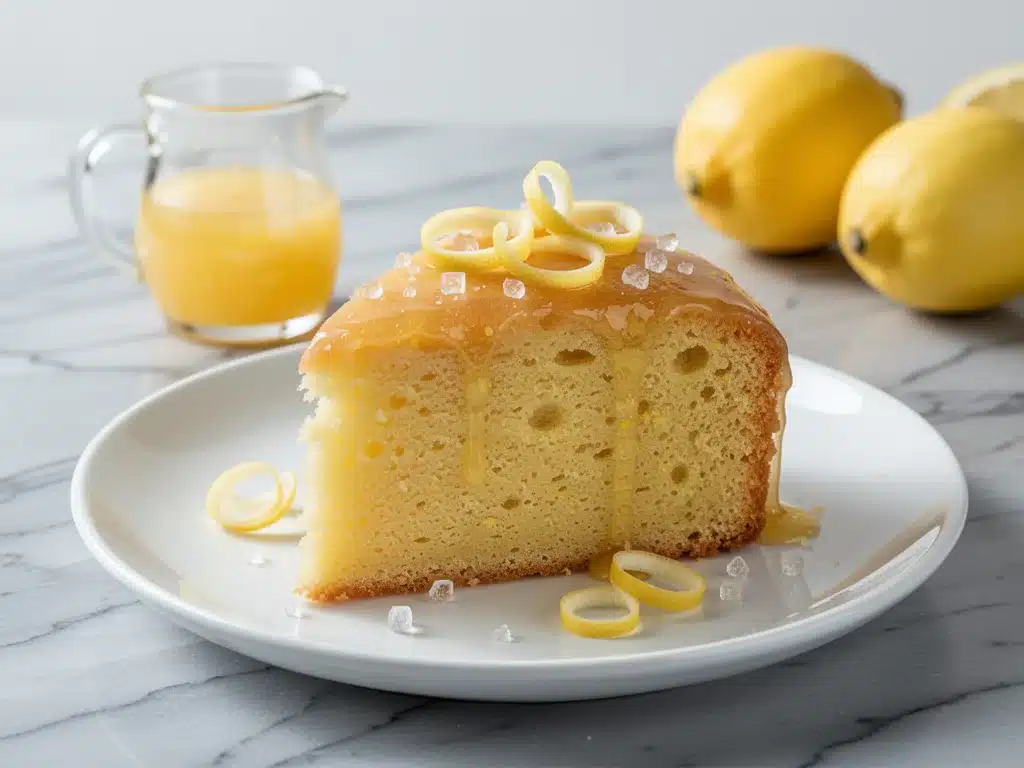
Then last spring, I was visiting my sister in Greece. We were sitting on her tiny balcony overlooking the Aegean Sea, the sun was setting, and she pulled a simple, unassuming cake out of the oven. No frosting. No sprinkles. Just a golden, glistening cake that smelled intensely of lemon and had a crumb so moist it felt like velvet. She drizzled a little extra lemon syrup over it and handed me a fork. One bite, and I was hooked.
It wasn’t just moist; it was alive. It had a tangy brightness that cut through the richness, and the olive oil gave it this incredible, savory depth that butter just can’t do. I came home determined to recreate it, but my first few attempts were… let’s say, educational. I used the wrong oil. I overbaked it. I added too much sugar. It was a disaster.
But after about ten tries (yes, ten), I cracked the code. I found the perfect balance of oil to flour, the right amount of lemon zest to keep it bright without turning it sour, and the secret to keeping it ultra-moist for days. This lemon olive oil cake isn’t just a recipe; it’s my go-to for when I want something that feels fancy but takes ten minutes to mix. It’s one bowl, minimal cleanup, and maximum flavor. If you’ve ever been intimidated by baking or just tired of dry cakes, this one is for you.
Why You’ll Love This One-Bowl Lemon Cake
There are about a dozen reasons I keep making this cake, but here are the big ones that keep it in my regular rotation. Seriously, this thing is a cheat code for dessert.
- One Bowl, Zero Stress — I’m not exaggerating. You whisk everything in one large bowl. No creaming butter, no separate egg whites, no fancy equipment. If you can whisk, you can make this. I’ve made this while my toddler was climbing on my leg. It happens.
- Ultra-Moist Texture — Unlike butter cakes that go stale by noon, this cake stays moist for days. The olive oil coats the flour proteins differently than butter does, keeping the crumb soft and tender. It actually tastes better the next day after the flavors have melded.
- Pantry-Friendly Ingredients — You probably already have everything. Flour, sugar, eggs, olive oil, lemons, baking powder, and salt. No weird specialty ingredients you need to hunt for at three different stores. It’s the ultimate “I need to bake something now” recipe.
- Lighter Than Butter Cake — This isn’t heavy. It doesn’t sit in your stomach like a brick. The oil makes it feel airy and bright, perfect for spring, summer, or even a light holiday dessert. It pairs beautifully with coffee or tea.
- Freezer-Friendly — Because it stays moist, this cake freezes beautifully. I often bake two—one to eat now and one to wrap up for later. It thaws out perfectly, still soft and flavorful.
This is my answer to “what should I bake?” when I don’t want to spend an hour prepping. It’s reliable, delicious, and honestly, a little bit addictive.
Ingredients You’ll Need
Here’s the best part: the ingredient list is short, simple, and mostly things you likely have right now. I’m particular about a couple of items here, so pay attention to those notes.
For the Batter
Extra Virgin Olive Oil (½ cup / 120ml) — This is the star. Don’t use light or refined olive oil; you want the fruity, peppery flavor of good extra virgin. It doesn’t make the cake taste like pizza, I promise. It adds richness and moisture. I keep a bottle of mid-range EVOO (like Colavita or Bertolli) specifically for baking. You don’t need the $20 stuff, but don’t use the sad, old bottle from the back of the cabinet.
Granulated Sugar (1 cup / 200g) — Standard white sugar works best here. It helps create that slightly crisp edge while keeping the inside soft. You can use half sugar if you want it less sweet, but I don’t recommend going lower, or the texture suffers.
Eggs (3 large / room temperature) — Room temperature eggs emulsify better with the oil. If you’re in a hurry, just crack them into a bowl and microwave for 10-15 seconds. They don’t need to be warm, just not cold from the fridge.
Greek Yogurt (½ cup / 120g) — This is the secret weapon for moisture and tang. Full-fat plain Greek yogurt makes the cake incredibly tender. Sour cream works too, but yogurt gives it that nice lemon-y brightness. Don’t use low-fat; the fat content matters for texture.
Lemons (2 large / zest and juice of 2 lemons) — You need fresh lemons. Bottled lemon juice has a metallic, artificial taste that ruins this cake. Zest the lemons before you juice them. You’ll need about 2 tablespoons of zest and ¼ cup of juice. If your lemons are small, use three.
All-Purpose Flour (1 ½ cups / 190g) — Spoon and level your flour. Don’t scoop it directly from the bag, or you’ll pack in too much and get a dense cake. I use Gold Medal or King Arthur, but any standard AP flour works.
Baking Powder (1 ½ teaspoons) — Check the date! Old baking powder makes flat cakes. I replace mine every six months to be safe.
Salt (½ teaspoon) — Essential for balancing the sweet and tart. Don’t skip it.
For the Lemon Syrup (Optional but Recommended)
Granulated Sugar (¼ cup / 50g)
Lemon Juice (2 tablespoons)
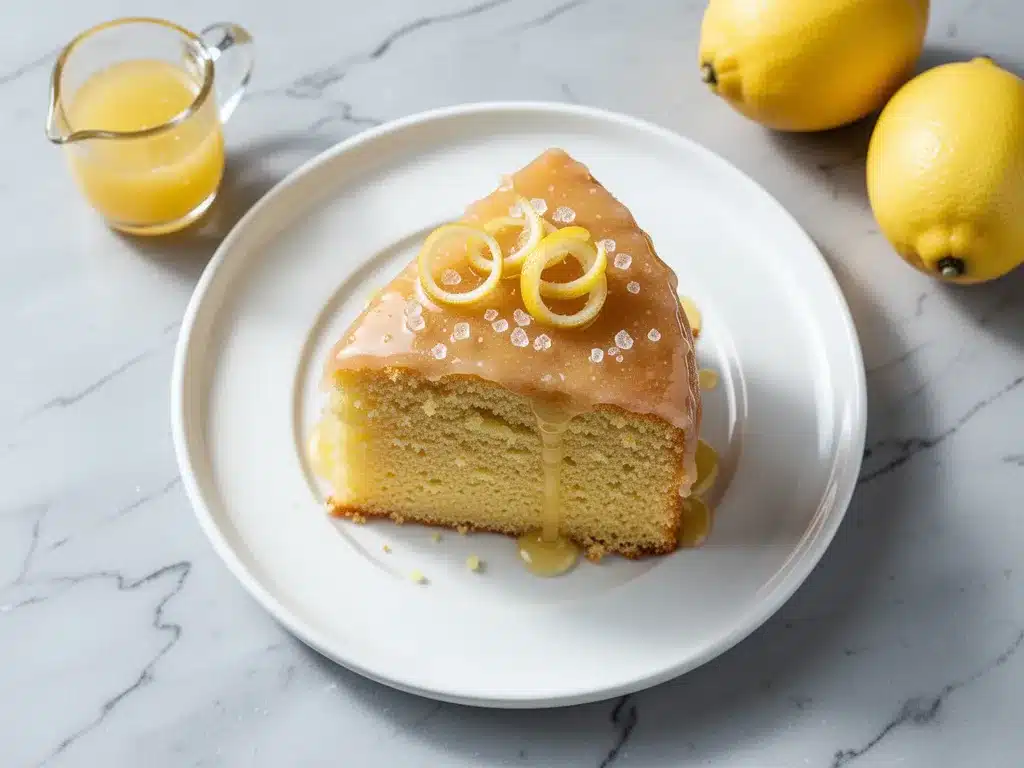
This syrup is brushed onto the warm cake after baking. It soaks in and keeps it moist for days. It also adds an extra pop of lemon flavor. If you’re in a rush, you can skip it, but I highly recommend taking the extra two minutes.
Equipment Needed
You don’t need much for this. Here’s what I actually use in my kitchen:
Large Mixing Bowl — A 4-quart bowl is perfect. It needs to be big enough to whisk the eggs and oil together without splattering. I use a ceramic one because it’s heavy and doesn’t slide around.
Whisk — A standard balloon whisk works fine. I prefer a silicone-coated one because it’s easier to scrape the sides.
9-Inch Round Cake Pan — Or a 9×5 loaf pan. I usually make one round cake, but if you want two smaller layers, use two 6-inch pans. Grease the pan well with butter or oil and line the bottom with parchment paper for easy removal.
Zester or Microplane — For the lemon zest. A microplane gives you fine, fluffy zest that distributes evenly. A box grater works but can be bitter if you get the white pith. Be careful there.
Cooling Rack — Essential for cooling the cake evenly so the bottom doesn’t get soggy.
Small Saucepan or Microwave-Safe Bowl — For making the simple syrup. Either works.
Pastry Brush — To brush the syrup onto the warm cake. A silicone brush is easiest to clean.
How to Make It: Step-by-Step
Alright, let’s make this! I’m walking you through exactly how I do it, including the little tricks I’ve picked up over time.
Step 1: Prep Your Pan and Oven (5 minutes)
Preheat your oven to 350°F (175°C). Grease a 9-inch round cake pan with butter or non-stick spray. For extra insurance, line the bottom with a circle of parchment paper. This guarantees the cake won’t stick. Dust the pan lightly with flour, tapping out the excess. You don’t need a thick coating, just a whisper of flour.
Step 2: Whisk the Wet Ingredients (3 minutes)
In your large bowl, whisk together the olive oil, sugar, eggs, and Greek yogurt. Whisk vigorously for about a minute. You’re looking for a smooth, slightly thickened mixture. The sugar might not dissolve completely yet, and that’s okay. Add the lemon zest and lemon juice. Whisk again until everything is combined. The mixture should look glossy and homogenous.
Step 3: Add the Dry Ingredients (2 minutes)
Add the flour, baking powder, and salt to the wet mixture. Switch to a spatula or a gentle whisk. Mix just until the flour disappears. Do not overmix. Overmixing develops gluten, which makes the cake tough. You want it tender. It’s okay if there are a few tiny lumps of flour left. Stop mixing as soon as you don’t see dry streaks.
Step 4: Bake the Cake (30-35 minutes)
Pour the batter into the prepared pan and smooth the top with your spatula. Bake in the preheated oven for 30-35 minutes. The cake is done when the top is golden brown, springs back when you lightly press it, and a toothpick inserted into the center comes out clean or with just a few moist crumbs. Avoid opening the oven door before the 25-minute mark, or the cake might collapse.
Step 5: Make the Syrup (5 minutes)
While the cake bakes, make the syrup. Combine the ¼ cup sugar and 2 tablespoons lemon juice in a small saucepan. Heat over medium heat, stirring constantly, until the sugar dissolves and the mixture bubbles. It only takes about 2 minutes. You can also microwave it in a bowl for 30-45 seconds, stirring halfway. Set aside.
Step 6: Soak and Cool (10 minutes)
As soon as you take the cake out of the oven, poke holes all over the top with a skewer or toothpick. Don’t be shy—go all over. While the cake is still hot, slowly brush the lemon syrup over the top. It will sizzle and soak in. Let the cake cool in the pan for 10 minutes, then transfer it to a wire rack to cool completely.
Step 7: Serve
This cake is delicious plain, but if you want to dress it up, dust it with powdered sugar or add a few slices of fresh lemon on top. It’s perfect with a cup of coffee or tea.
Expert Tips for Success
Here’s everything I’ve learned from making this dozens of times. These tips will save you from my mistakes.
Don’t Skimp on the Zest — The flavor is in the zest, not just the juice. Make sure you get all the yellow part of the peel. If you’re nervous about bitterness, wash your lemons thoroughly before zesting.
Room Temperature Ingredients Matter — Cold eggs and yogurt can cause the oil to seize up or not emulsify properly. Take your eggs and yogurt out of the fridge 30 minutes before you start. It makes a smoother batter.
Check Your Oven — Ovens vary wildly. My oven runs hot, so I check at 28 minutes. If your toothpick comes out clean early, it’s done. If it’s wet, give it 5 more minutes. Use a thermometer to check your oven temp if you’re unsure.
Be Generous with the Syrup — The syrup is what keeps the cake moist for days. Don’t be afraid to use it all. The cake acts like a sponge.
Cool Completely Before Slicing — I know it’s tempting to cut into it while it’s warm, but the structure is still setting. If you cut it too soon, it might crumble. Let it cool to room temperature for the cleanest slices.
Variations & Substitutions
Once you’ve nailed the basic version, here’s how you can mix it up. I’ve tried all of these.
Blueberry Lemon — Toss 1 cup of fresh or frozen blueberries with 1 tablespoon of flour, then fold them into the batter gently. The flour prevents them from sinking. Amazing addition.
Poppy Seed — Add 1 tablespoon of poppy seeds to the batter. It adds a nice crunch and looks pretty.
Vanilla Bean — Swap the lemon juice for 1 tablespoon of vanilla extract and skip the zest. It’s a simple, classic olive oil cake.
Gluten-Free — Use a 1:1 gluten-free flour blend (like Bob’s Red Mill or King Arthur). It works perfectly. No need to adjust liquid amounts.
Dairy-Free — Swap the Greek yogurt for coconut yogurt or applesauce (though applesauce changes the flavor slightly). The rest is naturally dairy-free.
Chocolate Olive Oil — Replace ¼ cup of flour with cocoa powder. Add a pinch of espresso powder to enhance the chocolate flavor. It’s rich and fudgy.
Serving & Storage
How to Serve: I usually serve this straight from the cooling rack, sliced into wedges. It looks rustic and homemade. For a dinner party, I dust it with powdered sugar and add a few fresh berries on top.
Side Dishes: It pairs well with whipped cream, mascarpone, or a scoop of vanilla ice cream. A simple arugula salad with lemon vinaigrette is also a nice contrast if you’re serving it as a dessert after a heavy meal.
Refrigerator: Store in an airtight container at room temperature for up to 3 days. The olive oil keeps it moist, so it doesn’t need the fridge. If your kitchen is very hot, fridge it for up to 5 days.
Freezer: Wrap the cooled cake tightly in plastic wrap, then in foil. It freezes for up to 3 months. Thaw at room temperature. The texture remains soft.
Reheating: You don’t need to reheat it, but if you want a warm slice, microwave it for 15-20 seconds. It becomes almost like a bread pudding.
Nutrition Information
I’m not a nutritionist, but here’s the breakdown if you’re tracking. This is per slice (1/8 of the cake), assuming the syrup is included.
- Calories: 280
- Protein: 4g
- Carbs: 38g
- Fiber: 1g
- Sugar: 22g
- Fat: 13g
- Saturated Fat: 2g
Look, this is a cake. It has sugar and oil. It’s not a health food. But it’s lighter than a butter cake, and the olive oil provides healthy fats. When I make it, I enjoy a slice with my morning coffee and feel good about it. If you want to cut calories, reduce the sugar to ¾ cup and skip the syrup.
Final Thoughts
So that’s my go-to lemon olive oil cake! I’ve probably talked your ear off at this point, but when you make a recipe this often, you have a lot to say about it. This cake has saved me more times than I can count. It’s my answer to “what should I bring to the potluck?” or “what should I bake for no reason?” It’s reliable, delicious, and honestly, just makes people happy.
Make it yours! Try different berries, add some poppy seeds, or just enjoy it plain. The best recipes are the ones you adapt to your tastes. If you make this, drop a comment and let me know what you think! I love hearing how recipes turn out in your kitchen. And if something doesn’t work, tell me that too—I’m here to help troubleshoot.
Happy baking! And I hope your kitchen smells half as good as mine does right now.
Frequently Asked Questions
Can I use vegetable oil instead of olive oil?
You can, but you’ll lose that unique flavor and moisture. Olive oil cake is distinct because of the oil. If you absolutely must use vegetable or canola oil, it will still be a good cake, just not the same. I don’t recommend using butter, as it changes the texture to a traditional cake.
Why did my cake turn out dense?
Usually, this happens because of overmixing the batter. Once you add the flour, mix just until combined. Also, check your baking powder—if it’s old, it won’t rise properly. And make sure you’re spooning and leveling your flour, not scooping it, which packs it down.
Can I make this in a loaf pan?
Yes! Use a 9×5 loaf pan. The baking time will be similar, but start checking at 25 minutes. You might need to cover the top with foil if it’s browning too quickly before the center is cooked.
Is this cake too oily?
No! The olive oil is emulsified with the eggs and yogurt, so it doesn’t taste greasy. It adds a richness that butter can’t match. If you’re worried, use a mild extra virgin olive oil rather than a very peppery one.
Can I double the recipe?
You can, but you’ll need two pans or a larger pan. If using two 9-inch pans, reduce the baking time by 5 minutes. Keep an eye on them so they don’t dry out.
How do I store leftovers?
Keep it in an airtight container at room temperature for up to 3 days. If your kitchen is hot, refrigerate it. Bring it to room temperature before serving for the best texture.
Pin This Recipe!
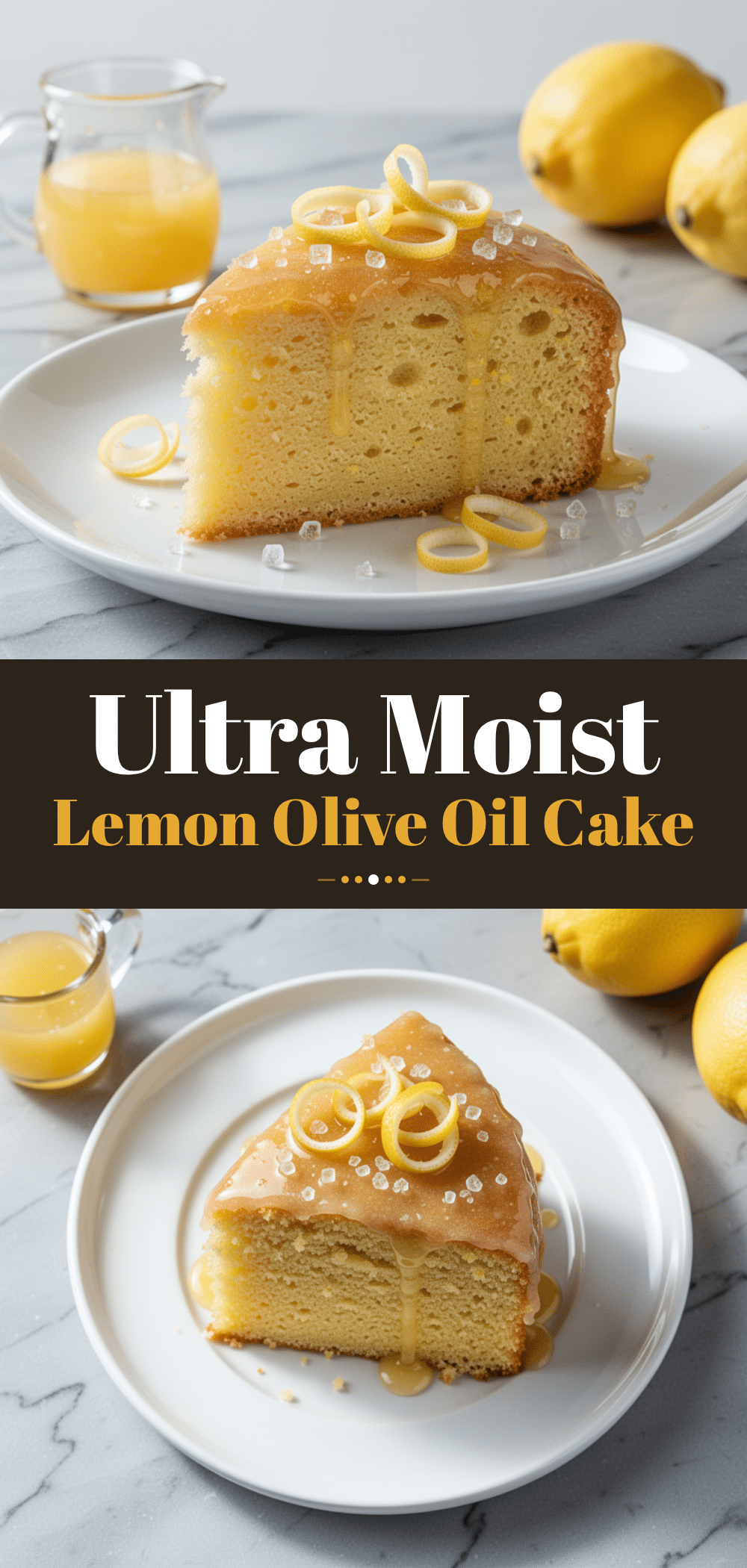

Lemon Olive Oil Cake: 1-Bowl Ultra-Moist & Easy
- Total Time: 45 minutes
- Yield: 8 servings 1x
Description
An ultra-moist, one-bowl lemon olive oil cake that is easy to make, pantry-friendly, and stays fresh for days. This recipe features a tangy lemon syrup soak for maximum flavor and tenderness.
Ingredients
- 1/2 cup (120ml) extra virgin olive oil
- 1 cup (200g) granulated sugar
- 3 large eggs, room temperature
- 1/2 cup (120g) full-fat plain Greek yogurt
- Zest of 2 large lemons (approx. 2 tablespoons)
- Juice of 2 large lemons (approx. 1/4 cup)
- 1 1/2 cups (190g) all-purpose flour
- 1 1/2 teaspoons baking powder
- 1/2 teaspoon salt
- 1/4 cup (50g) granulated sugar (for syrup)
- 2 tablespoons lemon juice (for syrup)
Instructions
- Preheat oven to 350°F (175°C). Grease a 9-inch round cake pan with butter or non-stick spray, line the bottom with parchment paper, and dust lightly with flour.
- In a large bowl, whisk together the olive oil, sugar, eggs, and Greek yogurt vigorously for about a minute until smooth and slightly thickened.
- Add the lemon zest and lemon juice to the wet mixture and whisk until combined and glossy.
- Add the flour, baking powder, and salt. Mix gently with a spatula or whisk just until the flour disappears. Do not overmix.
- Pour batter into the prepared pan and smooth the top. Bake for 30-35 minutes until the top is golden brown, springs back when pressed, and a toothpick comes out clean.
- While the cake bakes, make the syrup by heating 1/4 cup sugar and 2 tablespoons lemon juice in a small saucepan or microwave until the sugar dissolves.
- As soon as the cake comes out of the oven, poke holes all over the top with a skewer. Brush the warm lemon syrup over the cake.
- Let the cake cool in the pan for 10 minutes, then transfer to a wire rack to cool completely before slicing.
Notes
Ensure ingredients are at room temperature for better emulsification. Spoon and level the flour to avoid a dense cake. The cake stays moist for days and freezes well. For a gluten-free version, use a 1:1 gluten-free flour blend. For dairy-free, swap Greek yogurt for coconut yogurt or applesauce.
- Prep Time: 10 minutes
- Cook Time: 30-35 minutes
- Category: Dessert
- Cuisine: Greek
Nutrition
- Serving Size: 1 slice (1/8 of the
- Calories: 280
- Sugar: 22
- Fat: 13
- Saturated Fat: 2
- Carbohydrates: 38
- Fiber: 1
- Protein: 4
Keywords: lemon olive oil cake, one bowl cake, moist cake, gluten free option, dairy free option, easy baking, greek dessert