There’s a specific kind of silence that falls over a room when you pull a dish out of the oven that’s so good it temporarily overrides everyone’s need to talk. It happened last Sunday at my parents’ house. The air was thick with the smell of roasted chicken and the usual background noise of my nieces arguing over the last cookie. Then I slid that casserole onto the table, the cheese pull stretching across the entire pan, and suddenly, the arguing stopped. Forks hit plates. Eyes got wide. My uncle, who usually complains about everything from the weather to the thermostat setting, quietly asked for a second helping before I’d even finished serving the first round.
This isn’t just mac and cheese. This is the creamy Southern-style baked mac and cheese that has become my secret weapon for impressing picky eaters, foodie friends, and anyone who claims they’ve “had enough cheese.” I’ve tested this recipe more times than I care to admit—sometimes three times in a single week just to see if I could tweak the breadcrumb topping or adjust the spice blend. And here’s the truth: the version I’m sharing today is the one that sticks. It’s the one that gets saved to phone home screens. It’s the one that makes people ask, “Did you buy this from a restaurant?” (The answer is always, “No, I made it. But you’re welcome.”)
I learned the basics of this dish from my great-aunt Martha, who ran a small diner in Georgia in the 1970s. She didn’t use boxed powder. She didn’t rely on pre-shredded bags full of potato starch. She used real cheddar, a roux made from butter and flour, and a technique that sounds simple but requires patience. Over the years, I’ve adapted her method to fit modern kitchens and my own slightly chaotic cooking style, but the soul of the dish remains the same: rich, gooey, deeply flavorful, and topped with a crunch that contrasts perfectly with the soft pasta underneath. If you’ve ever struggled with mac and cheese that’s either dry, grainy, or just… boring, this recipe is your fix. It’s the ultimate comfort food, done right.
Why You’ll Love This Recipe
I’ve made enough mac and cheese to know that not all cheesy pasta is created equal. Some are too heavy, some lack depth, and some fall apart before they hit the plate. This creamy Southern-style baked mac and cheese hits that sweet spot between indulgent and manageable. Here’s why it’s earned a permanent spot in my rotation:
- Actually Creamy, Not Gluey — The secret is in the roux and the milk temperature. I’ve had friends tell me this tastes like a high-end restaurant version, and I believe them. It’s silky, smooth, and coats every noodle without turning into a solid brick when it cools.
- Flavor That Has Depth — We’re using sharp cheddar, a touch of Dijon mustard, and a hint of smoked paprika. It’s not just “cheesy”; it’s complex. The mustard cuts through the richness so you don’t feel weighed down afterward.
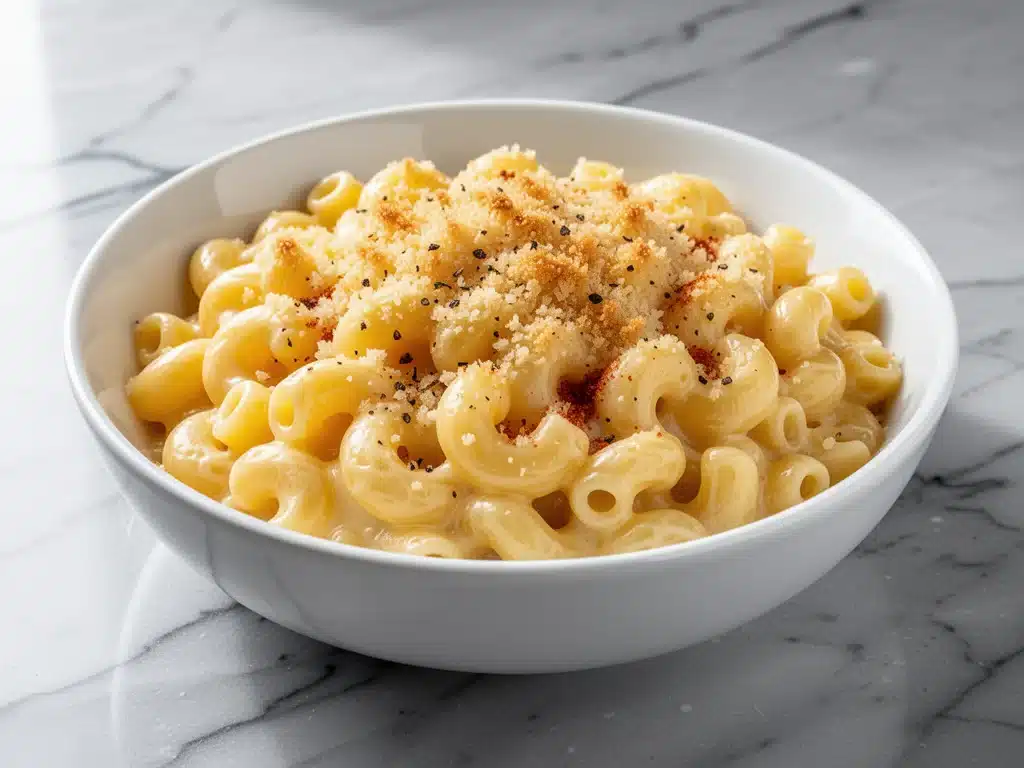
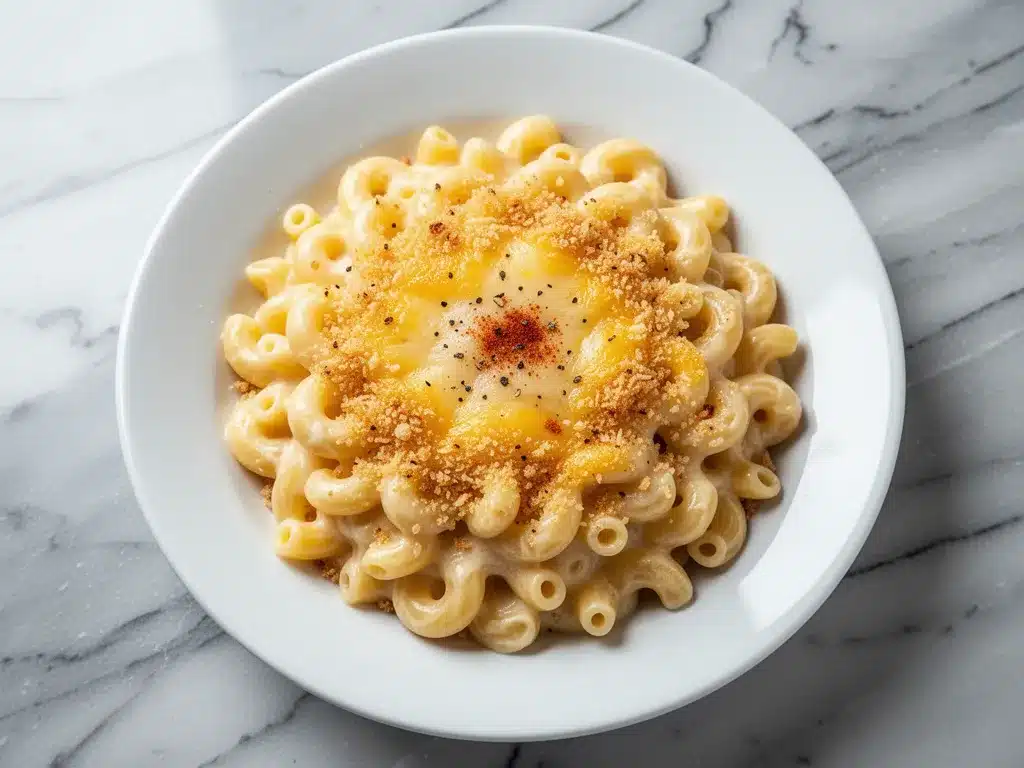
- The Topping is Everything — A soft mac and cheese is good. A mac and cheese with a golden, buttery, crispy breadcrumb crust is life-changing. I’ve tried panko, regular breadcrumbs, and crushed crackers. Panko mixed with Parmesan is the winner every time.
- Make-Ahead Friendly — This is a lifesaver for hosting. You can assemble it the night before, refrigerate it, and just pop it in the oven when guests arrive. It bakes beautifully even when cold, though you might need an extra 10 minutes.
- Impressive Without the Stress — You don’t need fancy equipment or obscure ingredients. Just a few staples you probably have in your pantry. It’s the kind of dish that makes you look like a culinary genius with minimal effort.
Whether you’re serving it alongside creamy Tuscan salmon for a fancy date night or just want to treat yourself to a weekend comfort meal, this recipe delivers. It’s reliable, delicious, and consistently gets compliments. I’ve served it at potlucks, family reunions, and casual Tuesday dinners, and the result is always the same: empty pans and second helpings.
Ingredients You’ll Need
One of the best things about this creamy Southern-style baked mac and cheese is that the ingredient list is straightforward. You don’t need a trip to a specialty store. You just need to be intentional about quality, especially with the cheese. Here’s what you’ll need and why each piece matters.
For the Pasta
Elbow macaroni (1 pound / 450g) — Traditional elbows are best because they hold the sauce in their curves. Cavatappi or rotini work too if you want a different shape, but avoid long pasta like spaghetti—it just doesn’t work for this style. Use a good brand like Barilla or De Cecco for consistent cooking.
Salt (2 tablespoons) — For the pasta water. It needs to be salty, like the ocean. This seasons the pasta from the inside out.
For the Cheese Sauce
Unsalted butter (½ cup / 115g) — This forms the base of your roux. Unsalted lets you control the sodium level. I use high-quality European-style butter when I can, but regular unsalted works fine.
All-purpose flour (½ cup / 60g) — To thicken the sauce. Don’t skip this, or you’ll end up with a soupy mess. Whisk it in with the butter to create a paste.
Whole milk (3 cups / 720ml) — Whole milk gives the best richness. Skim milk will make the sauce thin and less creamy. Warm the milk slightly before adding it to the roux—it helps prevent lumps.
Sharp cheddar cheese (3 cups / 300g, freshly grated) — This is the star. Buy a block and grate it yourself. Pre-shredded cheese contains cellulose (anti-caking agents) that prevent it from melting smoothly, leaving your sauce grainy. Sharp cheddar has a stronger flavor that stands up to the baking process. Mild cheddar is too bland for this.
Smoked Gouda or Monterey Jack (1 cup / 100g, grated) — These cheeses melt beautifully and add creaminess. I like the smoky depth of Gouda, but Jack works well too if you want a milder flavor.
Dijon mustard (1 tablespoon) — It might seem weird in cheese, but it adds a tangy brightness that balances the fat. You won’t taste “mustard,” just a deeper cheese flavor.
Smoked paprika (½ teaspoon) — Adds a subtle smokiness that hints at the “Southern” style. It’s not spicy, just aromatic.
Garlic powder (½ teaspoon) — For a background note of savory depth. Fresh garlic can burn in the roux, so powder is safer here.
Black pepper (½ teaspoon, freshly cracked) — Always use fresh cracked. Pre-ground pepper loses its potency quickly.
For the Topping
Panko breadcrumbs (1 cup / 100g) — These create a lighter, crispier crust than regular breadcrumbs. They toast up golden and crunchy.
Grated Parmesan cheese (¼ cup / 25g) — Adds saltiness and umami to the crust.
Melted butter (3 tablespoons) — To bind the breadcrumbs and help them brown.
Fresh parsley (2 tablespoons, chopped) — For color and a fresh finish. Optional, but it makes the dish look professional.
Equipment Needed
You don’t need anything fancy. Here’s what I actually use when I make this creamy Southern-style baked mac and cheese.
Large stockpot — For boiling the pasta. Needs to hold at least 4 quarts of water comfortably.
Large saucepan or Dutch oven — For making the cheese sauce. A heavy-bottomed pan prevents scorching. I use a 4-quart Dutch oven because it’s wide enough for easy whisking.
Whisk — Essential for the roux. A silicone whisk is great because it doesn’t scratch non-stick surfaces, but stainless steel works too.
9×13-inch baking dish — Standard size for this amount of pasta. Glass or ceramic works best for even browning. Metal pans can sometimes burn the edges faster.
Box grater — For grating the cheese blocks. A microplane works for the Parmesan, but a standard box grater is better for the cheddar.
Colander — To drain the pasta. Or just use the lid if you’re feeling lazy, but be careful!
Measuring cups and spoons — Accuracy matters in the roux. Too much flour makes it pasty; too little makes it runny.
How to Make It: Step-by-Step
Alright, let’s get into the kitchen. I’m going to walk you through exactly how I make this creamy Southern-style baked mac and cheese, including the little tricks that ensure success every single time.
Step 1: Prep Your Cheese and Topping (10 minutes)
Before you start cooking, grate all your cheese. Yes, all of it. Shredding your own cheese takes time, but it’s the difference between a smooth sauce and a lumpy one. Once grated, measure out the cheddar and Gouda/Jack separately. Also, mix your topping ingredients—breadcrumbs, Parmesan, and melted butter—in a small bowl. Set it aside. Having everything prepped makes the cooking process smooth and stress-free.
Step 2: Cook the Pasta (8-10 minutes)
Bring a large pot of heavily salted water to a boil. Add the elbow macaroni and cook according to package directions, but here’s the trick: cook it 1 minute less than al dente. It will finish cooking in the oven. Drain the pasta and rinse it briefly with cold water to stop the cooking process. This prevents it from getting mushy while you make the sauce. Toss it with a tiny bit of oil to keep it from sticking together.
Step 3: Make the Roux (3 minutes)
In your large saucepan, melt the butter over medium heat. Once foamy, add the flour. Whisk constantly for about 1-2 minutes. You’re making a blonde roux—it should look like wet sand and smell nutty. Don’t let it brown, or it’ll taste bitter. This is the thickening agent for your sauce.
Step 4: Build the Sauce (5-7 minutes)
Slowly pour in the warm milk, whisking constantly. This is crucial. If you dump it all in at once, you’ll get lumps. Add it in a slow, steady stream while whisking vigorously. Once all the milk is added, continue to cook and whisk for 3-4 minutes until the sauce thickens enough to coat the back of a spoon. It should look like thin gravy.
Step 5: Add the Flavor and Cheese (3 minutes)
Remove the pan from the heat. This is important—adding cheese to high heat can make it grainy. Stir in the Dijon mustard, smoked paprika, garlic powder, and black pepper. Then, gradually add the grated cheddar and Gouda/Jack, stirring until melted and smooth. Taste the sauce. It should be seasoned well, maybe even a bit too salty, because the pasta will dilute it slightly.
Step 6: Combine and Bake (25-30 minutes)
Preheat your oven to 350°F (175°C). In your 9×13 baking dish, combine the cooked pasta and the cheese sauce. Stir gently to coat every noodle. Spread it evenly. Sprinkle the breadcrumb mixture on top, pressing down lightly so it sticks. Bake for 20-25 minutes, until the topping is golden brown and the cheese is bubbling around the edges. If the top isn’t browning fast enough, broil for the last 1-2 minutes, but watch it like a hawk—it burns quickly!
Step 7: Rest and Serve
Let it rest for 5-10 minutes after taking it out of the oven. This allows the sauce to set slightly so it doesn’t run off the spoon when you serve it. Garnish with fresh parsley if using. Serve warm.
Expert Tips & Tricks
I’ve learned a lot from making this creamy Southern-style baked mac and cheese dozens of times. Here are the game-changers that will save you from common pitfalls.
- Grate Your Own Cheese — I cannot stress this enough. Pre-shredded cheese has anti-caking agents that prevent smooth melting. Your sauce will be grainy. Grate a block of cheddar—it takes 5 minutes and changes everything.
- Warm the Milk — Adding cold milk to a hot roux can cause separation. Warm the milk in the microwave or a separate pot before adding it to the roux. It helps the sauce stay smooth and creamy.
- Don’t Overcook the Pasta — Since it bakes in the sauce, undercook the pasta by 1-2 minutes. If you cook it fully al dente first, it’ll turn to mush in the oven.
- Let It Rest — Hot mac and cheese can be soupy. Letting it rest for 10 minutes allows the sauce to thicken and set, making it easier to serve neat portions.
- Toast the Breadcrumbs — For an extra crispy topping, toast the breadcrumbs in a dry pan for 2 minutes before mixing with butter and Parmesan. It adds a deeper nutty flavor.
Common Mistakes to Avoid
Sauce is too thin: Your roux wasn’t cooked long enough, or you added too much milk. Cook the roux-milk mixture longer until it coats the spoon.
Sauce is grainy: The cheese was added over high heat, or you used pre-shredded cheese. Always remove from heat before adding cheese, and grate your own.
Topping is burnt: The oven temperature was too high, or you broiled it too long. Keep an eye on the oven during the last 5 minutes.
Variations & Substitutions
Once you master the base recipe, here’s how you can mix it up. I’ve tested all of these.
Protein Add-ins
Bacon Mac and Cheese — Fry 8 slices of bacon until crispy, crumble, and mix into the pasta. Top with extra bacon bits. This is a crowd-pleaser.
BBQ Chicken Mac — Stir in 2 cups of shredded cooked chicken and ½ cup of BBQ sauce. It’s a different vibe, but delicious.
Veggie Boosts
Broccoli Mac — Toss in 2 cups of steamed broccoli florets. The green contrasts nicely with the orange cheese. My kids actually eat their veggies this way.
Spinach and Mushroom — Sauté mushrooms and spinach, then mix into the sauce. Adds earthiness and texture.
Dietary Modifications
Gluten-Free — Use gluten-free elbow pasta and gluten-free breadcrumbs. The rest is naturally gluten-free.
Dairy-Free — Use plant-based butter, oat milk, and dairy-free cheese shreds. Note: Dairy-free cheese doesn’t melt the same way, so the texture will be different. It’s still good, just not identical.
Serving & Storage
This creamy Southern-style baked mac and cheese is best served fresh, but it’s also great for leftovers.
How to Serve
I usually serve it straight from the dish, but for a nicer presentation, scoop it onto plates and add a sprinkle of parsley. It pairs beautifully with roasted vegetables, grilled chicken, or cheesy baked chicken sliders for a heavy meal. For a lighter touch, serve it with a simple green salad.
Storage
Refrigerator: Store leftovers in an airtight container for up to 4 days. The sauce will thicken in the fridge.
Reheating: Add a splash of milk or cream when reheating to restore creaminess. Reheat in a skillet over low heat or in the microwave, stirring frequently. Avoid the oven for single portions—it can dry out the edges.
Freezing: This recipe doesn’t freeze well due to the dairy. The sauce may separate upon thawing. It’s best made fresh or stored in the fridge for a few days.
Nutrition Information
I’m not a nutritionist, but here’s the breakdown if you’re tracking. Keep in mind this is a rich, indulgent dish.
| Nutrient | Per Serving (approx.) |
|---|---|
| Calories | 550 |
| Protein | 22g |
| Carbs | 45g |
| Fat | 32g |
| Sodium | 650mg |
It’s high in calories and fat due to the cheese and butter, but also high in protein and calcium. If you want to lighten it up, use reduced-fat cheese and milk, though the flavor and texture will suffer slightly. I say: enjoy it as a treat.
Final Thoughts
This creamy Southern-style baked mac and cheese is more than just a recipe. It’s a memory maker. It’s the dish that brings people together, that fills a room with comfort, and that makes you feel like a hero in the kitchen. I’ve made it for holidays, for casual Fridays, and for when I just needed a hug in food form. Every time, it works.
So, grab your whisk, grate some cheese, and get ready to impress. You’ve got this. And if you end up with empty pans and happy faces, you’ll know why I love this recipe so much.
Frequently Asked Questions
Can I use different pasta shapes?
Yes! Elbows are traditional, but cavatappi, rotini, or penne work well. They all hold sauce nicely. Avoid long pasta like spaghetti or linguine, as they don’t mix well with a thick cheese sauce.
Why is my mac and cheese dry?
This usually happens if the pasta was overcooked before baking, or if the sauce wasn’t creamy enough. Make sure you use enough cheese and milk. Also, let it rest before serving—hot mac and cheese can look soupy but firm up as it cools.
Can I make this ahead of time?
Absolutely. Assemble the dish up to 24 hours in advance. Cover tightly with foil and refrigerate. When ready to bake, add 10-15 minutes to the baking time since it’s starting cold.
What kind of cheese is best?
Sharp cheddar is essential for flavor. Pair it with a melting cheese like smoked Gouda, Monterey Jack, or Gruyère. Avoid using only mild cheddar—it’s too bland. And always grate your own cheese for the best melt.
Can I freeze this?
I don’t recommend freezing baked mac and cheese. The dairy can separate and become grainy when thawed. It’s best enjoyed fresh or stored in the fridge for a few days. If you must freeze, freeze the sauce separately and cook the pasta fresh.
How do I make the topping extra crispy?
Use panko breadcrumbs instead of regular ones. Mix them with melted butter and Parmesan, and press them lightly onto the top. For extra crunch, toast the breadcrumbs in a pan before adding the butter.
Pin This Recipe!
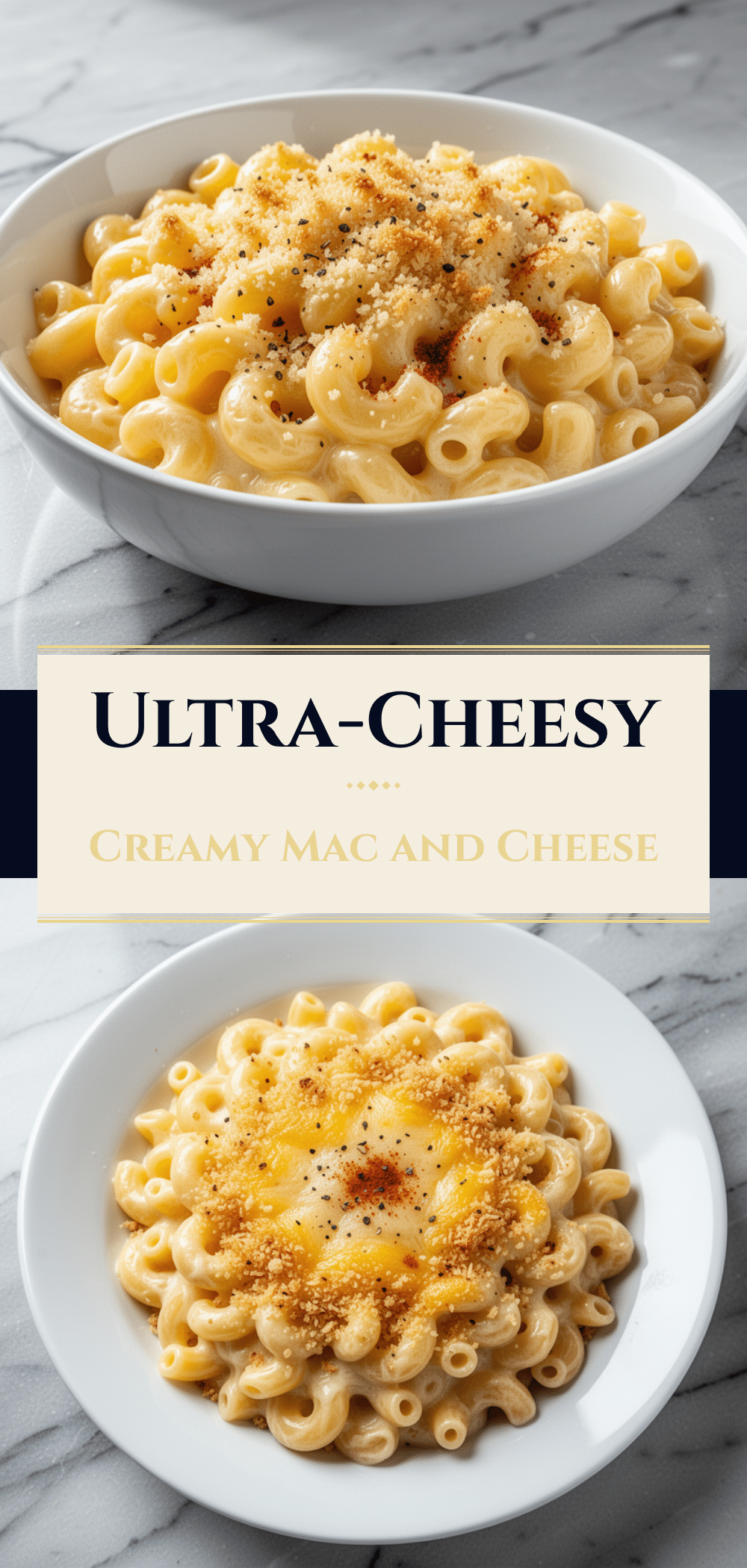
Creamy Southern-Style Baked Mac and Cheese
- Total Time: 40 minutes
- Yield: 8 servings 1x
Description
A rich, gooey, and deeply flavorful baked mac and cheese featuring a homemade roux-based cheese sauce, sharp cheddar, smoked Gouda, and a crispy panko breadcrumb topping.
Ingredients
- 1 pound elbow macaroni
- 2 tablespoons salt (for pasta water)
- 1/2 cup unsalted butter
- 1/2 cup all-purpose flour
- 3 cups whole milk (warmed)
- 3 cups sharp cheddar cheese (freshly grated)
- 1 cup Smoked Gouda or Monterey Jack cheese (grated)
- 1 tablespoon Dijon mustard
- 1/2 teaspoon smoked paprika
- 1/2 teaspoon garlic powder
- 1/2 teaspoon black pepper (freshly cracked)
- 1 cup panko breadcrumbs
- 1/4 cup grated Parmesan cheese
- 3 tablespoons melted butter (for topping)
- 2 tablespoons fresh parsley (chopped, optional)
Instructions
- Preheat oven to 350°F (175°C).
- Grate all cheese blocks yourself and mix panko breadcrumbs, Parmesan, and melted butter in a small bowl for the topping.
- Bring a large pot of heavily salted water to a boil. Cook elbow macaroni for 1 minute less than al dente. Drain, rinse briefly with cold water, and toss with a tiny bit of oil.
- In a large saucepan, melt butter over medium heat. Add flour and whisk constantly for 1-2 minutes to create a blonde roux.
- Slowly pour in warm milk while whisking vigorously. Cook for 3-4 minutes until the sauce thickens enough to coat the back of a spoon.
- Remove pan from heat. Stir in Dijon mustard, smoked paprika, garlic powder, and black pepper.
- Gradually add grated cheddar and Gouda/Jack, stirring until melted and smooth.
- Combine cooked pasta and cheese sauce in a 9×13-inch baking dish. Spread evenly.
- Sprinkle breadcrumb mixture on top, pressing down lightly.
- Bake for 20-25 minutes until topping is golden brown and cheese is bubbling. Broil for 1-2 minutes if needed for extra browning.
- Let rest for 5-10 minutes before serving.
Notes
Grate your own cheese to avoid anti-caking agents that cause graininess. Warm the milk before adding to the roux to prevent lumps. Undercook pasta slightly as it will finish cooking in the oven. Let the dish rest before serving to allow the sauce to set.
- Prep Time: 10 minutes
- Cook Time: 30 minutes
- Category: Side Dish
- Cuisine: Southern
Nutrition
- Serving Size: 1 serving
- Calories: 550
- Sugar: 6
- Sodium: 650
- Fat: 32
- Saturated Fat: 18
- Carbohydrates: 45
- Fiber: 2
- Protein: 22
Keywords: mac and cheese, baked mac and cheese, southern mac and cheese, comfort food, cheesy pasta, homemade mac and cheese, panko topping