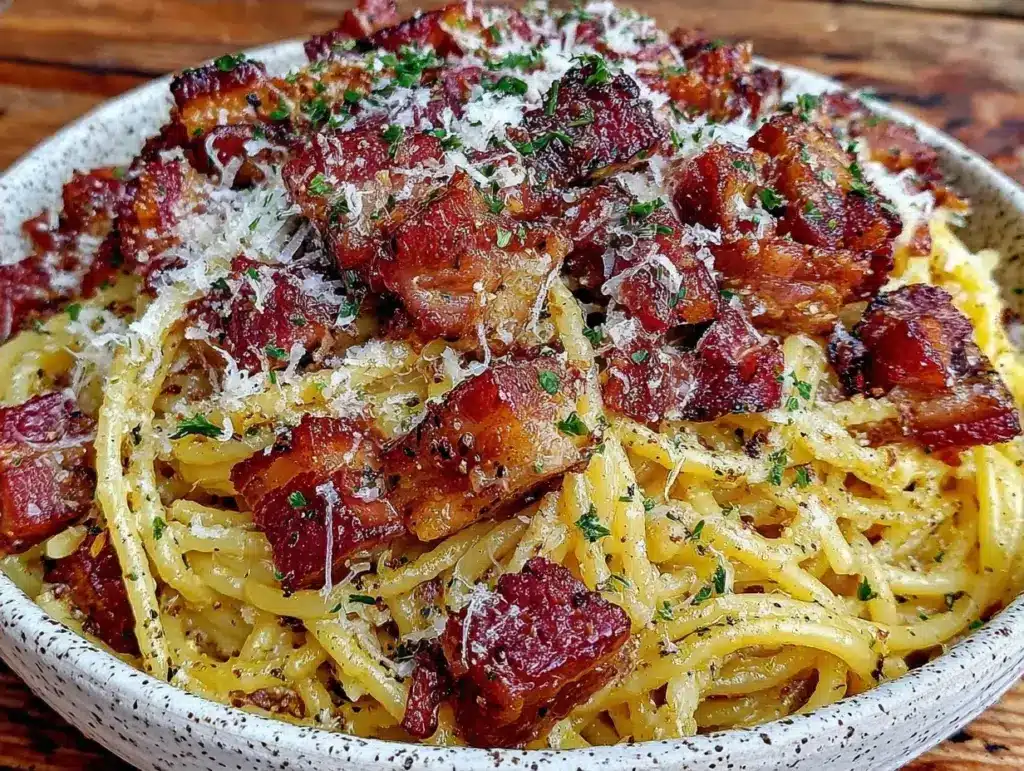
I still remember the first time I made carbonara and completely ruined it. I was in my tiny apartment in Chicago, trying to impress a date who claimed to be from Rome. I panicked, turned the heat up high, and scrambled the eggs into little yellow curds while the guanciale was still smoking hot. It looked like egg salad on pasta. It tasted like a mistake. My date, bless his heart, didn’t say anything, but I knew. I had failed the test.
That failure stuck with me. For years, I avoided carbonara at restaurants because I was terrified of ordering something that wasn’t “real.” Then, last winter, I went back to visit my Nonna in her little kitchen in Umbria. She didn’t have a recipe card for this dish. She didn’t measure anything. She just showed me how to listen to the pasta, how to feel the heat of the pan, and how to trust the emulsion. That night, eating straight from the pot with a wooden spoon, I finally understood. It’s not about being fancy. It’s about patience and temperature control.
This is the authentic Italian carbonara with guanciale and Pecorino Romano that I’ve refined over dozens of attempts. It’s creamy without a single drop of cream (I know, heresy to some, but hear me out), rich, savory, and absolutely perfect. It takes about 20 minutes, but the technique is what matters. Once you get this right, you’ll never go back to the version with peas or bacon. Trust me on this one.
Why You’ll Love This Recipe
There is something deeply satisfying about mastering a dish that feels deceptively simple but requires just a bit of finesse. This carbonara has earned a permanent spot in my weekly rotation for a few reasons.
It’s Pure Comfort — Seriously, there is nothing like the smell of rendering guanciale filling the kitchen. It’s savory, salty, and deeply comforting. I make this when I need a hug in food form. It’s rich, but not heavy, and it feels like a treat without being complicated.
Only Five Ingredients — You don’t need a pantry full of spices or weird sauces. You need eggs, cheese, cured pork, pasta, and black pepper. That’s it. If you can buy those, you can make this. It’s the ultimate minimalist dinner.
Restaurant Quality at Home — I’ve tried making this in my own kitchen until I got it right, and the result is as good as any place in Rome. The key is the technique of tempering the eggs, which creates a silky sauce that coats every strand of pasta. It’s impressive enough for guests but easy enough for a Tuesday night.
Gluten-Free Friendly — Since this recipe relies on eggs and cheese rather than flour or wheat-based thickeners, it’s naturally gluten-free if you choose a GF pasta. I’ve tested this with both regular durum wheat and brown rice pasta, and it works beautifully with both. You can check out my creamy wild rice and mushroom casserole if you’re looking for other comforting, naturally gluten-free comfort foods.
Ingredients You’ll Need
This recipe is all about quality. Because there are so few ingredients, each one has to do heavy lifting. Don’t skimp on the cheese or the pork. Here’s what you need.
Guanciale (8 ounces / 225g) — This is cured pork jowl, and it’s non-negotiable for authentic carbonara. It has a higher fat content than pancetta or bacon, which renders down into a liquid gold that flavors the entire dish. Look for it at Italian delis or specialty meat shops. If you absolutely cannot find it, pancetta is the next best option, but guanciale has a unique, deeper flavor.
Pecorino Romano (1 cup / 100g, freshly grated) — This is a sharp, salty sheep’s milk cheese. It’s stronger than Parmesan, which is perfect for cutting through the richness of the eggs and pork. Buy a wedge and grate it yourself. Pre-grated cheese contains anti-caking agents that prevent it from melting smoothly, leading to a grainy sauce. I keep a block in the fridge specifically for this.
Eggs (3 large yolks + 1 whole egg) — We use mostly yolks for that rich, creamy texture, plus one whole egg for structure. Use high-quality, fresh eggs. Since the eggs are technically “cooked” by the heat of the pasta and pork, freshness is key for safety and flavor. Room temperature eggs help prevent shock when they hit the hot pasta water.
Pasta (1 pound / 450g) — Traditionally, this is made with spaghetti or rigatoni. I prefer spaghetti for the classic experience, but rigatoni is great if you want to trap the guanciale bits in the tubes. Use a good quality dried pasta. I like De Cecco or Rummo. Avoid fresh pasta for this; it doesn’t hold up to the heavy sauce.
Black Pepper (2 teaspoons, freshly cracked) — Carbonara is essentially a pepper sauce with cheese and pork. Use a generous amount of freshly cracked black pepper. Coarse cracks are best. You want to see the specks of pepper in every bite.
Salt (for pasta water) — You’ll need a lot of salt for the pasta water. It should taste like the sea. Do not salt the sauce directly, as the Pecorino and guanciale are already very salty.
Equipment Needed
You don’t need anything fancy, but having the right tools helps. Here’s what I use.
Large Skillet or Sauté Pan — I use a 12-inch stainless steel or cast iron skillet. It needs to be wide enough to hold the guanciale in a single layer so it renders evenly. A non-stick pan works too, but you lose the fond (the browned bits) that adds flavor.
Mixing Bowl — A medium bowl for whisking the eggs and cheese. Glass or ceramic is fine.
Tongs — Essential for tossing the pasta. I have a pair of long tongs that make it easy to lift the pasta from the pot to the pan.
Microplane or Fine Grater — For the Pecorino. You want it finely grated so it melts instantly into the sauce.
Large Pot — For boiling the pasta. Make sure it’s big enough to move around.
Colander — To drain the pasta. Or, if you’re feeling fancy, just use the pot lid.
How to Make It: Step-by-Step
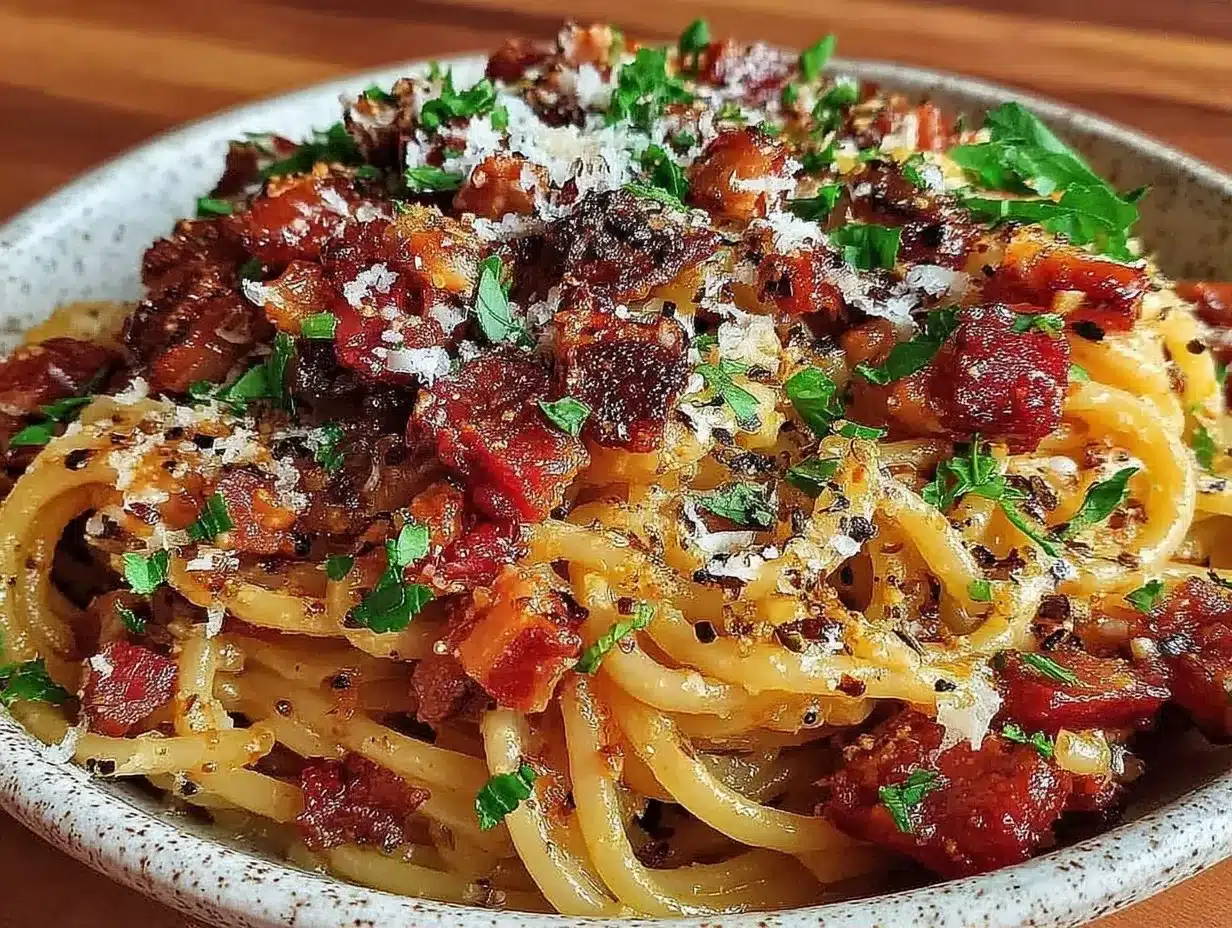
Alright, let’s make this. The trick is timing. Everything needs to come together at the same time, so have your eggs mixed and your pasta cooking before you start the guanciale.
Step 1: Prep the Guanciale
Cut the guanciale into strips about half an inch thick and an inch long. Don’t dice it too small; you want chunks you can actually bite into. Place them in a cold skillet. Turn the heat to medium-low. This is crucial. You want to render the fat slowly. If you start with a hot pan, the outside will burn before the inside renders. Cook for about 10-12 minutes, stirring occasionally, until the guanciale is golden and crispy but still tender. The fat should be liquid and clear. Remove the skillet from the heat. This is your heat source for later.
Step 2: Make the Egg Mixture
While the guanciale cooks, whisk the eggs in your mixing bowl. Add the grated Pecorino Romano and a generous amount of freshly cracked black pepper. Whisk until it forms a thick, paste-like consistency. It should look like a thick batter. Set this aside. If the mixture looks too dry, add a tablespoon of pasta water (reserved from later) to loosen it slightly.
Step 3: Cook the Pasta
Bring a large pot of heavily salted water to a boil. Add the pasta and cook until al dente. Check the package time, but usually, you want to pull it 1-2 minutes before it’s done. IMPORTANT: Before draining, scoop out at least 1 cup of the starchy pasta water. This is the secret weapon. Drain the pasta, but don’t rinse it.
Step 4: Temper the Eggs
This is the step that saves the dish. Take your skillet with the guanciale and fat off the heat. Let it cool for about a minute. Take a ladle of hot pasta water and slowly whisk it into the egg and cheese mixture. Do this slowly, drop by drop at first, then in a steady stream. You are raising the temperature of the eggs gently so they don’t scramble when they hit the hot pasta. The mixture should become creamy and slightly thinner.
Step 5: Combine
Transfer the hot, drained pasta directly into the skillet with the guanciale and fat. Toss well to coat every strand in the pork fat. Now, remove the skillet from the heat completely. Wait 30 seconds. Then, pour the egg mixture over the pasta. Toss vigorously and continuously. The residual heat from the pasta and the pan will cook the eggs into a creamy sauce. If it looks too thick or clumpy, add a splash more pasta water and keep tossing. You want a glossy, creamy sauce, not scrambled eggs.
Step 6: Serve Immediately
Plate the pasta immediately. Top with extra Pecorino Romano and another crack of black pepper. It’s best eaten right away, while it’s hot and creamy.
Expert Tips & Tricks
I’ve made this recipe enough times to know where people trip up. Here’s how to avoid my mistakes.
The Pan Must Be Off the Heat — This cannot be stressed enough. If you add the eggs to a hot pan on the burner, you will get omelet bits. Always remove the pan from the heat source before adding the egg mixture. The pasta is hot enough to cook the eggs.
Save That Pasta Water — The starchy water is what binds the sauce. It helps the fat and water emulsify. Without it, you’ll have greasy pasta with cheese clumps. With it, you get a silky sauce. Keep it warm and accessible.
Don’t Skimp on the Pepper — In Italian, “carbonara” is linked to “carbone” (charcoal). The black pepper should look like specks of charcoal against the white cheese. Use a good amount. It’s the flavor backbone.
Use Room Temperature Eggs — Cold eggs hitting hot pasta can shock the system. Take your eggs out of the fridge 30 minutes before cooking. If you forget, just warm them in a bowl of warm water for a few minutes.
Work Fast — Once you add the eggs, you have about 60 seconds to toss everything before it sets. Move quickly and confidently. If you’re unsure, add more pasta water to keep it fluid.
Try This Side — This rich pasta pairs beautifully with a light, acidic side to cut the richness. I love a simple arugula salad with lemon vinaigrette. If you need a quick side dish, check out my small batch refrigerator pickled red onions—they add a perfect crunch and tang to balance the meal.
Variations & Substitutions
Once you master the base, here are some ways to tweak it.
Pancetta Instead of Guanciale — If you can’t find guanciale, pancetta is the standard substitute. It’s leaner and less flavorful, so you might need to add a tiny bit more olive oil to the pan. It’s still delicious, just not “authentic” in the strictest sense.
Bacon Version — I know, Italians will judge me. But if you’re in a pinch, use thick-cut bacon. Cook it until crispy, then use the fat. It’s smokier and saltier, so reduce the salt in your pasta water.
Vegetarian Option — Swap the guanciale for sautéed mushrooms or roasted artichoke hearts. The sauce remains the same. It’s surprisingly good.
Gluten-Free — Use your favorite gluten-free pasta. I’ve had good luck with brown rice or chickpea pasta. Just be careful not to overcook it, as GF pasta can get mushy faster. The rest of the recipe is naturally gluten-free.
Cheese Swap — If Pecorino is too sharp, mix it 50/50 with Parmigiano-Reggiano. It’s milder and creamier, though less traditional.
Serving & Storage
How to Serve — Serve this immediately. Carbonara does not wait. It’s best eaten straight from the pan onto plates. I usually serve it with a simple green salad on the side to balance the richness. A glass of Chianti or a crisp Pinot Grigio goes perfectly.
Leftovers — Look, I’ll be honest. Carbonara is best fresh. The sauce can break and become greasy when reheated. If you must store it, put it in an airtight container in the fridge for up to 2 days. To reheat, add a splash of water or milk and warm it gently in a skillet over low heat, stirring constantly. It won’t be as creamy as day one, but it’s still good. Don’t microwave it—it will turn into rubber.
Meal Prep Note — I don’t recommend prepping this for meal prep in advance. The texture changes too much. Make it fresh for dinner.
Nutrition Information
I’m not a nutritionist, but here’s the breakdown per serving (based on 4 servings). Remember, this is a rich dish.
Per Serving:
- Calories: 650
- Protein: 22g
- Carbs: 75g
- Fat: 28g
- Saturated Fat: 12g
- Cholesterol: 210mg
- Sodium: 850mg
It’s high in sodium due to the cured pork and cheese, so keep that in mind. The protein and fat will keep you full, but it’s definitely a treat, not a daily staple. If you’re watching your salt, use low-sodium guanciale (if you can find it) or rinse the guanciale briefly before cooking.
Final Thoughts
Making authentic carbonara feels like a secret shared between cooks. It’s simple, but it demands respect for the ingredients and the technique. When I make this, I think of Nonna’s kitchen, the smell of the pork, and the satisfaction of getting it right. It’s a reminder that some things are worth doing the “hard” way—slowly, carefully, and with love.
I hope you try this. I hope you get it right the first time, or at least learn from the second time. And I hope it brings a little bit of Rome to your kitchen. If you make this, let me know how it turns out. Did you use guanciale? Did you save the pasta water? I’d love to hear your stories.
Frequently Asked Questions
Can I use cream in carbonara?
Technically, no. Authentic Roman carbonara does not use cream. The creaminess comes from the emulsion of egg yolks, cheese, and starchy pasta water. Adding cream is a common outside-Italy hack, but it changes the flavor and texture. Once you master the egg technique, you won’t miss the cream. It’s actually lighter and more elegant.
Why did my eggs scramble?
This usually happens for two reasons: the pan was too hot when you added the eggs, or you didn’t temper the eggs properly. Always remove the pan from the heat before adding the egg mixture. Also, make sure you’re whisking the eggs with pasta water slowly to raise their temperature gently. If you’re worried, use less heat from the pasta by letting it cool for a minute after draining.
Can I use bacon instead of guanciale?
You can, but it’s not authentic. Bacon is smoked and leaner. Guanciale is cured pork jowl with a higher fat content and a more delicate, salty flavor. If you use bacon, you’ll need to add a bit of olive oil to the pan since bacon doesn’t render as much liquid fat. It will still taste good, but it will be smokier.
How do I know when the pasta is al dente?
Al dente means “to the tooth.” The pasta should be cooked through but still have a slight firmness in the center. It should not be mushy. For carbonara, you want it slightly firmer than usual because it will continue to cook in the hot pan. Taste it a minute before the package says it’s done.
Can I make this ahead of time?
No. Carbonara is best served immediately. The sauce continues to thicken and can break as it sits. If you need to prep, you can grate the cheese and whisk the eggs ahead of time, but keep them separate until you’re ready to cook. Cook the pasta and guanciale fresh.
Is guanciale hard to find?
It’s getting easier to find! Check your local Italian deli or specialty meat shop. If you can’t find it, look online. It’s usually frozen. If you absolutely can’t get it, pancetta is the next best option. Avoid regular bacon unless you’re in a pinch.
Pin This Recipe!
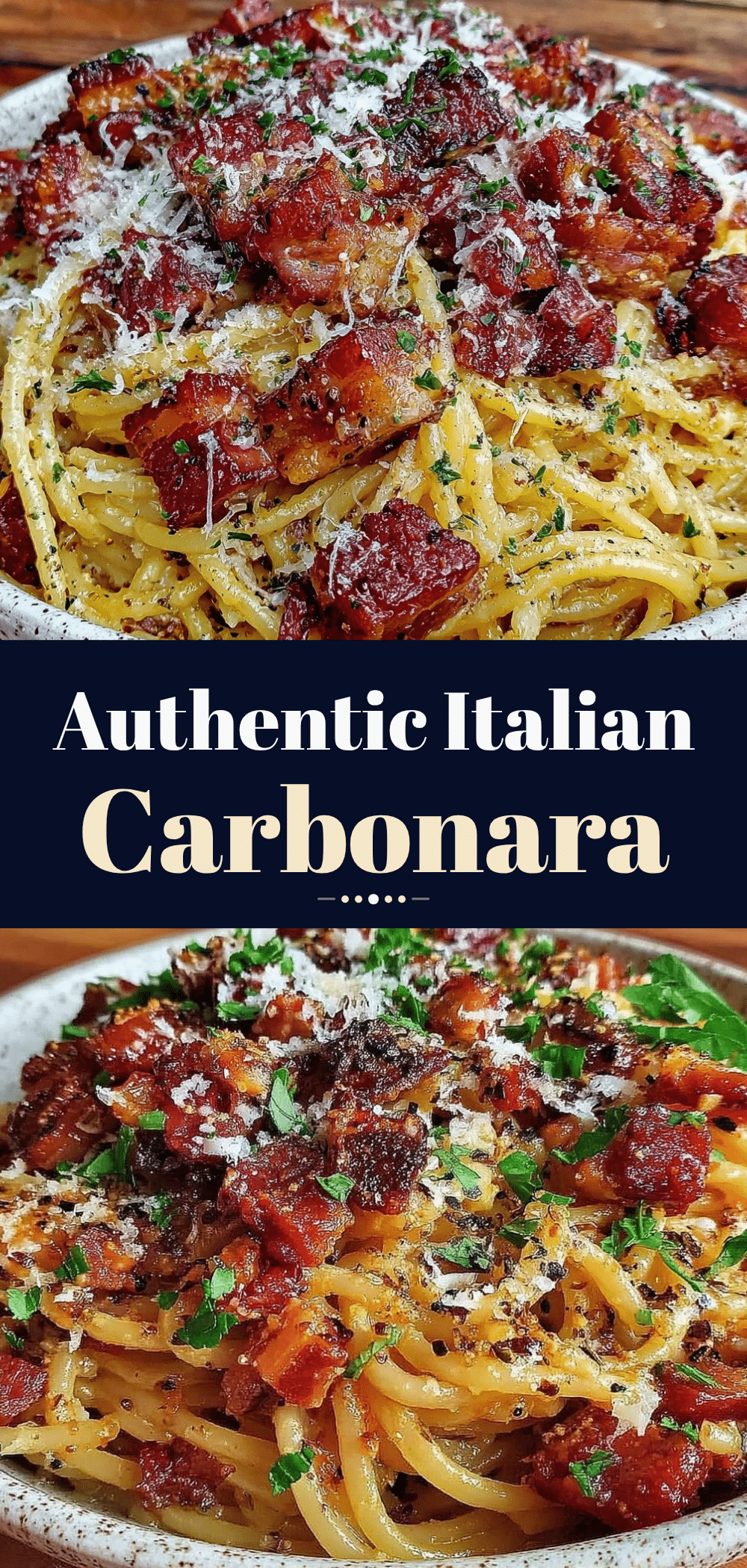
Authentic Italian Carbonara: The Way Nonna Made It
- Total Time: 20 minutes
- Yield: 4 servings 1x
Description
An authentic Roman carbonara made with guanciale, Pecorino Romano, eggs, and black pepper. This recipe creates a creamy sauce without cream, relying on technique and temperature control for the perfect texture.
Ingredients
- 8 ounces (225g) guanciale, cut into strips
- 1 cup (100g) Pecorino Romano, freshly grated
- 3 large egg yolks
- 1 large whole egg
- 1 pound (450g) spaghetti or rigatoni
- 2 teaspoons freshly cracked black pepper
- Salt for pasta water
Instructions
- Cut guanciale into half-inch thick strips. Place in a cold skillet and cook over medium-low heat for 10-12 minutes until golden and crispy. Remove skillet from heat.
- Whisk egg yolks, whole egg, grated Pecorino Romano, and black pepper in a mixing bowl until a thick paste forms.
- Bring a large pot of heavily salted water to a boil. Cook pasta until 1-2 minutes before al dente. Reserve 1 cup of pasta water before draining.
- Temper the egg mixture by slowly whisking in a ladle of hot pasta water to raise the temperature gently.
- Transfer hot drained pasta to the skillet with guanciale. Toss to coat in fat.
- Remove skillet from heat completely and wait 30 seconds. Pour egg mixture over pasta and toss vigorously until a creamy sauce forms. Add more pasta water if needed.
- Serve immediately with extra Pecorino and black pepper.
Notes
Do not use cream. The creaminess comes from the emulsion of eggs, cheese, and starchy pasta water. Ensure the pan is off the heat when adding eggs to prevent scrambling. Serve immediately as leftovers can become greasy.
- Prep Time: 10 minutes
- Cook Time: 10 minutes
- Category: Main Course
- Cuisine: Italian
Nutrition
- Serving Size: 1 plate
- Calories: 650
- Sodium: 850
- Fat: 28
- Saturated Fat: 12
- Carbohydrates: 75
- Protein: 22
Keywords: carbonara, authentic italian pasta, guanciale, pecorino romano, egg pasta, roman cuisine, gluten-free pasta