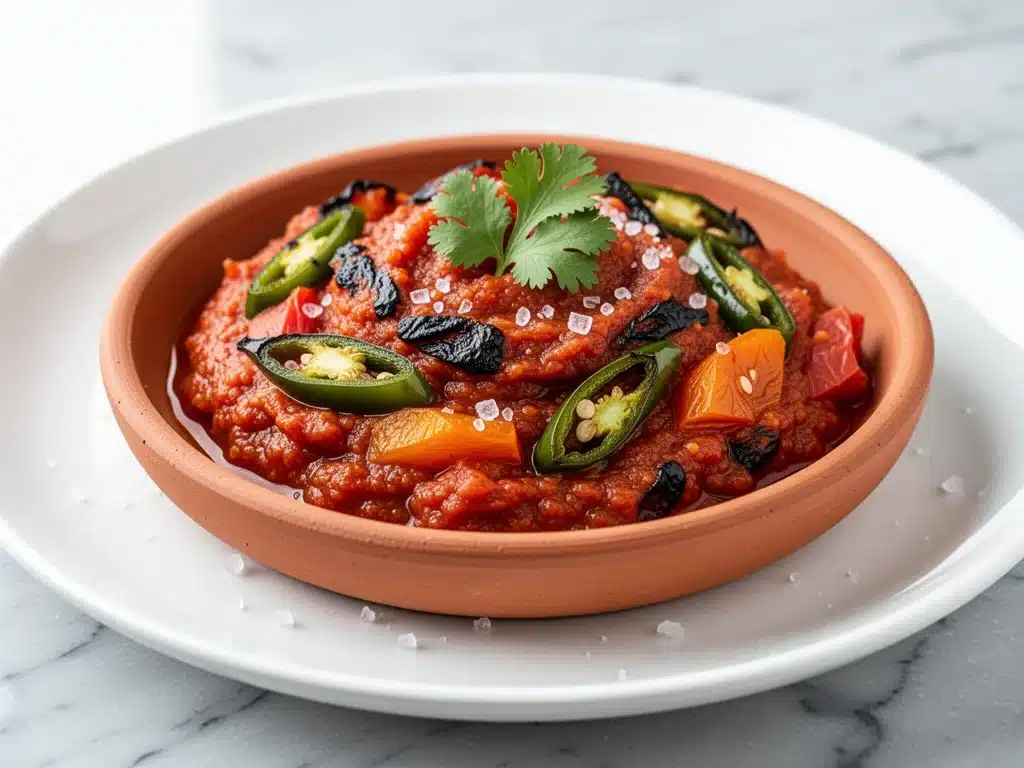
Last July, I was standing on my back porch at 9 PM, sweating through a t-shirt, holding a plastic container of store-bought salsa that tasted like nothing. My friends were lounging on the patio, plates full of chips, and the vibe was supposed to be “relaxed summer evening.” Instead, it felt… flat. The salsa was bright but sharp, lacking that deep, comforting warmth that makes you want to keep reaching for more. I looked at the bag of tomatoes sitting on my counter—overripe, slightly bruised, perfect for sauce but ugly for salads—and I had a thought: What if I just burned them?
I know, I know. “Burn” is a strong word. But I didn’t mean destroy them. I meant char them. I tossed the tomatoes, onions, and jalapeños directly onto the hot grate of our gas grill, left them for ten minutes until the skins blackened and blistered, then scraped them off into a pot. I added lime, cilantro, salt, and a quick blend. The result wasn’t just salsa. It was smoky, complex, and deeply savory. My friend Dave took one bite, paused, and said, “Okay, what is in this? It tastes like summer itself.”
That was the birth of this smoky roasted salsa with charred tomatoes. I’ve made it dozens of times since then—on the grill, under the broiler, and even in the oven on rainy days. But nothing beats that open-fire flavor for summer entertaining. It’s not just a condiment; it’s the star of the show. It’s the reason people ask you for the recipe before they’ve even finished their first drink. And the best part? You don’t need a master chef’s degree. You just need fire, patience, and a willingness to get a little messy.
Why You’ll Love This Charred Tomato Salsa
There are a million salsa recipes out there. Some are fresh and zesty (like a pico de gallo). Some are slow-cooked and sweet. But this smoky roasted salsa with charred tomatoes sits in a category all its own. It’s the one I pull out when I want to impress without stressing. Here’s why it keeps me coming back:
- Effortless Depth — Roasting tomatoes caramelizes their natural sugars and adds a layer of smoke that fresh salsa just can’t mimic. It tastes like it simmered for hours, but it takes less than 30 minutes of active work.
- Zero Waste Kitchen — This is the perfect way to use up those tomatoes that are getting too soft for salads. The char hides imperfections and turns “oops” ingredients into gourmet flavor.
- Make-Ahead Magic — Salsa always tastes better the next day, and this is no exception. The flavors meld overnight, creating a richer, more cohesive taste. I make it the night before a party so I’m not stuck in the kitchen when guests arrive.
- Versatile AF — Sure, it’s great with chips. But I’ve also spooned it over grilled fish, stirred it into scrambled eggs, and used it as a topping for creamy garlic tuscan salmon. It elevates almost anything.
- Customizable Heat — Want it mild? Use a bell pepper and skip the jalapeño seeds. Want it to kick? Roast the jalapeños whole and blend them skin-on. You control the fire.
This isn’t just a side dish. It’s a flavor bomb that brings people together. Whether you’re hosting a BBQ, a pool party, or just a quiet dinner with neighbors, this salsa is your secret weapon.
Ingredients You’ll Need
Here’s the beautiful part: you probably have most of this already. The ingredient list is short, but the quality matters. Since there are only five main components, each one needs to shine.
The Base
Tomatoes (2 pounds / 900g) — I use Roma or plum tomatoes because they have less water and more flesh. If you’re using vine-ripened beefsteak tomatoes, chop them and scoop out the seeds to avoid a watery salsa. Look for tomatoes that are fragrant and soft to the touch—those are the sweet ones.
Yellow Onion (1 medium / about 150g) — White onions work too, but yellow onions caramelize better and add a sweeter, deeper flavor when charred. Cut them into thick wedges so they don’t fall apart on the grill.
Jalapeño Peppers (2 medium) — This is where the heat lives. For mild salsa, remove the seeds and white ribs. For medium heat, leave half the seeds. For “wake up your tastebuds” heat, leave all the seeds and roast them whole. I usually go for medium—enough kick to notice, not enough to make you cry.
The Flavor Builders
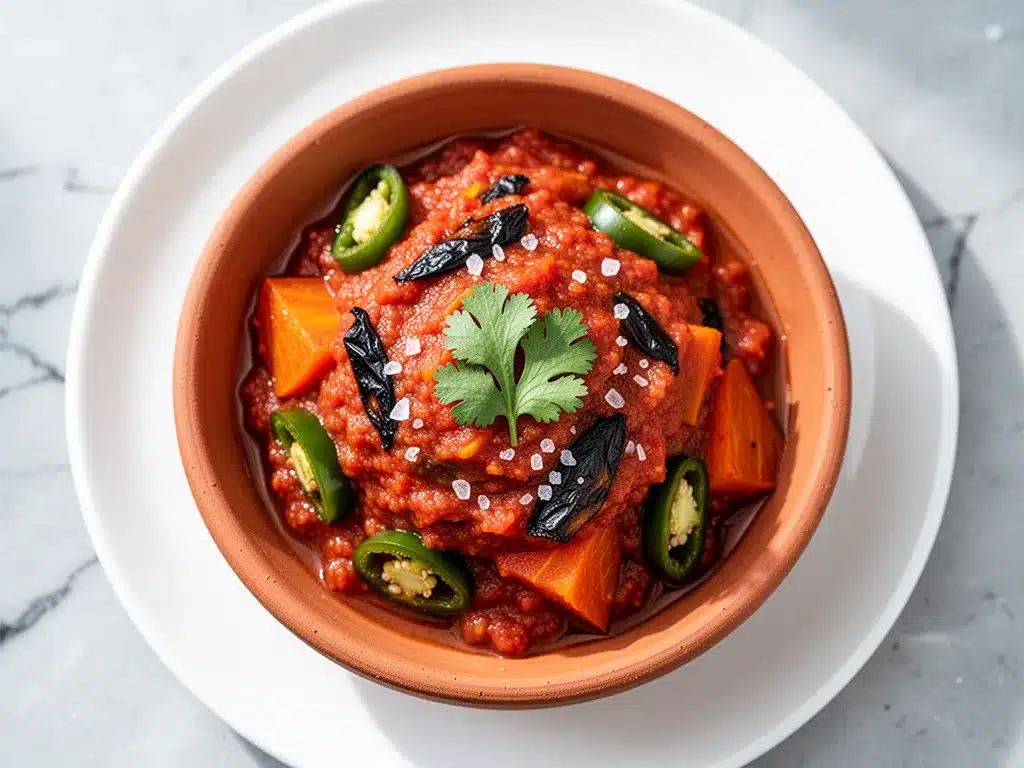
Fresh Cilantro (1 cup, packed / about 30g) — Don’t skip this. The bright, citrusy notes cut through the smokiness. Use the stems too—they have tons of flavor. Just blend them in.
Lime Juice (2-3 tablespoons / 30-45ml) — Fresh lime only. Bottled lime juice tastes flat and artificial. Squeeze it over the roasted veggies while they’re still hot; the heat helps the lime penetrate the flesh.
Garlic (3-4 cloves) — Roast these with the onions. Peeled garlic cloves get sweet and jammy when charred. If you’re worried about burning them, just toss them in the onion wedges—they’ll be protected.
The Seasoning
Sea Salt (1 teaspoon, plus more to taste) — Kosher salt is my go-to because it’s easier to control. Taste as you go. Roasted veggies need more salt than raw ones because the water evaporates and concentrates the flavor.
Cumin (½ teaspoon) — This is the secret weapon. A little toasted cumin adds an earthy, warm note that bridges the gap between the smoky tomatoes and the fresh cilantro. Don’t overdo it, or it’ll taste like taco seasoning.
Black Pepper (½ teaspoon) — Freshly cracked is best. Adds a little bite.
Optional Add-ins
Smoked Paprika (½ teaspoon) — If you’re broiling instead of grilling, this helps mimic that open-fire flavor.
Honey (1 teaspoon) — Only if your tomatoes are super tart. A tiny bit balances the acidity.
Equipment Needed
You don’t need fancy gadgets for this. Here’s what I actually use:
Grill — Gas or charcoal. Charcoal adds more smoke, which is ideal, but gas is more convenient. I use a medium-high heat.
Or Broiler Pan — If you’re cooking indoors or it’s raining, your oven’s broiler works perfectly. Use a baking sheet lined with foil for easy cleanup.
Blender or Food Processor — I prefer a blender for a smoother salsa, but a food processor gives a chunkier texture. Both work. Just don’t overblend—it should still have some body.
Tongs — For turning the veggies on the grill. Metal tongs are best.
Knife and Cutting Board — For prepping the onions and jalapeños.
Measuring Spoons — For the cumin and salt.
How to Make It: Step-by-Step
Alright, let’s make this! It’s simpler than you think. The key is getting those veggies nicely charred without turning them into mush.
Step 1: Prep Your Veggies (10 minutes)
Preheat your grill to medium-high heat (about 400°F / 200°C). If you’re using the oven, set the broiler to high and position the rack 6 inches from the heat source.
Wash the tomatoes, onions, and jalapeños. Leave the tomatoes whole (stem on is fine). Cut the onion into thick wedges, keeping the root end intact so the layers stay together. Leave the jalapeños whole if you want maximum heat, or halve them if you want less.
Toss everything in a bowl with 1 tablespoon of olive oil and a pinch of salt. This helps them char evenly and prevents sticking.
Step 2: Char the Vegetables (15-20 minutes)
On the Grill: Place the tomatoes, onion wedges, and jalapeños directly on the grates. Close the lid if you have a gas grill with a lid (this helps smoke the veggies). Cook for 3-4 minutes per side, turning occasionally, until the skins are blackened and blistered and the onions are tender. The tomatoes should be soft enough to squeeze gently but not falling apart. You want that deep, black char—don’t be shy. That’s where the flavor is.
In the Oven: Spread the veggies in a single layer on a baking sheet. Broil for 5-7 minutes, then flip. Broil for another 5-7 minutes until charred and tender. Watch them closely! Broilers vary wildly, and you don’t want them to turn to ash.
Pro Tip: If the onions are charring faster than the tomatoes, move the tomatoes to a cooler part of the grill or take them off early. Onions can handle high heat better.
Step 3: Peel and Chop (5 minutes)
Transfer the roasted veggies to a bowl. Let them cool for 5 minutes. The tomato skins will slip off easily now—just pinch and pull. You don’t need to remove every single piece, but take off the big blackened patches.
Discard the charred stems and any burnt bits you don’t like. If you used whole jalapeños and want less heat, slice them open and scrape out the seeds now.
Step 4: Blend It Up (2 minutes)
Put the roasted veggies into your blender or food processor. Add the fresh cilantro, lime juice, garlic, cumin, salt, and pepper.
Pulse a few times. Don’t just hit “blend” and walk away. You want to check the texture. For a chunky salsa, pulse 5-10 times. For a smoother salsa, blend for 15-20 seconds. Taste it. Does it need more salt? More lime? Add it now.
Step 5: Rest and Serve (10 minutes)
Transfer the salsa to a serving bowl. Let it sit for 10 minutes before serving. This allows the flavors to meld. The smokiness will soften, the lime will brighten, and the cilantro will integrate. Serve with tortilla chips, or spoon it over your favorite dishes.
Expert Tips & Tricks
I’ve made this salsa enough times to know what goes wrong. Here’s how to avoid my mistakes:
- Don’t Under-Roast — I used to take the veggies off too early, thinking I wanted them “al dente.” Wrong. They need to be soft and smoky. If they’re not charred, you’re just making warm salsa. Get them dark.
- Balance the Acid — Roasting tomatoes makes them sweeter but less acidic. You might need more lime juice than you think. Taste after blending and add lime until it “pops.”
- Handle Jalapeños Carefully — Wear gloves if you have sensitive skin. Roasting concentrates the capsaicin, so the fumes can be strong. Don’t rub your eyes!
- Use a Food Processor for Chunky Salsa — Blenders tend to puree everything into a soup. If you want texture, use a food processor or even chop the veggies by hand after roasting.
- Let It Rest — I know you want to eat it now. But wait 10 minutes. The difference is noticeable. The flavors need time to marry.
Common Mistake: Salsa is too watery.
Fix: Roast the veggies longer to evaporate more water. Or, after blending, let the salsa sit in a fine-mesh strainer for 10 minutes to drain excess liquid.
Common Mistake: Salsa is too spicy.
Fix: Add more tomatoes or a little honey to balance the heat. Next time, use fewer jalapeño seeds.
Variations & Substitutions
Once you’ve nailed the basic version, here’s how you can mix it up. I’ve tried all of these:
Roasted Poblano Salsa
Swap the jalapeños for poblanos. They’re milder and sweeter, with a rich, earthy flavor. Great for kids or heat-sensitive palates.
Tomatillo Salsa
Add 1 cup of roasted tomatillos. This makes it tangier and more like a traditional salsa verde. Roast the tomatillos until they’re soft and slightly browned.
Smoky Chipotle Version
Add 1 canned chipotle pepper in adobo sauce to the blender. This amps up the smoke and adds a deep, spicy kick. Amazing with cheesy baked chicken parmesan sliders.
Vegan & Gluten-Free
This recipe is naturally vegan and gluten-free. Just make sure your chips are certified gluten-free if you’re serving them.
Roasted Corn Salsa
Add 1 cup of roasted corn kernels after blending. This adds sweetness and crunch. Great for summer BBQs.
Serving & Storage
How to Serve: I usually serve this in a small bowl with a side of tortilla chips. But it’s also great as a topping for tacos, burritos, grilled chicken, or even cheddar broccoli rice egg cups for a savory breakfast twist.
Side Dishes: Pair with grilled steak, fish tacos, or homemade turkey stackers for a complete meal.
Storage: Store in an airtight container in the fridge for up to 5 days. The flavor actually improves after day 2.
Freezing: Yes, you can freeze it! Portion into ice cube trays for easy use in soups or stews later. Thaw in the fridge before using.
Nutrition Information
I’m not a nutritionist, but here’s the breakdown if you’re tracking. This is a low-calorie, nutrient-dense condiment.
Per Serving (approx. 2 tablespoons):
- Calories: 15
- Protein: 0.5g
- Carbs: 3g
- Fiber: 1g
- Sugar: 2g
- Fat: 0.5g
What’s Good: High in vitamins A and C from the tomatoes. Low in calories. Great source of antioxidants from the roasted veggies.
What to Know: Sodium content depends on how much salt you add. Use low-sodium broth if you’re watching salt.
My Take: This is basically a vegetable side dish that tastes like candy. Eat it guilt-free.
Final Thoughts
So that’s my go-to smoky roasted salsa with charred tomatoes! It’s simple, it’s delicious, and it’s perfect for summer entertaining. I’ve made it for backyard BBQs, pool parties, and quiet dinners. Every time, it’s a hit. The smokiness brings people in, and the freshness keeps them coming back.
Make it yours! Adjust the heat, add corn, swap the peppers. The best recipes are the ones you adapt to your family’s tastes. If you make this, drop a comment and let me know what you think! I love hearing how recipes turn out in your kitchen.
Happy cooking! And I hope your kitchen smells half as good as mine does right now.
Frequently Asked Questions
Can I make this salsa without a grill?
Absolutely. Use your oven’s broiler. It gives a similar char, though maybe not as much smoke. If you want more smokiness, add a pinch of smoked paprika or a dash of liquid smoke (just a few drops!).
Why is my salsa too watery?
Tomatoes have a lot of water. If yours are very juicy, roast them longer to evaporate the moisture. You can also scoop out the seeds before roasting. After blending, let the salsa sit in a strainer for 10 minutes to drain.
Can I use canned tomatoes instead of fresh?
Not really. Canned tomatoes are already cooked and soft, so they won’t char properly. You need the fresh texture to get that blistered skin and smoky flavor. If you must, use high-quality canned whole peeled tomatoes and roast them in a hot skillet until browned, but fresh is best.
How spicy is this salsa?
It depends on the jalapeños. If you remove the seeds and ribs, it’s mild. If you leave them in, it’s medium. For hot, use serrano peppers instead of jalapeños, or add a habanero. Always taste and adjust!
Can I make this ahead of time?
Yes! In fact, it’s better the next day. Make it 1-2 days before your party. Store in the fridge in an airtight container. Let it come to room temperature before serving for the best flavor.
Pin This Recipe!
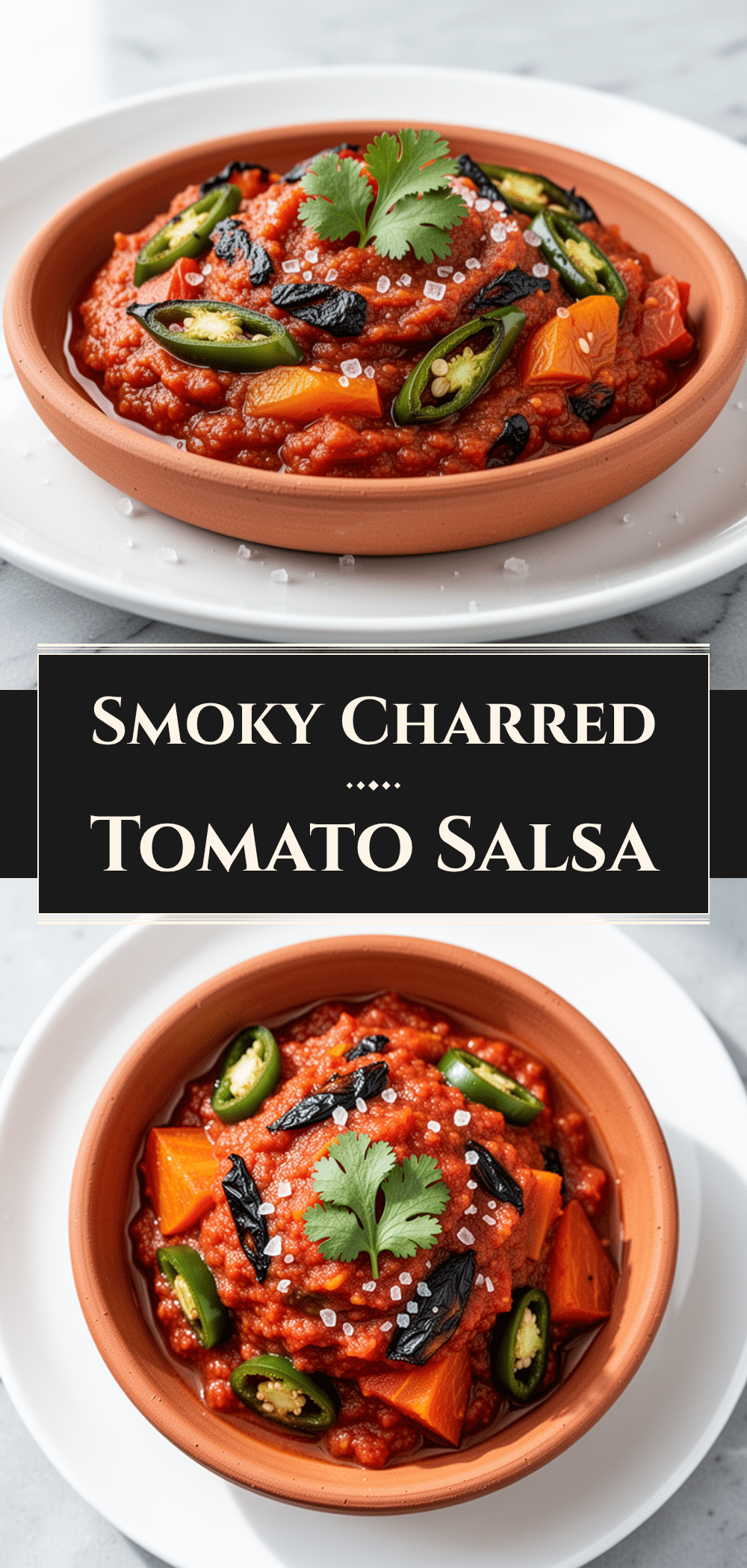
Smoky Roasted Salsa: 5-Step Charred Tomatoes
- Total Time: 30 minutes
- Yield: Makes approx. 2 cups
Description
A smoky, complex, and deeply savory salsa made by charring fresh tomatoes, onions, and jalapeños on a grill or under a broiler. This recipe transforms overripe tomatoes into a gourmet condiment that pairs perfectly with chips, tacos, or grilled meats.
Ingredients
- 2 pounds Roma or plum tomatoes
- 1 medium yellow onion, cut into thick wedges
- 2 medium jalapeño peppers
- 1 cup fresh cilantro, packed (stems included)
- 2–3 tablespoons fresh lime juice
- 3–4 cloves garlic, peeled
- 1 teaspoon sea salt (plus more to taste)
- 1 tablespoon olive oil
- ½ teaspoon cumin
- ½ teaspoon black pepper
- Optional: ½ teaspoon smoked paprika
- Optional: 1 teaspoon honey
Instructions
- Preheat your grill to medium-high heat (400°F / 200°C) or set your oven broiler to high with the rack 6 inches from the heat source.
- Wash the tomatoes, onions, and jalapeños. Leave tomatoes whole. Cut onions into thick wedges keeping the root end intact. Leave jalapeños whole or halve them depending on desired heat level.
- Toss all vegetables in a bowl with 1 tablespoon of olive oil and a pinch of salt.
- Char the vegetables: On the grill, cook for 3-4 minutes per side until skins are blackened and blistered and onions are tender. In the oven, spread in a single layer and broil for 5-7 minutes, flip, then broil another 5-7 minutes until charred and tender.
- Transfer roasted veggies to a bowl and let cool for 5 minutes. Peel off loose tomato skins and discard charred stems or burnt bits. Remove jalapeño seeds if a milder salsa is desired.
- Place roasted veggies into a blender or food processor. Add cilantro, lime juice, garlic, cumin, salt, and pepper.
- Pulse or blend until desired consistency is reached (chunky or smooth). Taste and adjust seasoning with more salt or lime if needed.
- Transfer salsa to a serving bowl and let rest for 10 minutes to allow flavors to meld before serving.
Notes
For best flavor, let the salsa rest for 10 minutes before serving to allow flavors to meld. It tastes even better the next day. If the salsa is too watery, roast vegetables longer to evaporate moisture or strain excess liquid. Wear gloves when handling jalapeños to avoid skin irritation.
- Prep Time: 10 minutes
- Cook Time: 20 minutes
- Category: Appetizer
- Cuisine: Mexican
Nutrition
- Serving Size: 2 tablespoons
- Calories: 15
- Sugar: 2
- Sodium: 140
- Fat: 0.5
- Carbohydrates: 3
- Fiber: 1
- Protein: 0.5
Keywords: smoky roasted salsa, charred tomato salsa, grilled salsa, fresh salsa, summer recipes, vegan salsa, gluten-free salsa, easy salsa recipe