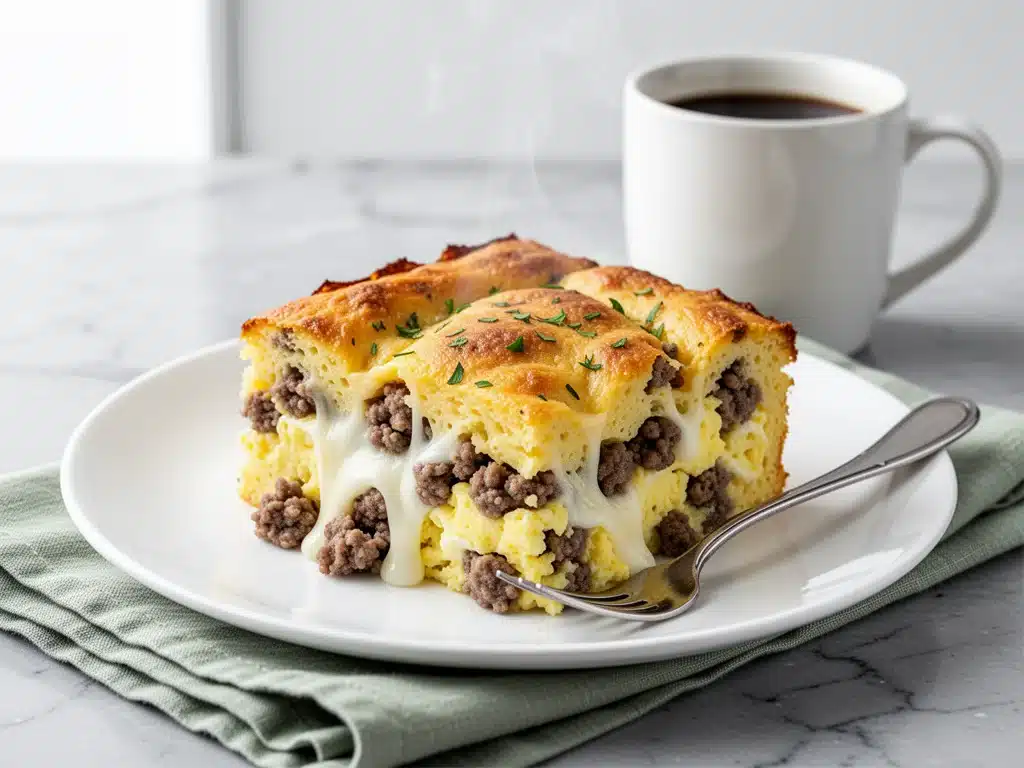
It was 6:15 AM on a Tuesday, and I was standing in my kitchen in a state of absolute panic. My kids were still asleep, but my brain was already racing through the morning logistics: school drop-offs, the email I hadn’t sent, the laundry mountain waiting in the bedroom. I was starving, but the thought of chopping vegetables, heating a pan, and flipping eggs felt like climbing Mount Everest before my first cup of coffee.
So, I did what any exhausted parent does: I grabbed a granola bar, threw it in the microwave for ten seconds just to soften it up (don’t judge me), and ate it standing over the sink. It tasted like cardboard and regret.
That was the breaking point. I realized I was spending my most precious morning hours stressing over breakfast instead of enjoying it. I wanted something warm, something savory, something that didn’t involve a skillet. I wanted the comfort of a hearty breakfast but the convenience of just grabbing a plate and going.
That morning, I threw together a rough draft of what would become my Never-Soggy Sausage Egg Breakfast Casserole. I had some leftover breakfast sausage, a bag of hash browns, and four eggs. I dumped it all in a dish, threw it in the oven, and went back to bed. When the timer went off, the house smelled like a diner, and I had a full, hot breakfast ready with zero active effort.
I made it again the next day. And the next. Three weeks later, this casserole is the anchor of our weekday mornings. It’s the reason I can actually wake up before the kids. It’s the reason I don’t feel guilty about skipping the “perfect” breakfast routine. It just works. And the best part? It’s never soggy. I’ve tested this recipe enough times to know exactly how to keep the eggs fluffy and the potatoes crisp. If you’re tired of rubbery egg muffins or cold toast, you need to make this. It’s changed our lives, seriously.
Why You’ll Love This Make-Ahead Casserole
Look, I’m not going to pretend this is a gourmet experience. It’s not going to win a culinary award. But it solves the biggest problem parents face in the morning: time. Here’s why this sausage egg casserole has earned a permanent spot in our weekly rotation.
- Actually Make-Ahead Friendly — Most breakfast casseroles turn into a weird, wet mess if you make them the night before. Not this one. The structure holds up perfectly. I can assemble it at 8 PM, put it in the fridge, and bake it at 7 AM. The texture stays intact.
- Zero Morning Stress — The active time is literally 15 minutes. That’s it. You chop, you mix, you bake. While it’s cooking, you’re brushing teeth, packing lunches, and finding shoes. I’ve baked this while helping my daughter with her math homework. It’s that forgiving.
- Freezes Like a Dream — This isn’t just good for one morning. I make a double batch, freeze half, and have breakfast covered for weeks. Reheating is as easy as popping a slice in the microwave for 90 seconds. It tastes fresh, not microwaved.
- Kid-Approved (Even the Picky Ones) — My son usually refuses anything with “eggs” in the name unless it’s scrambled. He loves this because it feels like a savory treat. The sausage and cheese make it taste indulgent, even though it’s basically just eggs and potatoes.
- Uses What You Have — I don’t buy special ingredients for this. I use whatever sausage is on sale, whatever cheese I have half a bag of, and frozen hash browns or potatoes. It’s the ultimate “clean out the fridge” breakfast.
It’s my answer to “what’s for breakfast?” when I’m tired, lazy, and still want to feed my family something hot and nutritious. No fancy techniques, no weird ingredients, just reliable, delicious food that starts the day right.
Ingredients You’ll Need
Here’s the thing about this recipe: it’s incredibly forgiving. You don’t need a shopping trip. You probably have most of this in your pantry or freezer. I’m particular about a few things, but mostly, this is about comfort food basics.
For the Base
Breakfast sausage (1 pound / 450g) — I use pork breakfast sausage links, removed from their casings. It’s the standard for a reason—it’s seasoned perfectly for breakfast. If you’re doing leaner, turkey sausage works too, but pork has better flavor. Brown it well; you want those crispy bits.
Hash browns or diced potatoes (2 cups / 250g) — I use frozen shredded hash browns because they cook evenly and don’t need pre-boiling. If you use fresh diced potatoes, you’ll need to par-boil them for 5 minutes first so they’re tender in the oven. Don’t skip this step with fresh potatoes, or you’ll have raw potato centers.
Large eggs (6 large / approx 300g) — Room temperature eggs are ideal, but I rarely wait for that. Cold eggs work fine. Don’t use small or extra-large unless you adjust the count slightly.
Heavy cream or half-and-half (½ cup / 120ml) — This is what keeps the eggs creamy and not rubbery. I prefer half-and-half for a slightly lighter texture, but heavy cream makes it richer. Whole milk works if you’re watching calories, but the eggs will be less fluffy.
Salt and black pepper — To taste. The sausage is already salty, so start with less salt than you think you need.
For the Flavor and Cheese
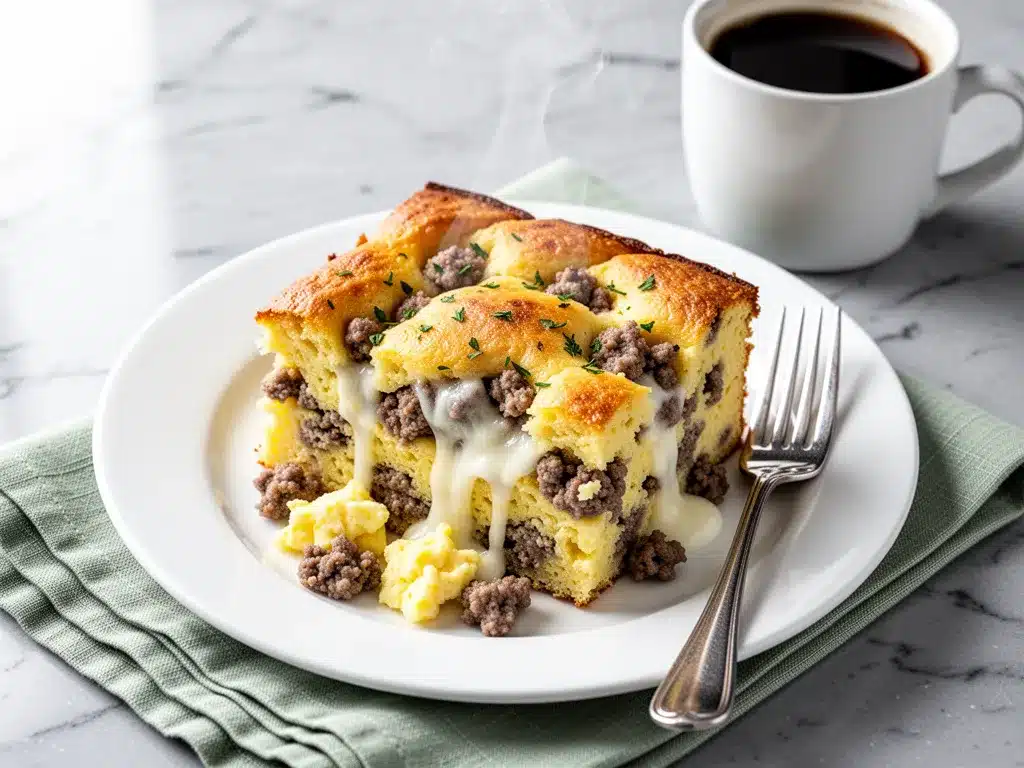
Cheddar cheese (1 cup / 100g, shredded) — Sharp cheddar is my go-to because it cuts through the richness of the eggs. I shred my own from a block. Pre-shredded cheese has anti-caking agents that prevent it from melting smoothly, and I want that gooey, cheesy pull.
Onion (1 medium yellow onion, diced / about 150g) — Sweet onion works too if you’re sensitive to strong onion flavors. This adds the savory base note. I sauté it with the sausage for maximum flavor.
Garlic (2 cloves, minced / about 1 tablespoon) — Fresh garlic only. Jarred garlic has a metallic taste that really shows up in simple egg dishes. Two cloves is perfect—enough to taste, not enough to overpower.
Optional Add-ins
Bell peppers (½ cup, diced) — Red or green peppers add a nice crunch and color. I usually add these with the onions.
Fresh herbs (1 tablespoon, chopped) — Chives or parsley added at the end brighten up the dish. I keep chives on hand specifically for this.
Bacon bits (½ cup, crumbled) — For bacon lovers. I sometimes mix sausage and bacon for the ultimate savory bomb.
Equipment Needed
You don’t need fancy gadgets for this. Here’s what I actually use, and what works.
9×13-inch baking dish — This is the standard size. Glass works well because you can see the bottom browning. Ceramic is great for heat retention. Avoid metal if you can, as it can sometimes overcook the edges.
Large skillet — 12-inch is best for cooking the sausage and onions. I use cast iron for the best browning, but stainless steel works fine too.
Mixing bowl — A large bowl for whisking the eggs. Glass or plastic is fine.
Whisk — For beating the eggs until they’re smooth. Fork works in a pinch, but whisk is faster.
Sharp knife and cutting board — For dicing onions and peppers. Dull knives make you cry more—learned this the hard way with onions.
Grater — Box grater for the cheese. Or food processor if you’re grating lots of cheese quickly.
Measuring cups and spoons — Standard stuff. Dollar store versions work fine.
How to Make It: Step-by-Step
Alright, let’s make this! I’m walking you through exactly how I do it, including the little tricks I’ve picked up to ensure it’s never soggy.
Step 1: Prep Your Oven and Pan (5 minutes)
Preheat your oven to 350°F (175°C). Grease your 9×13 baking dish with butter or non-stick spray. I use butter because it adds flavor. Set it aside while you cook the sausage.
Step 2: Cook the Sausage and Veggies (8-10 minutes)
Heat a large skillet over medium-high heat. Add the raw sausage, breaking it up with a spoon as it cooks. You want it browned and crispy, not pale and steamed. This takes about 5-7 minutes. Once the sausage is cooked, remove it with a slotted spoon, leaving the fat in the pan. (If there’s too much grease, drain some, but leave a little for flavor.)
In the same skillet, add the diced onions (and peppers if using) to the sausage fat. Sauté for 3-4 minutes until softened and translucent. Add the minced garlic in the last minute—don’t let it burn, or it’ll taste bitter.
Step 3: Combine the Base
Spread the hash browns (or par-boiled potatoes) evenly in the bottom of your greased baking dish. Sprinkle the cooked sausage and onion mixture over the potatoes. This ensures the savory bits are distributed throughout, not just on top.
Step 4: Whisk the Egg Mixture
In your mixing bowl, crack the eggs. Add the heavy cream (or half-and-half), salt, and pepper. Whisk vigorously for about 30 seconds until the mixture is uniform and slightly frothy. This incorporates air, which helps with fluffiness.
Step 5: Assemble and Bake
Pour the egg mixture evenly over the potato and sausage layer. Sprinkle the shredded cheddar cheese on top. Do not press the cheese down; let it sit on top so it gets golden and bubbly.
Bake for 35-40 minutes. The casserole is done when the eggs are set (no jiggly center) and the top is golden brown. If the top is browning too fast but the center is still runny, cover it loosely with foil for the last 10 minutes.
Step 6: Rest and Serve
Let the casserole rest for 5-10 minutes before cutting. This is crucial. If you cut it immediately, the eggs will slump and it might look messy. Resting lets the structure set, making clean slices.
Total Time: About 50 minutes (15 minutes active, 35 minutes baking)
Expert Tips & Tricks for Success
Here’s everything I’ve learned from making this dozens of times. These tips will save you from my mistakes.
The Soggy Potato Problem
If you use fresh potatoes, you MUST par-boil them. Raw potatoes in a casserole often don’t cook through before the eggs dry out. Cut them into small, uniform cubes (½ inch), boil for 5 minutes, drain well, and pat dry. The drier they are, the better they’ll absorb the egg mixture without making it watery.
Don’t Overcrowd the Pan
When browning the sausage, don’t crowd the skillet. If you put too much in at once, it steams instead of browning. You want those flavorful browned bits. If you have a lot of sausage, cook it in two batches.
Room Temperature Eggs
I know, I said this before, but it matters. Cold eggs dropped into a cold pan can lead to uneven cooking. If you’re assembling the night before, take the eggs out of the fridge an hour ahead. If you’re baking in the morning, just whisk them well—cold eggs still work, they just take a minute longer to set.
The Cheese Choice
Avoid pre-shredded cheese. It’s coated in potato starch to prevent clumping, which stops it from melting properly. You’ll end up with little dry shreds instead of a smooth, creamy layer. Buy a block of cheddar and grate it. It takes 2 minutes and makes a huge difference.
Common Mistakes (and how to avoid them)
Mistake: Eggs are rubbery. Fix: You cooked it too long or at too high a temperature. Keep the oven at 350°F and check at 35 minutes. The eggs should be just set, not firm.
Mistake: Bottom is soggy. Fix: Your pan wasn’t greased enough, or the potatoes were too wet. Par-boiled potatoes need to be patted dry. Also, ensure your oven is fully preheated.
Mistake: Top burns before center sets. Fix: Cover with foil. It’s a simple fix that saves the dish.
Variations & Substitutions
Once you’ve nailed the basic version, here’s how you can mix it up. I’ve tried all of these.
Ham and Swiss Version
Swap the sausage for diced ham and the cheddar for Swiss cheese. This tastes more like a breakfast quiche. Add a pinch of nutmeg to the eggs for extra depth.
Veggie-Loaded
Add 1 cup of spinach or kale to the onion mixture. The greens wilt down and add nutrients without changing the texture. I do this to sneak in some veggies for the kids.
Spicy Kick
Use jalapeño cheese instead of cheddar, and add diced jalapeños to the mix. If you like heat, use spicy breakfast sausage. This is my go-to when I want something with a bit more zing.
Gluten-Free
This recipe is naturally gluten-free if you use gluten-free sausage (check labels, as some fillers contain wheat) and ensure your hash browns are GF. Most plain hash browns are just potatoes, but some brands add wheat starch.
Dairy-Free
Replace the eggs with a tofu scramble base (blend firm tofu with turmeric and nutritional yeast). Use dairy-free cheese and oil instead of butter. It’s different but still tasty. My lactose-intolerant friend requests this version often.
Breakfast Burrito Style
Add black beans and salsa to the mix. Top with sour cream after baking. It’s a fun twist that tastes like a burrito bowl.
Serving & Storage
How to Serve: I usually serve this straight from the baking dish at the table—it looks rustic and stays warm. But here are other ways I’ve enjoyed it:
Side Dishes: It’s a complete meal on its own, but if you want sides, fresh fruit salad or toast with jam works well. A simple green salad with vinaigrette cuts the richness.
Toppings Bar: When I have guests, I put out hot sauce, fresh chives, and extra cheese. Everyone customizes their slice.
Refrigerator: Store leftovers in an airtight container for up to 4 days. The casserole firms up in the fridge, which is perfect for slicing.
Reheating: The best method is the microwave. Slice a piece, put it on a plate, and heat for 60-90 seconds. It stays moist and fluffy. If you’re reheating the whole dish, cover it with a damp paper towel to prevent drying out. Avoid the oven for reheating single slices—it takes too long and can dry them out.
Freezing: This freezes beautifully. I bake the casserole, let it cool completely, then cut it into individual portions. Wrap each slice tightly in plastic wrap, then put them in a freezer bag. They last for 2 months. To reheat, thaw in the fridge overnight and microwave. Alternatively, you can freeze the unbaked casserole, but the texture of the potatoes might be slightly softer. I prefer baking first, then freezing.
Nutrition Information
I’m not a nutritionist, but here’s the breakdown if you’re tracking. This is per slice (based on 9 servings).
Calories: 280
Protein: 18g
Carbs: 15g
Fiber: 2g
Sugar: 2g
Fat: 18g
Saturated Fat: 8g
Cholesterol: 220mg
Sodium: 580mg
What’s Good: High protein from eggs and sausage, which keeps you full. Calcium from the cheese. It’s a balanced meal that doesn’t spike blood sugar like a pastry would.
What to Know: Higher in sodium due to the sausage and cheese. Use low-sodium sausage and cheese if you’re watching salt. It’s calorie-dense because of the fat content, but that’s what makes it satisfying.
My Take: Look, this is breakfast comfort food. It’s not a diet recipe. But it’s way better than a donut, costs less, and I know exactly what’s in it. When I want to make it lighter, I use turkey sausage and half-and-half. But usually? I just enjoy a slice and move on with my day.
Final Thoughts
So that’s my go-to Never-Soggy Sausage Egg Breakfast Casserole! I’ve probably talked your ear off at this point, but when you make a recipe this often, you have a lot to say about it.
This has saved my mornings more times than I can count. It’s my answer to “what’s for breakfast?” when I’m tired, don’t want to cook, and still want something that tastes really good. My kids are happy, my husband’s happy, and I’m happy because I’m not stressed about cooking.
Make it yours! Try different add-ins, swap in your favorite vegetables, adjust the spice level. The best recipes are the ones you adapt to your family’s tastes. If you make this, drop a comment and let me know what you think! I love hearing how recipes turn out in your kitchen. And if something doesn’t work, tell me that too—I’m here to help troubleshoot.
Happy cooking! And I hope your kitchen smells half as good as mine does right now.
Frequently Asked Questions
Can I use frozen hash browns directly?
Yes, frozen shredded hash browns are perfect for this recipe. You don’t need to thaw them. Just spread them in the pan and they’ll cook through in the oven. If you use diced frozen potatoes, you might need to add 5-10 minutes to the baking time to ensure they’re tender.
Why did my casserole turn out watery?
This usually happens if the potatoes were too wet (if you par-boiled them and didn’t dry them) or if you used too much liquid. Make sure you drain the sausage well after cooking. Also, don’t add extra milk or cream beyond the recipe amount. The eggs provide enough moisture.
Can I make this the night before?
Absolutely. Assemble the casserole, cover it tightly with plastic wrap and foil, and refrigerate overnight. In the morning, take it out of the fridge 20 minutes before baking to take the chill off. You may need to add 5-10 minutes to the baking time since it’s starting cold.
How do I reheat leftovers without them getting dry?
Always reheat in the microwave. Place a slice on a microwave-safe plate, cover it with a damp paper towel, and heat for 60-90 seconds. The steam from the paper towel keeps the eggs moist. Avoid the oven for single slices—it dries them out.
Can I use turkey sausage?
Yes, turkey sausage works great. It’s leaner, so it might be less flavorful than pork. I recommend adding a little extra salt and pepper to compensate. It’s a healthier option and still tastes delicious.
What cheese is best for this?
Sharp cheddar is the classic choice. Monterey Jack or Pepper Jack also work well. Avoid soft cheeses like brie or mozzarella, as they don’t provide the same structure and flavor. Harder cheeses melt better and hold up in the casserole.
Can I double this recipe?
Yes, but you’ll need a larger baking dish (like a 9×13 and a smaller 8×8, or two 9x13s). The baking time might increase by 5-10 minutes. Check for doneness by inserting a knife in the center—it should come out clean.
Pin This Recipe!
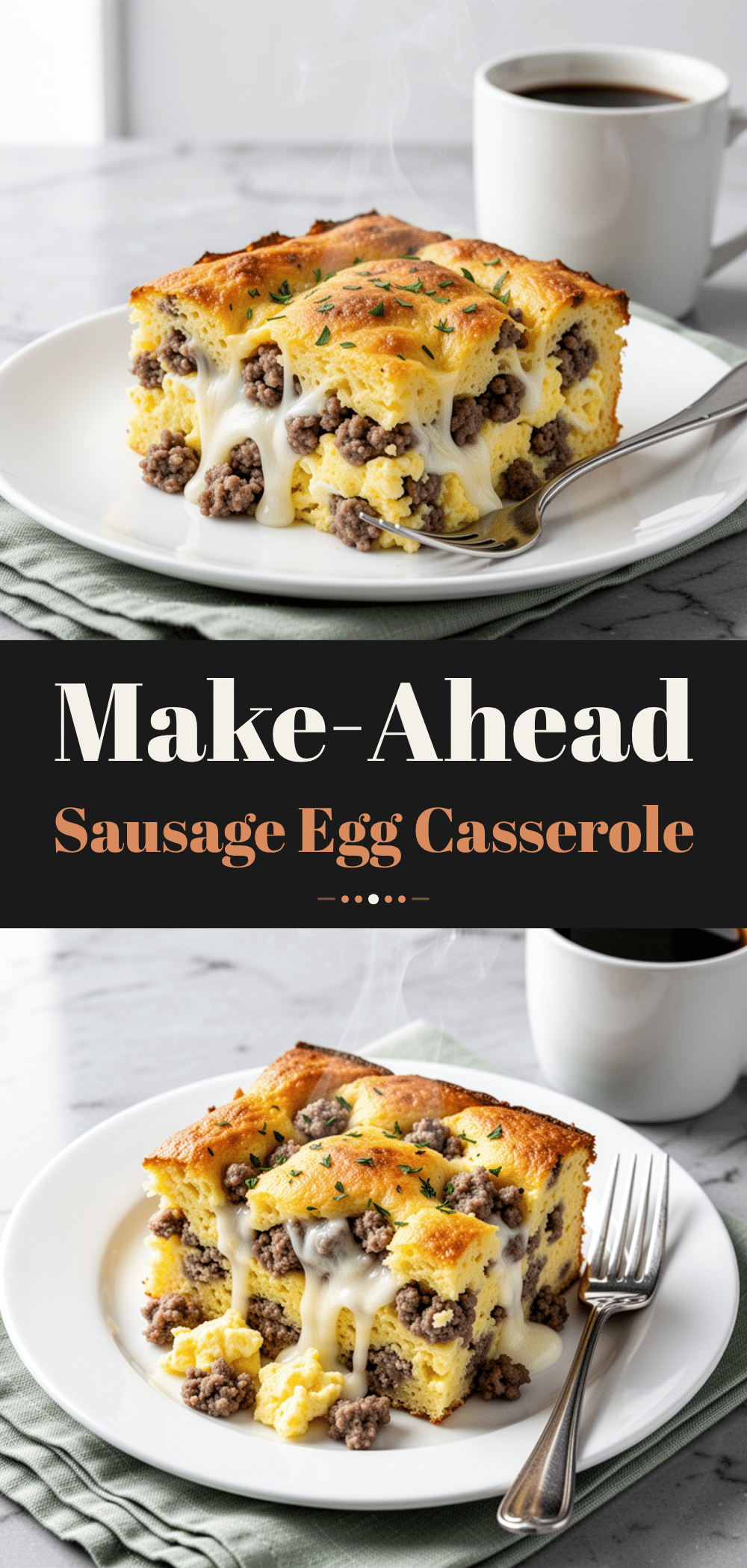
Never-Soggy Sausage Egg Breakfast Casserole: Easy Make-Ahead
- Total Time: 50 minutes
- Yield: 9 servings 1x
Description
A make-ahead breakfast casserole that stays fluffy and crisp, avoiding the common pitfalls of soggy eggs and raw potatoes. Perfect for busy mornings and freezing for later.
Ingredients
- 1 pound breakfast sausage (pork or turkey)
- 2 cups frozen shredded hash browns (or 2 cups diced potatoes, par-boiled)
- 6 large eggs
- 1/2 cup heavy cream or half-and-half
- 1 cup shredded cheddar cheese
- 1 medium yellow onion, diced
- 2 cloves garlic, minced
- Salt and black pepper to taste
- Optional: 1/2 cup diced bell peppers, 1 tablespoon fresh herbs (chives/parsley), 1/2 cup crumbled bacon bits
Instructions
- Preheat oven to 350°F (175°C). Grease a 9×13-inch baking dish with butter or non-stick spray.
- Heat a large skillet over medium-high heat. Cook the sausage, breaking it up, until browned and crispy (5-7 minutes). Remove sausage with a slotted spoon, leaving fat in the pan.
- In the same skillet, sauté the diced onions (and peppers if using) in the sausage fat for 3-4 minutes until softened. Add minced garlic in the last minute.
- Spread hash browns evenly in the bottom of the prepared baking dish. Sprinkle the cooked sausage and onion mixture over the potatoes.
- In a mixing bowl, whisk eggs, cream, salt, and pepper vigorously for 30 seconds until frothy.
- Pour the egg mixture evenly over the potato and sausage layer. Sprinkle shredded cheddar cheese on top.
- Bake for 35-40 minutes until eggs are set and top is golden brown. If browning too fast, cover loosely with foil for the last 10 minutes.
- Let rest for 5-10 minutes before cutting to allow structure to set.
Notes
If using fresh diced potatoes, par-boil them for 5 minutes and pat dry to prevent sogginess. Do not use pre-shredded cheese as it contains anti-caking agents that prevent smooth melting. For make-ahead, assemble the night before and refrigerate; add 5-10 minutes to baking time if starting cold.
- Prep Time: 15 minutes
- Cook Time: 35 minutes
- Category: Breakfast
- Cuisine: American
Nutrition
- Serving Size: 1 slice
- Calories: 280
- Sugar: 2
- Sodium: 580
- Fat: 18
- Saturated Fat: 8
- Carbohydrates: 15
- Fiber: 2
- Protein: 18
Keywords: breakfast casserole, make-ahead breakfast, sausage egg casserole, easy breakfast, freezer friendly, gluten-free option