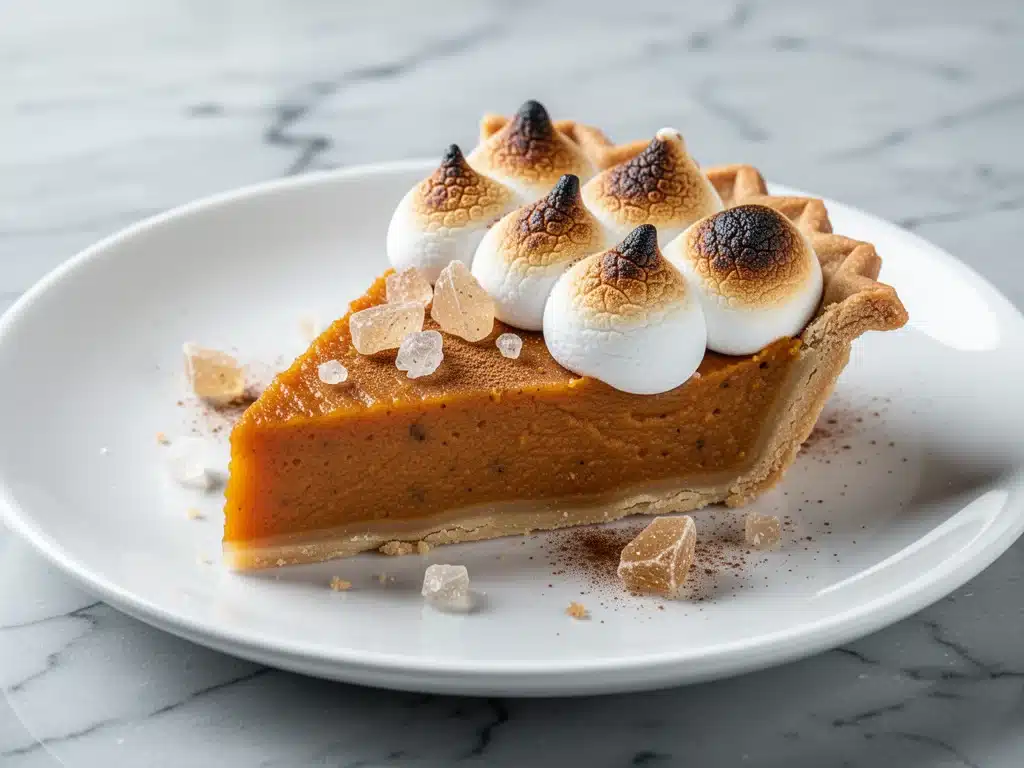
My mother-in-law has a sweet potato pie that she refuses to share the recipe for. Not because she’s mean, but because she’s convinced that if she writes it down, it’ll lose its “magic.” For years, I tried to reverse-engineer it, buying every kind of sweet potato from the farmer’s market, testing three different crusts, and even trying to substitute maple syrup for brown sugar (huge mistake). I nearly gave up until I realized that the secret wasn’t in some obscure ingredient—it was in the ratio of brown sugar to spice and the way the filling was baked.
That was five years ago. Since then, I’ve made this fall brown sugar sweet potato pie for Thanksgiving, Christmas, and random Tuesday nights when I just need a hug in dessert form. It’s become the one pie that actually gets eaten, not just stared at and pushed around the plate. The crust is flaky and buttery, but the filling? That’s where the magic happens. It’s rich, deeply caramelized, and has that perfect balance of earthy sweetness and warm spice that screams autumn.
I’ve tested this recipe at least twenty times. I’ve made it with canned puree (when I’m desperate) and roasted fresh sweet potatoes (when I have time). And honestly? The difference is negligible if you follow this method. This fall brown sugar sweet potato pie is my answer to “what’s for dessert?” when I want something that feels homemade but doesn’t require a degree in pastry arts. It’s reliable, it’s delicious, and it’s going to be the star of your holiday table.
Why You’ll Love This Recipe
There are a lot of pumpkin pies out there. They’re great. But let’s be real: sometimes you want something richer, deeper, and a little more comforting. This pie hits that spot perfectly. Here’s why it’s earned a permanent spot in my rotation:
It’s Actually Creamy — Most sweet potato pie recipes turn out dry or crumbly. This one uses a combination of heavy cream and eggs to create a custard-like texture that’s smooth as silk. I’ve had people ask if I bought it from a fancy bakery, and I just smile and say, “Homemade.”
Brown Sugar is the Star — Regular white sugar is too flat. Brown sugar adds molasses notes that pair beautifully with the natural sweetness of the potatoes. It caramelizes slightly in the oven, giving you those deep, toffee-like flavors that make you close your eyes when you take a bite.
Spice-Forward, Not Overwhelming — I love cinnamon, but I don’t want my pie to taste like a snickerdoodle. This recipe uses a balanced blend of cinnamon, nutmeg, and a tiny pinch of ginger. It’s warm and inviting without being spicy-hot. It complements the potato, it doesn’t mask it.
Make-Ahead Friendly — This pie tastes even better the next day. The flavors meld together in the fridge, making it the perfect stress-buster for holiday hosting. You can make it 24 hours in advance, and it’ll be ready to serve whenever your guests arrive.
Simple Ingredients — You probably have most of this in your pantry already. Sweet potatoes, brown sugar, butter, eggs, cream, and spices. No weird gadgets or hard-to-find items. Just good, honest food.
This fall brown sugar sweet potato pie is my go-to when I want to impress without trying too hard. It’s comfort food at its finest, and once you try it, you might never go back to pumpkin pie again.
Ingredients You’ll Need
Here’s the thing about this pie: the quality of your ingredients matters more than you think. Sweet potatoes vary wildly in sweetness and texture, so choosing the right ones makes a big difference. Let’s break down what you need and why.
For the Crust:
All-purpose flour (1 ½ cups / 190g) — Standard flour works best for a flaky crust. Don’t swap for whole wheat unless you want a denser, nuttier crust. I use Gold Medal all-purpose; it’s consistent every time.
Unsalted butter (½ cup / 113g, cold and cubed) — Cold butter is non-negotiable. If your butter is warm, the crust will be tough. Keep it in the fridge until the last second. I even chill my bowl and knife beforehand.
Granulated sugar (1 tablespoon) — Just a touch to help browning and balance the salt.
Salt (½ teaspoon) — Enhances the flavor of the crust and butter.
Ice water (4-6 tablespoons) — Add gradually. You want the dough to just come together, not be wet. Too much water = tough crust.
For the Filling:
Sweet potatoes (2 large / about 2 lbs / 900g) — Look for firm, smooth-skinned potatoes. Japanese or Garnet yams are best because they’re moist and sweet. Avoid “dry” varieties like Beauregard if you can help it. Roast them until tender, then scoop out the flesh.
Pureed sweet potatoes (2 cups / 450g) — If you’re in a hurry, canned puree works, but I always roast fresh. It tastes so much better. Just make sure you drain any excess liquid from the roasted potatoes before mashing.
Brown sugar (1 cup / 200g, packed) — Dark brown sugar is my preference for deeper molasses flavor, but light brown works too. Pack it tightly into the cup for accuracy.
Unsalted butter (½ cup / 113g, melted) — Adds richness and helps bind the filling. Let it cool slightly before adding so it doesn’t cook the eggs.
Heavy cream (1 cup / 240ml) — Full-fat cream is essential for that custard texture. Half-and-half will make it too thin. Don’t skimp here.
Eggs (2 large + 1 yolk) — The whole eggs provide structure, and the extra yolk adds richness and a golden color. Room temperature eggs mix better into the filling.
Vanilla extract (1 teaspoon) — Pure vanilla, not imitation. It adds a subtle warmth that ties everything together.
Spice Blend:
Cinnamon (1 teaspoon) — Ground cinnamon. Freshly ground is best if you have a spice grinder.
Nutmeg (½ teaspoon) — Freshly grated nutmeg is amazing, but ground is fine. Use sparingly; it’s potent.
Ginger (¼ teaspoon) — Ground ginger. Just a pinch to add complexity.
Salt (½ teaspoon) — Balances the sweetness. Don’t skip it.
Optional Add-ins:
Whipped cream — For serving. I like to pipe it on top for presentation.
Candied pecans — I have a recipe for sweet and spicy candied pecans that are perfect for topping this pie. They add crunch and extra flavor.
Equipment Needed
You don’t need a fancy kitchen for this. Here’s what I actually use:
9-inch pie dish — Glass or ceramic works best. Metal pans can cause the crust to over-brown. I use a Pyrex dish because I can see the bottom browning.
Baking sheet — For roasting the sweet potatoes. Line it with parchment paper for easy cleanup.
Food processor or blender — For smooth puree. I use a food processor because it’s faster and gives a smoother texture than a fork. If you don’t have one, a potato masher works, but you’ll need to mash really well.
Mixing bowls — One large bowl for the filling, one medium for the crust.
Fork or pastry cutter — For cutting the butter into the flour. A pastry cutter is easier, but a fork works fine.
Rolling pin — For rolling out the dough. A standard wooden pin is fine.
Whisk — For mixing the filling ingredients smoothly.
Measuring cups and spoons — Be accurate with the sugar and spices. It makes a big difference.
Aluminum foil — To cover the crust edges if they brown too quickly.
How to Make It: Step-by-Step
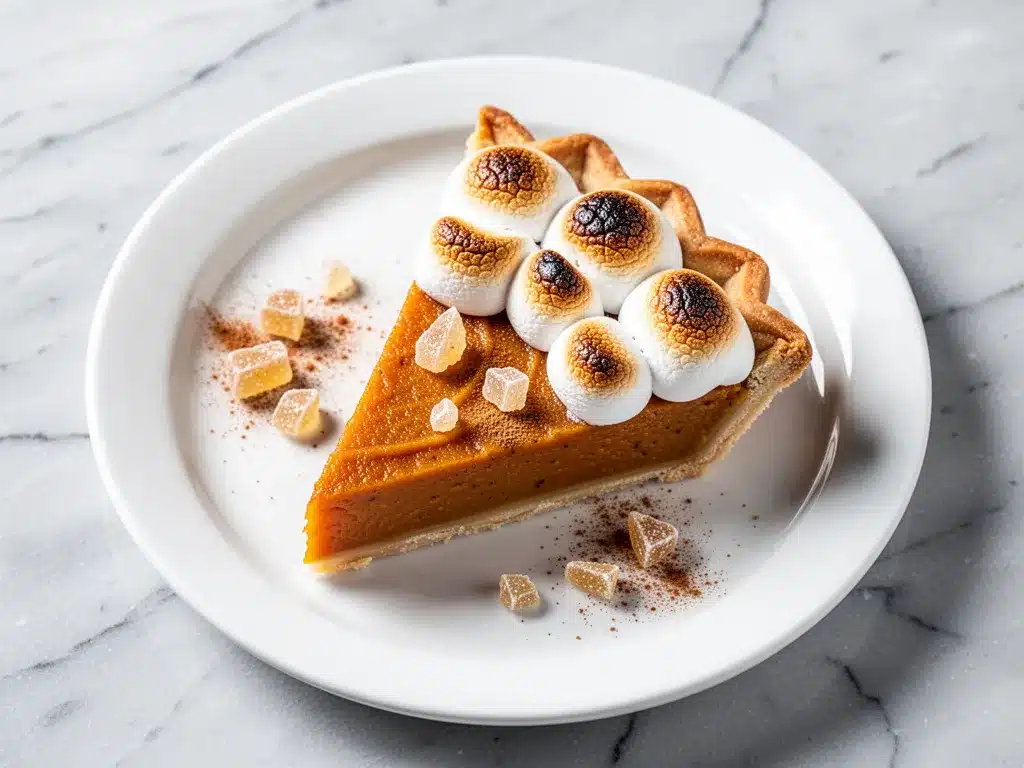
Alright, let’s make this! I’m walking you through exactly how I do it, including the little tricks I’ve picked up over the years.
Step 1: Roast the Sweet Potatoes (45-60 minutes)
Preheat your oven to 400°F (200°C). Pierce the sweet potatoes several times with a fork. Place them directly on the oven rack or on a baking sheet. Roast for 45-60 minutes, until they are very soft when squeezed. You’ll know they’re done when a knife slides in easily. Let them cool until you can handle them, then cut them in half and scoop out the flesh. Discard the skins. Mash the flesh until smooth, or pulse it in a food processor. You should have about 2 cups of puree. If it’s watery, let it sit for a few minutes to drain excess liquid.
Step 2: Make the Crust (15 minutes)
In a large bowl, whisk together the flour, sugar, and salt. Add the cold, cubed butter. Use a pastry cutter or your fingers to work the butter into the flour until the mixture looks like coarse crumbs with some pea-sized pieces of butter remaining. These butter pieces create flaky layers. Gradually add ice water, one tablespoon at a time, mixing gently with a fork until the dough just comes together. Don’t overmix. Divide the dough in half, shape into two disks, wrap in plastic, and refrigerate for at least 30 minutes. This relaxes the gluten and makes rolling easier.
Step 3: Roll and Blind Bake the Crust (25 minutes)
On a floured surface, roll out one disk of dough into a 12-inch circle. Carefully transfer it to your 9-inch pie dish, pressing it gently into the bottom and sides. Trim the edges, leaving a ½-inch overhang. Chill the crust in the fridge for 15 minutes while you make the filling. Preheat oven to 375°F (190°C). Line the crust with parchment paper and fill with pie weights or dried beans. Bake for 15 minutes. Remove the weights and parchment, then bake for another 5-7 minutes until the bottom is set. Set aside to cool.
Step 4: Make the Filling (10 minutes)
In a large bowl, whisk together the brown sugar, melted butter, heavy cream, eggs, and egg yolk until smooth. Add the sweet potato puree, vanilla, cinnamon, nutmeg, ginger, and salt. Whisk until completely combined and smooth. Taste it now—if you want more spice, add a pinch more cinnamon or nutmeg. The filling should be pourable but not watery.
Step 5: Bake the Pie (50-60 minutes)
Pour the filling into the pre-baked crust. Place the pie on a baking sheet (to catch any spills) and bake at 375°F (190°C) for 50-60 minutes. The pie is done when the edges are set and the center jiggles slightly like Jell-O but doesn’t look liquid. A knife inserted near the center should come out clean. If the crust edges are browning too quickly, cover them with a ring of aluminum foil.
Step 6: Cool Completely (2 hours)
This is the hardest part. Let the pie cool on a wire rack for at least 2 hours. It needs to set completely before slicing. If you cut it too soon, it’ll be soupy. I usually make it the night before, so it’s cool and ready to go.
Expert Tips & Tricks
Here’s everything I’ve learned from making this dozens of times. These tips will save you from my mistakes.
Roast, Don’t Boil
Boiling sweet potatoes adds too much water to the puree, which can make the filling runny. Roasting concentrates the flavor and removes excess moisture. It’s worth the extra time.
Drain Your Puree
After roasting and scooping, if your puree looks wet, let it sit in a fine-mesh strainer for 10 minutes to drain. Or spread it on a baking sheet and let it cool in the fridge uncovered. Dry puree = thick, creamy filling.
Chill the Dough
Don’t skip the chilling step. Warm dough is sticky and hard to work with. Cold dough holds its shape better and bakes up flakier. If it gets too soft while you’re rolling, put it back in the fridge for 10 minutes.
Don’t Overbake
The pie continues to cook after you take it out of the oven. If the center is completely firm, it’s overbaked and will crack. Aim for a slight jiggle in the center. It will set as it cools.
Use a Baking Sheet
Always bake the pie on a sheet pan. Sweet potato filling can bubble over, and you don’t want to clean your oven racks. The sheet pan catches everything.
Serve with Something Crunchy
Since the pie is so soft and creamy, I love adding texture. I sprinkle candied pecans on top just before serving. The crunch contrasts beautifully with the smooth filling.
Variations & Substitutions
Once you’ve nailed the basic version, here’s how you can mix it up. I’ve tried all of these.
Spiced Pecan Pie Style
Add 1 cup of chopped pecans to the filling before baking. It adds crunch and nuttiness. I do this for Christmas.
Maple Bourbon Version
Replace ¼ cup of the brown sugar with pure maple syrup. Add 1 tablespoon of bourbon to the filling. It’s sophisticated and adult-friendly. Skip the bourbon if serving to kids.
Lighter Version
Use half-and-half instead of heavy cream, and reduce the butter to ¼ cup. It’s less rich but still tasty. I make this when I’m trying to be “healthy,” though let’s be honest, it’s still pie.
Gluten-Free Crust
Use a 1:1 gluten-free flour blend for the crust. The texture might be slightly more crumbly, but it works. I’ve used Bob’s Red Mill 1:1 blend with success.
Dairy-Free
Use coconut cream instead of heavy cream, and vegan butter instead of regular butter. The flavor will be slightly coconutty, which actually pairs well with sweet potato.
Different Spices
Add a pinch of cardamom or allspice for a different twist. Cloves work too, but use sparingly—they’re strong.
Serving & Storage
How to Serve:
I usually serve this pie with a dollop of whipped cream and a sprinkle of candied pecans. It looks elegant and adds texture. It pairs well with a cup of coffee or a glass of cold milk. For a more sophisticated pairing, try a stout beer or a spiced rum. My husband loves it with a glass of port.
Refrigerator:
Store leftovers in an airtight container or covered with plastic wrap for up to 4 days. The pie will firm up in the fridge, which is normal.
Reheating:
Warm slices in the microwave for 30 seconds, or in a 350°F oven for 10-15 minutes. Reheating brings back the creamy texture. Cold pie is good too, but warm pie is better.
Freezing:
You can freeze the unbaked pie. Wrap it tightly in plastic and foil, then freeze for up to 2 months. Thaw in the fridge overnight before baking. You can also freeze baked slices individually for quick desserts.
Pro Tip:
If the crust gets soggy from storage, reheat it in the oven for 5 minutes to crisp it back up. Don’t microwave the crust alone—it’ll get tough.
Nutrition Information
I’m not a nutritionist, but here’s the breakdown if you’re tracking. This is a rich dessert, so moderation is key.
Per Serving (based on 8 servings):
- Calories: 420
- Protein: 6g
- Carbs: 52g
- Fiber: 4g
- Sugar: 28g
- Fat: 22g
- Saturated Fat: 12g
- Cholesterol: 95mg
- Sodium: 280mg
What’s Good:
- Sweet potatoes are rich in vitamin A and fiber.
- Contains some calcium from the dairy.
- Better than most store-bought pies in terms of ingredient quality.
What to Know:
- Higher in calories and sugar due to the brown sugar and cream.
- Contains dairy and gluten (unless modified).
- Moderate sodium.
My Take:
Look, this is a dessert. It’s meant to be enjoyed. The sweet potatoes add some nutritional value, but it’s still a treat. I don’t stress about it too much. I eat a slice, enjoy it, and move on. If you want to lighten it up, use the half-and-half version and skip the whipped cream. But usually? I just enjoy it as is.
Final Thoughts
So that’s my fall brown sugar sweet potato pie! I’ve probably talked your ear off at this point, but when you make a recipe this often, you have a lot to say about it. This pie has saved my holiday dinners more times than I can count. It’s my answer to “what’s for dessert?” when I want something that feels homemade but doesn’t require a degree in pastry arts. My family loves it, my friends ask for it, and I love making it.
Make it yours! Try different spices, add nuts, or serve it with different toppings. The best recipes are the ones you adapt to your family’s tastes. If you make this, drop a comment and let me know what you think! I love hearing how recipes turn out in your kitchen. And if something doesn’t work, tell me that too—I’m here to help troubleshoot.
Happy baking! And I hope your kitchen smells half as good as mine does right now.
Frequently Asked Questions
Can I use canned sweet potato puree?
Yes, you can. Just make sure it’s 100% pure sweet potato, not “sweet potato mix” with added sugars. Drain any excess liquid from the can before using. Fresh roasted potatoes taste better, but canned works in a pinch.
Why did my pie filling crack?
Overbaking is usually the culprit. Sweet potato pie is like a custard; if you bake it until it’s completely firm, it will crack as it cools. Take it out when the center still jiggles slightly. It will set as it cools.
Can I make this pie ahead of time?
Absolutely. This pie actually tastes better the next day. Make it 24 hours in advance, let it cool completely, then cover and refrigerate. Bring it to room temperature for 30 minutes before serving, or serve it cold.
How do I know when the crust is fully baked?
The crust should be golden brown and sound hollow when you tap the bottom. If it’s pale, it needs more time. If it’s dark brown, it’s done. Blind baking ensures the bottom doesn’t get soggy from the wet filling.
Can I freeze the unbaked pie?
Yes. Assemble the pie, wrap it tightly in plastic and foil, and freeze for up to 2 months. Thaw in the fridge overnight before baking. You may need to add 5-10 minutes to the baking time since it’s starting cold.
What’s the best type of sweet potato to use?
Japanese or Garnet yams are best because they’re moist and sweet. Avoid “dry” varieties like Beauregard if you can help it. Look for potatoes that feel heavy for their size and have smooth skin.
Can I use maple syrup instead of brown sugar?
You can, but the flavor will be different. Maple syrup is more liquid, so you may need to reduce the cream slightly or add a teaspoon of cornstarch to thicken the filling. Brown sugar adds a deeper, molasses flavor that I prefer.
Pin This Recipe!
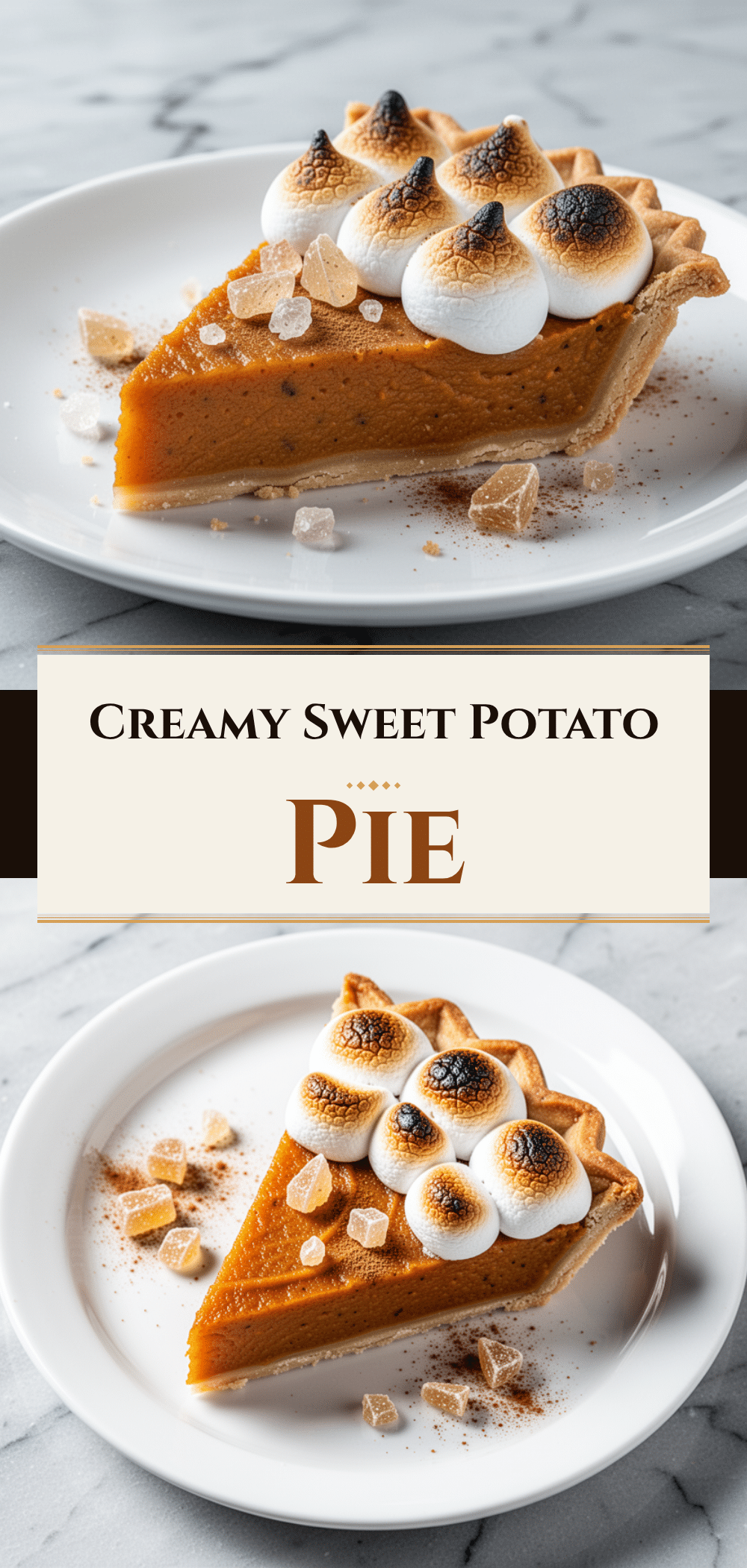

Fall Brown Sugar Sweet Potato Pie
- Total Time: 2 hours 45 minutes
- Yield: 8 servings 1x
Description
A rich, creamy sweet potato pie with a flaky buttery crust and a filling sweetened with brown sugar and warm spices. This reliable dessert is perfect for holidays or any time you need comfort food.
Ingredients
- 1 ½ cups all-purpose flour
- ½ cup unsalted butter, cold and cubed
- 1 tablespoon granulated sugar
- ½ teaspoon salt
- 4–6 tablespoons ice water
- 2 large sweet potatoes (about 2 lbs / 900g)
- 1 cup packed brown sugar
- ½ cup unsalted butter, melted
- 1 cup heavy cream
- 2 large eggs + 1 egg yolk
- 1 teaspoon vanilla extract
- 1 teaspoon cinnamon
- ½ teaspoon nutmeg
- ¼ teaspoon ginger
- ½ teaspoon salt
Instructions
- Preheat oven to 400°F (200°C). Pierce sweet potatoes and roast for 45-60 minutes until tender. Scoop out flesh, mash until smooth, and ensure puree is not watery.
- In a large bowl, whisk flour, sugar, and salt. Cut in cold butter until mixture resembles coarse crumbs. Gradually add ice water until dough comes together. Divide into two disks, wrap, and refrigerate for at least 30 minutes.
- Roll out one disk of dough into a 12-inch circle and place in a 9-inch pie dish. Trim edges and chill for 15 minutes. Preheat oven to 375°F (190°C). Line crust with parchment and weights; blind bake for 15 minutes. Remove weights and bake 5-7 more minutes until set. Cool.
- Whisk brown sugar, melted butter, heavy cream, eggs, and yolk until smooth. Add sweet potato puree, vanilla, cinnamon, nutmeg, ginger, and salt. Whisk until combined.
- Pour filling into pre-baked crust. Bake at 375°F (190°C) for 50-60 minutes until edges are set and center jiggles slightly. Cover edges with foil if browning too quickly.
- Cool completely on a wire rack for at least 2 hours before slicing to allow the pie to set.
Notes
Roasting sweet potatoes concentrates flavor and removes excess moisture compared to boiling. Ensure the puree is drained if watery. Do not overbake; the center should jiggle slightly as it will set while cooling. The pie tastes better the next day after flavors meld.
- Prep Time: 15 minutes
- Cook Time: 50-60 minutes
- Category: Dessert
- Cuisine: American
Nutrition
- Serving Size: 1 slice
- Calories: 420
- Sugar: 28
- Sodium: 280
- Fat: 22
- Saturated Fat: 12
- Carbohydrates: 52
- Fiber: 4
- Protein: 6
Keywords: sweet potato pie, brown sugar pie, fall dessert, holiday baking, custard pie, homemade pie


