I still remember the first time I made a pot roast for myself. I was twenty-two, living in a studio apartment that smelled perpetually of stale coffee and despair, and I had exactly $12 in my bank account until payday. I wanted something warm. Something that felt like a hug from the inside out. Something that didn’t require me to stand over the stove and babysit it while my brain fried itself over unpaid bills.
So I bought the cheapest chuck roast the butcher would sell me, grabbed a dented bottle of red wine from the discount rack, and threw it all into a slow cooker I’d picked up at a garage sale for five bucks. I didn’t have fancy herbs or fresh thyme. I had dried oregano and a bag of onions that had seen better days.
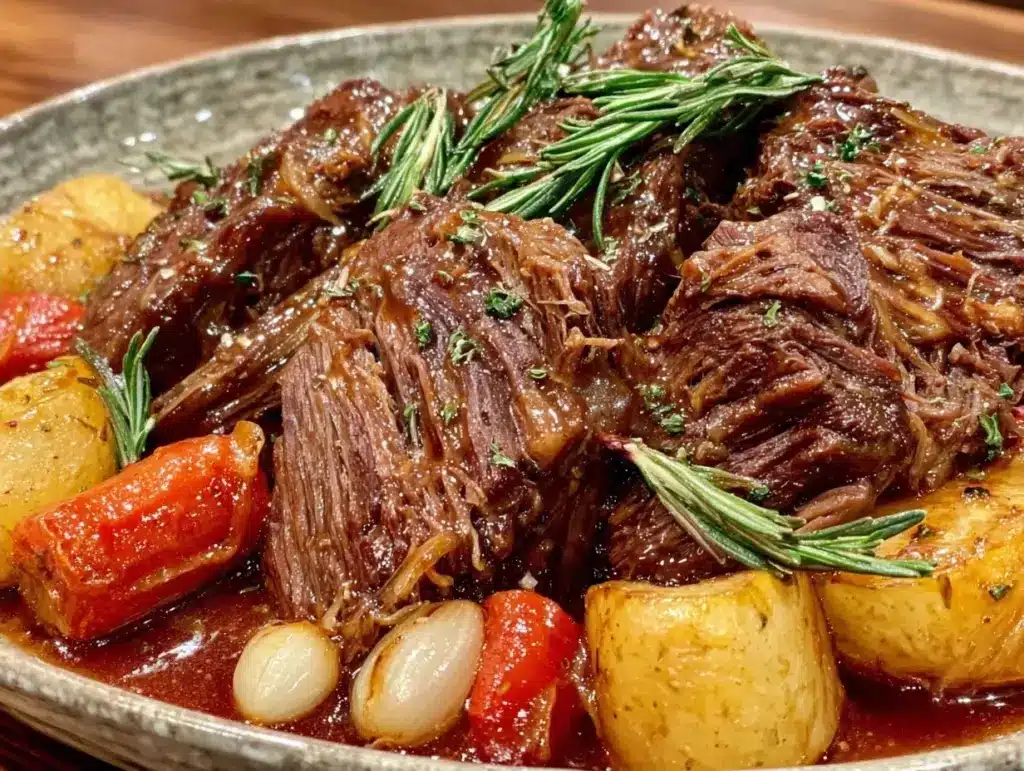
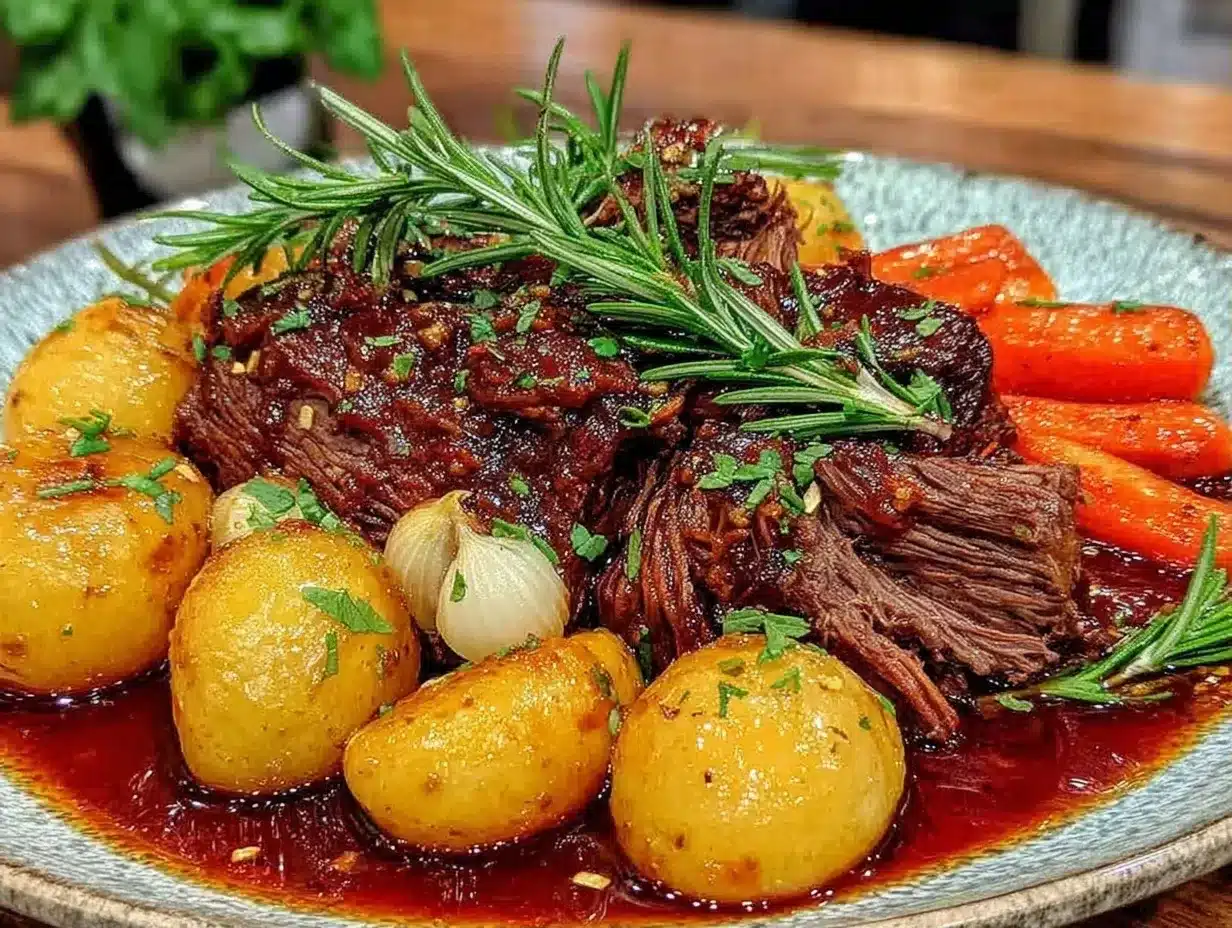
But here’s the thing: when that lid came off eight hours later, the kitchen smelled like a French bistro. The meat fell apart with a fork. The gravy was rich and dark. And I had enough leftovers to last me three days of dinner. That meal taught me more about cooking than any fancy culinary school ever could. It taught me that you don’t need money to eat well. You just need patience, a little bit of wine, and the willingness to let things simmer.
This slow cooker pot roast with red wine is my go-to budget dinner. It’s cheap. It’s filling. And it makes your entire home smell incredible, which is a nice psychological boost when you’re eating alone. I’ve made this recipe dozens of times, tweaking the veggie ratio and the wine selection, until I landed on the perfect balance of savory, rich, and affordable. If you’re watching your wallet but still want to feel like you’re dining out, this is the one.
Why You’ll Love This Recipe
There are plenty of pot roast recipes out there, but this one is specifically designed for the solo cook who doesn’t want to spend their entire weekend in the kitchen. Here’s why this version has earned a permanent spot in my rotation:
Stupid Simple — Seriously, if you can chop an onion and dump ingredients into a pot, you can make this. There’s no searing, no flipping, no complicated techniques. Just layer, set, and forget. I make this on days when I come home too tired to even think about chopping vegetables.
Costs Pennies per Serving — Chuck roast is one of the cheapest cuts of meat you can buy. When you stretch it with potatoes, carrots, and onions, you’re looking at a meal that costs less than a sandwich at a fast-food joint. I’ve calculated the cost per serving, and it’s shockingly low.
Leftovers That Taste Better — Pot roast is one of those dishes that actually improves the next day. The flavors meld together, the meat gets even more tender, and the gravy thickens. I deliberately make extra because I know my lunch the next day will be better than my dinner tonight.
One-Person Friendly — Most recipes make enough for a family of six. This one is scaled down (or easily portioned) so you don’t end up with a mountain of food that you’re tired of eating by Thursday. It’s perfect for solo dining or for stretching into two manageable meals.
Comfort in a Jar — There’s something deeply satisfying about coming home to a house that smells like savory beef and herbs. It’s comforting. It’s grounding. It makes the world feel a little less chaotic.
This is my answer to “what’s for dinner” when I’m broke, tired, and don’t want takeout. No stress, no mess, just reliable, delicious food that makes everyone happy.
Ingredients You’ll Need
Here’s the best part: you probably have most of this already. This ingredient list won’t wreck your grocery budget. I’m particular about a few things here, mostly because cheap cuts of meat need all the help they can get to turn into something gourmet.
Chuck Roast (1.5 to 2 pounds / 680g to 900g) — This is the star. Chuck is fatty and tough, which is exactly what you want. The fat renders down during the long cook, keeping the meat moist. Look for the cheapest cut you can find; it doesn’t need to be pretty. Just make sure it’s beef.
Red Wine (1 cup / 240ml) — This adds depth and acidity. You don’t need a $20 bottle. I use a cheap Cabernet or Merlot from the dollar store. If you cook with it, it’s fine. If you don’t, you’re just wasting money on a glass you’ll drink alone. Dry red is best.
Beef Broth (1 cup / 240ml) — Use low-sodium so you can control the salt. Chicken broth works too, but beef gives better flavor. If you’re on a super tight budget, water works in a pinch, but the broth makes a huge difference.
Yellow Onion (1 large, chopped / about 300g) — Onions are cheap, and they break down into the gravy, adding sweetness and body. Don’t skip this. I chop mine roughly; it’ll melt into the sauce.
Garlic (4 cloves, minced / about 2 tablespoons) — Fresh only. No jarred garlic for this one. It tastes too metallic. Mincing four cloves takes thirty seconds and elevates the whole dish.
Worcestershire Sauce (1 tablespoon) — This is the secret weapon. It adds umami and saltiness. A little goes a long way. If you don’t have it, soy sauce works as a substitute.
Tomato Paste (1 tablespoon) — This thickens the sauce and adds a rich, savory backbone. It’s a pantry staple that costs pennies.
Tomato Sauce (½ cup / 120ml) — Just a simple canned tomato sauce. Not marinara. Not crushed tomatoes. Just plain tomato sauce. It adds acidity and color.
Potatoes (2 medium, cubed / about 400g) — Russet or Yukon Gold. Russets are cheaper and break down a bit, thickening the gravy. Yukons hold their shape better. Pick whichever is on sale.
Carrots (2 large, chopped / about 200g) — Carrots add sweetness and color. They’re almost always on sale. Chop them into large chunks so they don’t turn to mush.
Dried Thyme (1 teaspoon) — Thyme and beef are best friends. Dried is fine here; it holds up well to long cooking. Fresh thyme is nice, but dried is cheaper and easier to keep in stock.
Dried Rosemary (½ teaspoon) — Just a little bit. Rosemary is strong. Too much will overpower the beef.
Bay Leaf (1) — This is optional, but I always use it. It adds a subtle herbal note. Just remember to fish it out before eating.
Salt and Black Pepper — To taste. I use about 1 teaspoon of salt and ½ teaspoon of pepper. Adjust to your preference.
Flour (2 tablespoons) — To coat the meat. This helps brown it slightly (if you choose to sear) and thickens the sauce. All-purpose flour works fine.
Oil (1 tablespoon) — For searing, if you bother. Olive oil or vegetable oil. If you’re skipping the sear, you can skip the oil.
Personal Tips:
- Brand Recommendations: I use Swanson beef broth when it’s on sale. It’s reliable and cheap.
- Shopping Shortcuts: Buy the pre-peeled garlic cloves if you’re being lazy. They cost a bit more but save time.
- Substitutions: No red wine? Use extra beef broth and a splash of vinegar for acidity.
- Storage: Onions and potatoes keep for weeks in a cool, dark place. Perfect for budget cooking.
Equipment Needed
You don’t need fancy equipment for this. Here’s what I actually use.
Slow Cooker — A 4-quart or 6-quart slow cooker is perfect. I have a cheap Crock-Pot that I’ve had for ten years. It works fine. You don’t need a fancy one with a timer.
Knife — A sharp chef’s knife for chopping onions, carrots, and potatoes. Dull knives make you cry more—learned this the hard way.
Cutting Board — Any size works. I use plastic for easier cleanup.
Measuring Cups and Spoons — Pretty standard stuff. Dollar store versions work fine.
Wooden Spoon — For stirring. Silicone works too. Don’t use metal on non-stick.
Optional but nice:
- Skillet — If you want to sear the meat, you’ll need a skillet. Cast iron is best, but any heavy-bottomed pan works.
- Garlic Press — Saves time but not necessary. Mincing works fine.
How to Make It: Step-by-Step
Alright, let’s make this! I’m walking you through exactly how I do it, including the little tricks I’ve picked up.
Step 1: Prep Your Ingredients (5 minutes)
Before you start, chop your onion, peel and chop your carrots, and cube your potatoes. Mince your garlic. I know it seems fussy, but it makes the actual cooking way less stressful. Once everything is chopped, set it aside. The slow cooker does the work, but you need to do the prep.
Step 2: Season and Coat the Meat (2 minutes)
Pat the chuck roast dry with paper towels. This is important. Dry meat sears better. Season it generously with salt and pepper. Then, dust it lightly with flour. Shake off the excess. The flour helps thicken the sauce later.
Step 3: Sear the Meat (Optional but Recommended) (5 minutes)
Heat the oil in a skillet over medium-high heat. When the oil shimmers, add the meat. Sear it for 2-3 minutes on each side until it’s browned. You don’t need to cook it through; you just want color. This step adds flavor. If you’re skipping this, just put the raw meat in the slow cooker. It’ll still be good.
Step 4: Build the Sauce (2 minutes)
In a bowl, whisk together the red wine, beef broth, Worcestershire sauce, tomato paste, and tomato sauce. Stir until the tomato paste is dissolved. This is your gravy base.
Step 5: Layer in the Slow Cooker (2 minutes)
Place the chopped onions in the bottom of the slow cooker. This protects the meat from burning. Place the seared (or raw) meat on top. Pour the sauce mixture over the meat. Add the bay leaf, thyme, and rosemary. Scatter the potatoes and carrots around the meat. They don’t need to be on top; they’ll cook in the liquid.
Step 6: Cook (6-8 hours)
Put the lid on. Set the slow cooker to LOW for 6-8 hours. I prefer LOW. It’s slower, but the meat gets more tender. HIGH works in a pinch, but the meat might be tougher. Don’t open the lid while it’s cooking. You’ll let out heat and lengthen the cook time.
Step 7: Finish and Serve (5 minutes)
After 6 hours, check the meat. It should be fork-tender. If it’s not, cook for another hour. Remove the bay leaf. Taste the sauce. Add more salt or pepper if needed. If the sauce is too thin, you can mix 1 tablespoon of cornstarch with 1 tablespoon of water and stir it in. Cook on HIGH for 15 more minutes to thicken. Serve with crusty bread or over mashed potatoes.
Total Time: About 8 hours (5 minutes active, 7 hours55 minutes hands-off)
Expert Tips & Tricks
Here’s everything I’ve learned from making this dozens of times. These tips will save you from my mistakes.
Don’t Skimp on Salt
Your meat needs salt. Undersalted beef tastes bland. I season it well before cooking. The sauce will absorb some of it, so don’t be shy.
Low and Slow
Chuck roast is tough. It needs time to break down. If you rush it on HIGH, it’ll be chewy. LOW is the way to go. Trust the process.
Save the Liquid
Don’t throw away that sauce! It’s liquid gold. Use it to soak up bread, or mix it with rice. It’s packed with flavor.
Room Temperature Meat
If you have time, let the meat sit out for 30 minutes before cooking. Cold meat hitting a hot environment can seize up. It’s a small thing, but it helps.
Common Mistakes (and how to avoid them):
- Mistake: Meat is tough — Fix: Cook it longer. Chuck roast needs 8 hours on LOW to get really tender. 6 hours might not be enough.
- Mistake: Sauce is watery — Fix: Use cornstarch slurry. Or just cook it on HIGH for the last hour to reduce.
- Mistake: Everything is too salty — Fix: Use unsalted broth and control your seasoning. You can always add more, can’t take it away.
Pro Tricks I’ve Learned:
- For Extra Flavor — Add a splash of balsamic vinegar at the end. It adds a nice tang.
- For Better Texture — Cut the potatoes into large chunks. Small chunks turn to mush.
- Make-Ahead Strategy — Chop the veggies the night before. Store them in a bag in the fridge. Then you just dump and go in the morning.
Variations & Substitutions
Once you’ve nailed the basic version, here’s how you can mix it up. I’ve tried all of these.
Vegetarian Version
Swap the beef for large portobello mushrooms or a block of firm tofu. Marinate the tofu in soy sauce and garlic first. It won’t be the same, but it’ll be tasty.
Spicy Kick
Add a teaspoon of red pepper flakes or a dash of hot sauce. I like this when I want something to wake me up.
Herb Garden
Use fresh rosemary and thyme instead of dried. Add them in the last hour so they don’t lose their flavor. It’s nicer, but more expensive.
Root Veggie Load
Add parsnips or turnips. They’re cheap and add a nice earthy flavor. I throw them in whenever I have them.
Dietary Modifications:
- Gluten-Free — Use gluten-free Worcestershire sauce and cornstarch instead of flour. Everything else is naturally gluten-free.
- Dairy-Free — This recipe is already dairy-free. Just make sure your wine and broth are dairy-free (most are).
- Low-Carb — Skip the potatoes. Add extra carrots and mushrooms. It’s not as filling, but it works.
Serving & Storage
How to Serve:
I usually serve this straight from the slow cooker. It’s rustic and stays warm. But here are other ways I’ve enjoyed it:
- With Crusty Bread — To soak up the gravy. This is my favorite way.
- Over Mashed Potatoes — Classic comfort food. Makes the meal even more filling.
- With Rice — Simple and cheap. Good for stretching the meal.
Storage Instructions:
Refrigerator: Store in an airtight container for up to 4 days. The meat gets tougher if you wait too long, so eat it up.
Reheating: Best method: Add to a skillet with a splash of broth or water over low heat. Stir until heated through. Microwave works but tends to dry it out. If you do microwave, add a splash of liquid first.
Freezing: This freezes well! Portion it into individual containers. Freeze for up to 3 months. Thaw in the fridge overnight before reheating. It’s perfect for meal prep.
Nutrition Information
I’m not a nutritionist, but here’s the breakdown if you’re tracking.
Per Serving (based on 4 servings):
- Calories: 450
- Protein: 35g
- Carbs: 30g
- Fiber: 4g
- Sugar: 6g
- Fat: 20g
- Sodium: 600mg
What’s Good:
- High protein from the beef
- Fiber from the vegetables
- Low cost per serving
What to Know:
- Higher in sodium from the broth and Worcestershire
- Contains alcohol (though most cooks off)
- Moderate fat from the chuck roast
My Take:
Look, this is comfort food. It’s not a diet recipe. But it’s way better than takeout, costs less, and I know exactly what’s in it. When I want to make it lighter, I use less wine and more veggies. But usually? I just eat a reasonable portion and enjoy it.
Final Thoughts
So that’s my slow cooker pot roast with red wine! I’ve probably talked your ear off at this point, but when you make a recipe this often, you have a lot to say about it.
This has saved weeknight dinners more times than I can count. It’s my answer to “what’s for dinner” when I’m tired, don’t want takeout, and still want something that tastes really good. It’s cheap. It’s easy. And it makes your kitchen smell amazing.
Make it yours! Try different add-ins, swap in your favorite vegetables, adjust the garlic. The best recipes are the ones you adapt to your tastes.
If you make this, drop a comment and let me know what you think! I love hearing how recipes turn out in your kitchen. And if something doesn’t work, tell me that too—I’m here to help troubleshoot.
Happy cooking! And I hope your kitchen smells half as good as mine does right now.
Frequently Asked Questions
Q: Can I use white wine instead of red?
A: You can, but the flavor will be different. Red wine adds a deeper, richer taste that pairs well with beef. White wine is lighter and more acidic. If you use white, add a splash of vinegar to compensate. I prefer red, but white works in a pinch.
Q: My sauce came out watery—what happened?
A: Usually means you didn’t let it simmer long enough to thicken, or you added too much liquid. Let the sauce cook on HIGH for the last hour to reduce. Or use a cornstarch slurry. It’s an easy fix.
Q: Can I make this ahead for a dinner party?
A: Absolutely! Chop the veggies the night before. Put everything in the slow cooker in the morning. Set it to LOW. Come home to a perfect meal. I do this all the time for guests.
Q: Why did my meat turn out tough?
A: You didn’t cook it long enough. Chuck roast needs time to break down. Try cooking it for 8 hours on LOW. If it’s still tough, cook for another hour. It’s worth the wait.
Q: Can I use jarred garlic?
A: You can, but fresh tastes so much better. Jarred garlic has a weird metallic taste that really shows up in slow cooker dishes. If you must use it, use half the amount because it’s stronger. But honestly, mincing 4 cloves takes like 2 minutes.
Q: How do I reheat leftovers without it getting dry?
A: Add a splash of broth or water to a skillet, add your leftover pot roast, and heat gently over low heat, stirring frequently. The extra liquid brings back the moist texture. Microwave sort of works but tends to dry it out.
Q: Can I double this recipe?
A: Yes, but you’ll need a larger slow cooker. Double the ingredients and cook for the same amount of time. Just make sure the slow cooker isn’t more than ¾ full. It needs room to simmer.
Pin This Recipe!
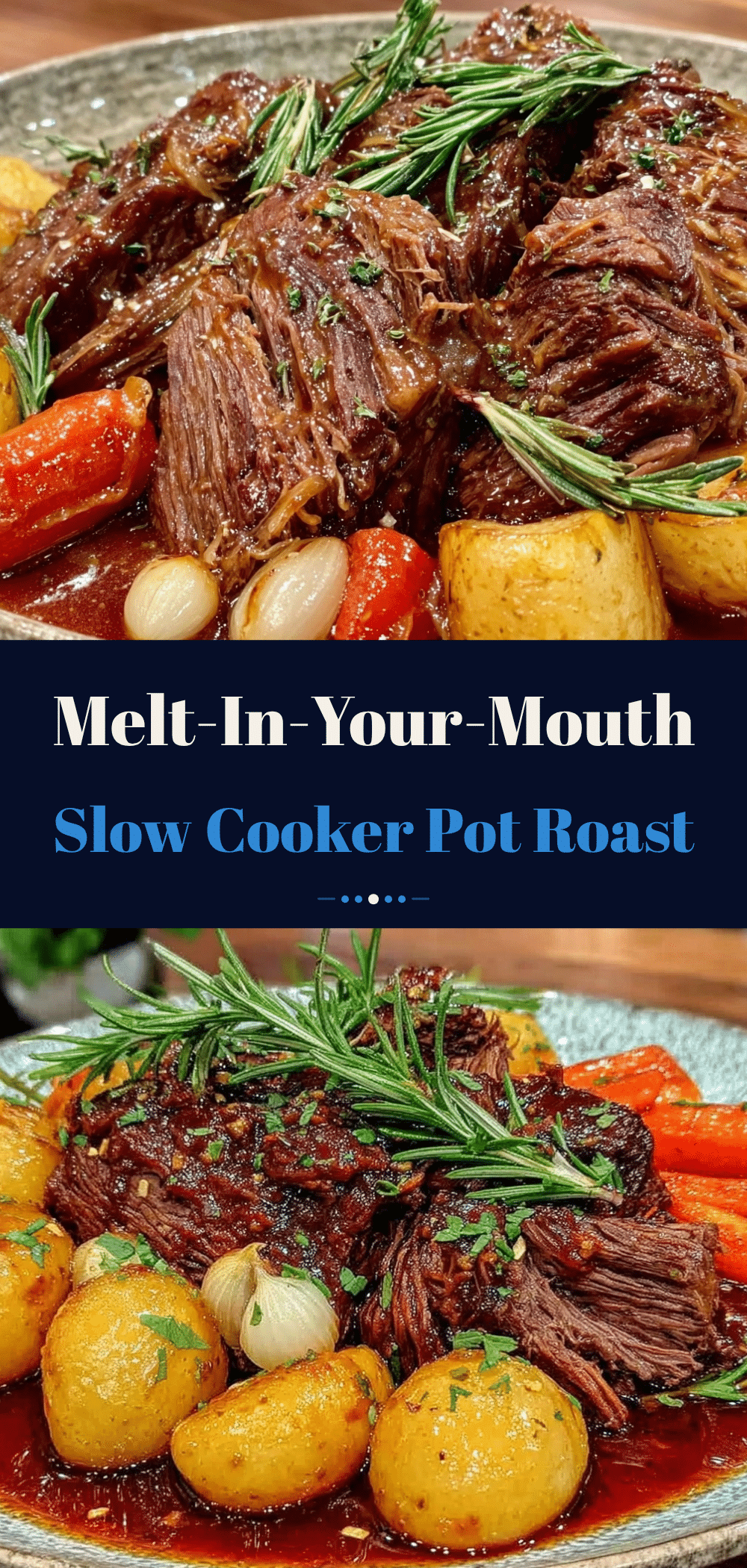
Slow Cooker Pot Roast: Cheap One-Person Budget Dinner
- Total Time: 8 hours
- Yield: 4 servings 1x
Description
A budget-friendly, slow-cooker pot roast designed for solo diners or small portions. This recipe uses chuck roast, red wine, and root vegetables to create a tender, flavorful meal that costs pennies per serving.
Ingredients
- 1.5 to 2 pounds chuck roast
- 1 cup red wine (dry Cabernet or Merlot)
- 1 cup beef broth (low-sodium)
- 1 large yellow onion, chopped
- 4 cloves garlic, minced
- 1 tablespoon Worcestershire sauce
- 1 tablespoon tomato paste
- 1/2 cup tomato sauce
- 2 medium potatoes, cubed
- 2 large carrots, chopped
- 1 teaspoon dried thyme
- 1/2 teaspoon dried rosemary
- 1 bay leaf
- Salt and black pepper to taste
- 2 tablespoons flour
- 1 tablespoon oil (for searing)
Instructions
- Chop the onion, carrots, and potatoes. Mince the garlic.
- Pat the chuck roast dry and season generously with salt and pepper. Dust lightly with flour, shaking off excess.
- Heat oil in a skillet over medium-high heat. Sear the meat for 2-3 minutes on each side until browned (optional but recommended).
- In a bowl, whisk together red wine, beef broth, Worcestershire sauce, tomato paste, and tomato sauce.
- Place chopped onions in the bottom of the slow cooker. Place the meat on top.
- Pour the sauce mixture over the meat. Add bay leaf, thyme, and rosemary.
- Scatter potatoes and carrots around the meat.
- Cook on LOW for 6-8 hours until the meat is fork-tender.
- Remove the bay leaf. Taste and adjust seasoning. If sauce is too thin, mix 1 tablespoon cornstarch with 1 tablespoon water and stir in; cook on HIGH for 15 minutes to thicken.
- Serve with crusty bread or mashed potatoes.
Notes
Chuck roast is tough and needs time to break down, so cook on LOW for best results. Do not open the lid while cooking. If skipping the sear, place raw meat directly in the slow cooker. Leftovers taste better the next day as flavors meld.
- Prep Time: 5 minutes
- Cook Time: 6-8 hours
- Category: Main Course
- Cuisine: American
Nutrition
- Serving Size: 1 serving (approx. 1
- Calories: 450
- Sugar: 6
- Sodium: 600
- Fat: 20
- Saturated Fat: 7
- Carbohydrates: 30
- Fiber: 4
- Protein: 35
Keywords: slow cooker pot roast, budget dinner, one person meal, chuck roast, red wine sauce, easy dinner, comfort food