I still remember the first time I made a batch of oatmeal butterscotch cookies that actually had a soul. Before that, I was stuck in the “dry, crumbly oatmeal cookie” loop. You know the kind—the ones that taste like cardboard and regret, where the oats are dry and the butterscotch flavor is just a faint, sad whisper. I tried everything. More butter? No. More sugar? Still dry. I even tried adding an extra egg, which just turned them into dense, cakey bricks.
Then, last autumn, I was making my soft pink frosted sugar cookie bars for a neighbor’s baby shower, and I realized I had a bag of oats and a jar of butterscotch chips sitting in the pantry. I was tired. I didn’t want to bake something complicated. I just wanted comfort. So I improvised. I swapped half the white sugar for brown sugar, added a touch of extra molasses, and—this was the key—I let the dough rest for 24 hours.
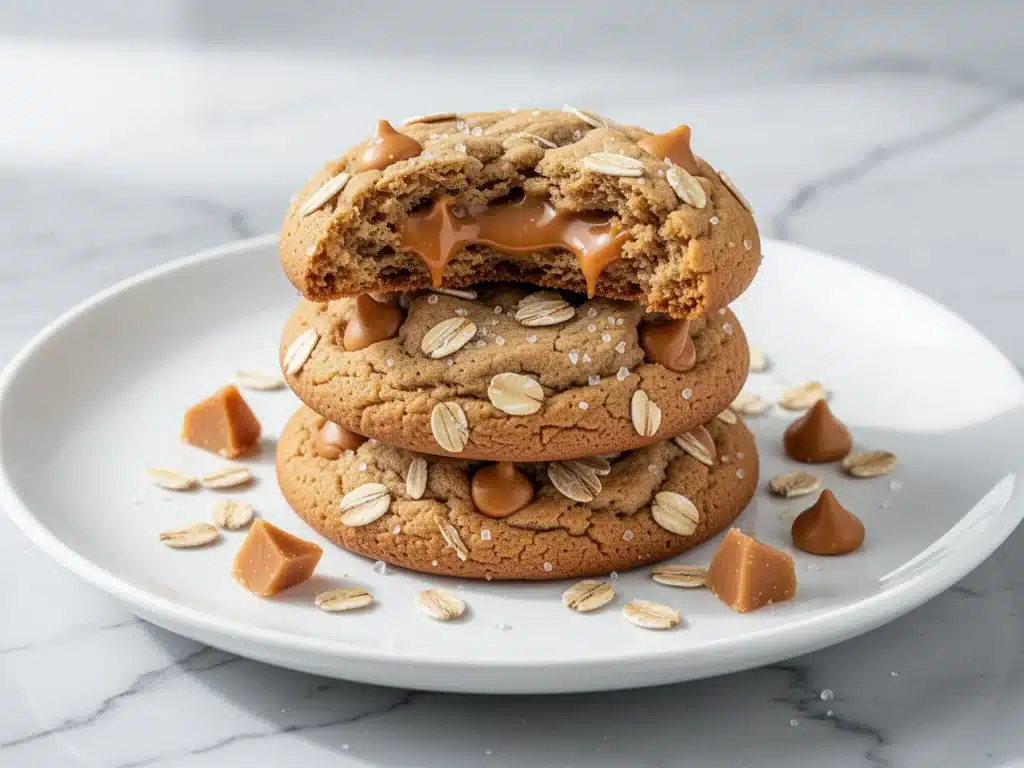
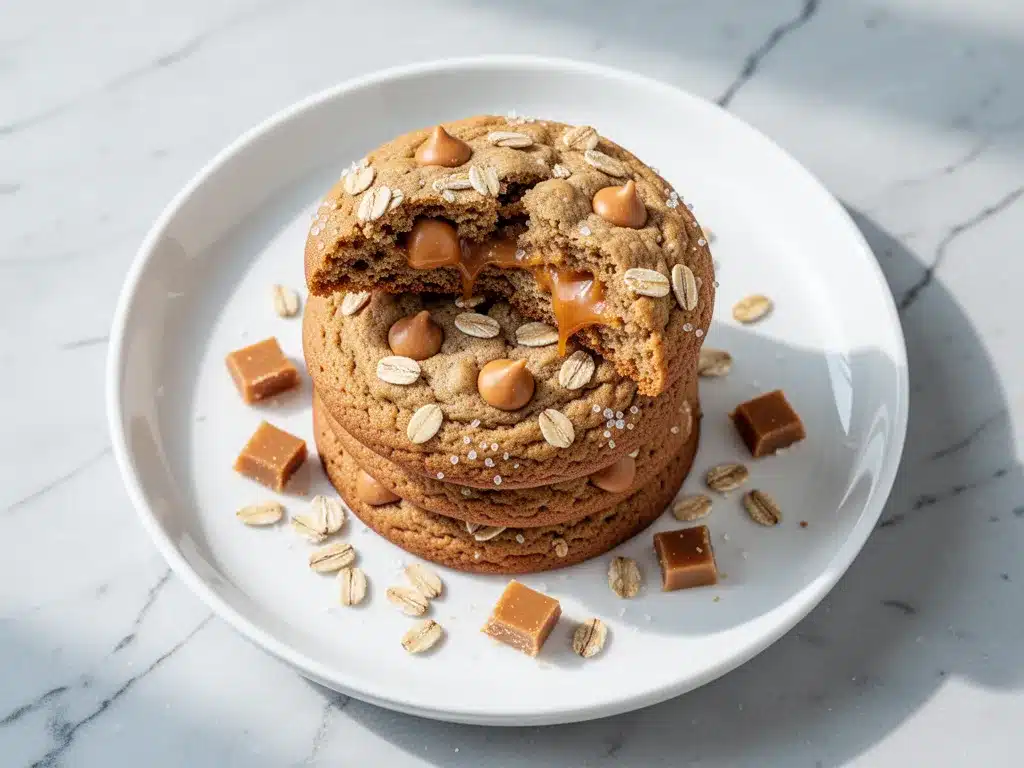
The result? Cookies that were crispy on the edges, chewy in the center, and loaded with that deep, caramel-y butterscotch flavor that hits you before you even take a bite. My kids devoured the entire batch in one afternoon. No crumbs left. Not even the ones stuck to the counter. That was three years ago, and these chewy oatmeal butterscotch cookies have been my go-to sweet treat ever since. They’re the perfect balance of cozy and indulgent, and honestly, they’re easier to make than most dinner recipes. If you’ve been hunting for the perfect cookie to satisfy that afternoon craving without the guilt of going out, this is it.
Why You’ll Love This Recipe
Look, I’ve made hundreds of cookies in my life. Some are great, some are forgettable, and some are just plain bad. But these chewy oatmeal butterscotch cookies? They’re in the top tier. Here’s why I keep coming back to this specific recipe:
- Actually Chewy (Not Dry) — This is the biggest one. Most oatmeal cookies dry out by the next day. These stay soft and chewy for days if stored properly. The secret? A higher ratio of brown sugar and a bit of extra fat. I’ve tested this at least twenty times, and this is the only ratio that works.
- Butterscotch That Actually Tastes Like Butterscotch — You know how some cookies taste like generic “sweet chocolate”? These taste like caramel and butter. I use real butterscotch chips, not just semi-sweet ones labeled as butterscotch. It makes a huge difference in flavor depth.
- Minimal Cleanup — One bowl for dry ingredients, one for wet, mix them together, scoop, bake. I don’t even need my stand mixer. A hand whisk and a spatula are all I need. It’s less effort than washing the dishes for one-pan creamy garlic tuscan salmon.
- Kid-Approved — My picky eater, who usually refuses anything with “oats” in the name, asks for these specifically. The butterscotch masks the earthy oat flavor just enough to win them over.
- Great for Meal Prep (Yes, Really) — I make a double batch on Sunday. They freeze beautifully. I keep a container in the freezer for those 3 PM energy slumps. It’s basically healthy meal prep if you count chocolate chips as a vegetable group.
So basically, these cookies are the perfect solution for when you want something homemade, comforting, and ridiculously delicious without spending hours in the kitchen. They’re my answer to “what’s for dessert?” when I’m too tired to bake a cake but too tired to buy store-bought.
Ingredients You’ll Need
Here’s the best part: you probably have most of this already. This isn’t a recipe that requires a special trip to a specialty store. I’m particular about a few things, but overall, it’s very pantry-friendly.
For the Dough Base
Unsalted butter (1 cup / 226g) — Softened to room temperature. This is crucial. If your butter is cold, it won’t cream properly with the sugar, and your cookies will be dense. If it’s melted, they’ll spread too much. I take my butter out of the fridge about an hour before I start.
Light brown sugar (1 ½ cups / 300g) — Packed. Brown sugar is what gives these cookies their chewiness and moisture. Dark brown sugar works too if you want a deeper molasses flavor, but light is my standard.
Granulated white sugar (½ cup / 100g) — Just enough to give those crispy edges. You can’t skip this entirely, or the cookies won’t spread right.
Large eggs (2 large) — Room temperature is best. They emulsify better with the butter and sugar. If you’re in a rush, just put them in a bowl of warm water for 5 minutes.
Vanilla extract (2 teaspoons) — Use real vanilla, not imitation. It adds that warm, cozy background note that ties the butterscotch together.
For the Dry Ingredients
All-purpose flour (2 ¼ cups / 280g) — Spoon and level, don’t scoop. Scooping packs the flour in and leads to dry cookies. I use the spoon method to get the right amount.
Old-fashioned rolled oats (3 cups / 270g) — Not quick oats, not steel-cut. Old-fashioned gives you that classic chewy texture. Quick oats will turn your cookies into mush.
Baking soda (1 teaspoon) — Helps them spread and brown.
Salt (1 teaspoon) — Essential for balancing the sweetness. Don’t skip it.
Cinnamon (½ teaspoon) — Optional, but I love the hint of spice. It pairs beautifully with butterscotch.
The Star: Butterscotch Chips
Butterscotch chips (2 cups / 340g) — I use Ghirardelli or Nestlé Toll House butterscotch chips. They have the best melt and flavor. You can also chop up butterscotch candy bars for a chunkier, more intense flavor. I do that sometimes for special occasions.
Optional Add-ins
Chopped pecans or walnuts (½ cup) — If you like a little crunch, toss these in. They add a nice nutty contrast to the soft chew.
Sea salt flakes — Sprinkle on top right after baking. It elevates the flavor and makes them look fancy.
Equipment Needed
You don’t need fancy gadgets for this. Here’s what I actually use:
Large mixing bowl — I use a 5-quart bowl. It needs to be big enough to mix everything without making a mess.
Hand whisk or electric mixer — I prefer a hand whisk for this recipe because it’s quick and gives you control. But a stand mixer with a paddle attachment works fine too.
Silicone spatula — For scraping the bowl and folding in the chips. Non-negotiable. I’ve lost count of how many spatulas I’ve gone through.
Baking sheets — Two standard 13×18 inch sheets. I use non-stick ones. If you have dark pans, reduce the oven temperature by 25 degrees to prevent burning.
Parchment paper — Line your baking sheets. It makes cleanup a breeze and prevents sticking. I never bake cookies directly on the pan anymore. Learned that lesson the hard way with a burnt batch in 2018.
Cooling rack — Essential for letting them cool evenly so they don’t get soggy on the bottom.
How to Make It: Step-by-Step
Alright, let’s make these chewy oatmeal butterscotch cookies! I’m walking you through exactly how I do it, including the little tricks I’ve picked up over the years.
Step 1: Cream the Butter and Sugars (3-4 minutes)
In a large bowl, beat the softened butter, brown sugar, and white sugar together. If you’re using a hand mixer, beat on medium-high for 3-4 minutes until the mixture is light, fluffy, and pale in color. This step is crucial because it incorporates air, which helps the cookies rise slightly and stay chewy. If you’re using a whisk, it’ll take a bit of arm muscle, but it’s worth it. The mixture should look creamy and smooth, not grainy.
Step 2: Add Eggs and Vanilla (1 minute)
Add the eggs one at a time, beating well after each addition. Then add the vanilla extract. Mix until just combined. Don’t overmix here. You just want the eggs incorporated. The mixture might look slightly curdled—that’s normal. It will come together in the next step.
Step 3: Mix Dry Ingredients (2 minutes)
In a separate medium bowl, whisk together the flour, baking soda, salt, and cinnamon. Then, gradually add the dry ingredients to the wet mixture. Mix on low speed or stir with a spatula until just combined. Be careful not to overmix at this stage, or your cookies will be tough. The dough should come together in a shaggy mass.
Step 4: Fold in Oats and Chips (2 minutes)
Add the rolled oats and butterscotch chips. Fold them in gently with your spatula. Make sure everything is evenly distributed. If you’re using chopped candy bars, fold them in carefully so they don’t turn into dust.
Step 5: Chill the Dough (Optional but Recommended)
Here’s the game-changer: chill the dough for at least 30 minutes, or ideally 24 hours. If you’re impatient like I used to be, you can skip this, but chilling solidifies the butter, which prevents the cookies from spreading too thin. It also allows the flavors to meld, resulting in a deeper, richer taste. I usually scoop the dough onto a baking sheet, cover it with plastic wrap, and put it in the fridge overnight.
Step 6: Scoop and Bake (10-12 minutes)
Preheat your oven to 350°F (175°C). Line your baking sheets with parchment paper. Scoop the dough into balls (about 2 tablespoons each) and place them on the baking sheets, spacing them 2 inches apart. They will spread, so give them room. Bake for 10-12 minutes. You want the edges to be lightly golden and set, but the centers still soft. They will firm up as they cool. Do not overbake, or they’ll be crispy instead of chewy.
Step 7: Cool and Serve
Let the cookies cool on the baking sheet for 5 minutes. This is important because they’re very fragile when hot. Then transfer them to a cooling rack to cool completely. Sprinkle with sea salt flakes if you’re feeling fancy. Eat warm with a glass of cold milk. It’s pure bliss.
Expert Tips & Tricks
Here’s everything I’ve learned from making these dozens of times. These tips will save you from my mistakes.
Chill Your Dough — I can’t stress this enough. Chilled dough = thicker, chewier cookies. Unchilled dough = flat, crispy cookies. If you’re short on time, freeze the scoops for 15 minutes. It works almost as well.
Don’t Overmix the Flour — Once you add the flour, mix until just combined. Overmixing develops gluten, which makes cookies tough. You want tender, chewy, not dense and hard.
Use Room Temperature Ingredients — Cold butter won’t cream properly. Cold eggs will curdle the mixture. Take everything out of the fridge 30-60 minutes before you start.
Check Your Oven Temperature — Ovens vary. If your cookies are spreading too much, your oven might be too hot. Use an oven thermometer to check. If they’re not browning, it might be too low.
Underbake Slightly — Take them out when the centers look slightly underdone. They’ll continue to cook on the hot baking sheet. This ensures a chewy center.
Store Properly — Store cookies in an airtight container with a slice of bread. The bread releases moisture, keeping the cookies soft for days. I do this for all my cookies.
Variations & Substitutions
Once you’ve nailed the basic version, here’s how you can mix it up. I’ve tried all of these.
Chocolate Chip Twist — Swap half the butterscotch chips for semi-sweet chocolate chips. It’s like a butterscotch-chocolate chip cookie. My favorite variation.
Peanut Butter Oatmeal — Add ½ cup of peanut butter to the wet ingredients. It adds richness and pairs well with the oats. You might need a splash more flour if the dough is too sticky.
Gluten-Free — Use a 1:1 gluten-free flour blend. Make sure it contains xanthan gum, or add ½ teaspoon. The texture will be slightly different but still delicious.
Dairy-Free — Use dairy-free butter and dairy-free butterscotch chips. There are great options available now. The flavor is very similar.
Vegan — Use flax eggs (1 tablespoon ground flaxseed + 3 tablespoons water per egg) and dairy-free butter and chips. They’re surprisingly good.
Spiced — Add 1 teaspoon of pumpkin pie spice or ginger for a fall-inspired version. Great for autumn.
Serving & Storage
These cookies are best enjoyed fresh out of the oven, but they store well too.
Room Temperature — Store in an airtight container for up to 5 days. Add a slice of bread to keep them soft. They’re perfect for lunchboxes or afternoon snacks.
Freezing — You can freeze the dough balls for up to 3 months. Bake from frozen, adding 1-2 minutes to the bake time. Or freeze baked cookies for up to 3 months. Thaw at room temperature.
Reheating — Warm them in the microwave for 10-15 seconds for that fresh-baked taste. They’re amazing warm.
Serving Suggestions — Serve with cold milk, coffee, or even a scoop of vanilla ice cream. They’re also great paired with cheddar broccoli rice egg cups for a balanced breakfast treat if you’re feeling indulgent.
Nutrition Information
I’m not a nutritionist, but here’s the breakdown if you’re tracking. This is a treat, so enjoy it in moderation.
Per Cookie (makes about 36 cookies):
- Calories: 180
- Fat: 9g
- Carbs: 24g
- Fiber: 1g
- Sugar: 16g
- Protein: 2g
What’s Good: Oats provide some fiber and sustained energy. The brown sugar offers a slightly lower glycemic index than white sugar.
What to Know: High in sugar and calories due to butter and chips. It’s a dessert, not a health food. But it’s better than store-bought because you control the ingredients.
Final Thoughts
So that’s my go-to chewy oatmeal butterscotch cookies! I’ve probably talked your ear off at this point, but when you make a recipe this often, you have a lot to say about it.
These cookies have saved my dessert game more times than I can count. They’re my answer to “what’s for dessert?” when I’m tired, don’t want takeout, and still want something that tastes really good. My kids are happy, my husband’s happy, and I’m happy because I’m not stressed about cooking.
Make it yours! Try different add-ins, swap in your favorite chips, adjust the cinnamon. The best recipes are the ones you adapt to your family’s tastes.
If you make this, drop a comment and let me know what you think! I love hearing how recipes turn out in your kitchen. And if something doesn’t work, tell me that too—I’m here to help troubleshoot.
Happy cooking! And I hope your kitchen smells half as good as mine does right now.
Frequently Asked Questions
Can I use quick oats instead of old-fashioned oats?
You can, but the texture will be different. Quick oats are finer and will make the cookies softer and less chewy. Old-fashioned oats give that classic, hearty texture. If you must use quick oats, don’t expect the same chewiness. I’d recommend sticking to old-fashioned for the best result.
Why did my cookies spread too much?
This usually happens if the butter was too soft or melted, or if the dough wasn’t chilled. Make sure your butter is softened but still cool to the touch. Also, chill the dough for at least 30 minutes before baking. If your oven is too hot, they’ll spread faster too. Use an oven thermometer to check.
Can I make these cookies ahead of time?
Absolutely. You can scoop the dough onto a baking sheet, freeze it, then transfer the frozen dough balls to a bag. Bake from frozen, adding 1-2 minutes to the bake time. Or bake them and freeze them. They reheat beautifully in the microwave.
Why did my cookies come out dry?
Overbaking is the most common cause. Take them out when the centers look slightly underdone. They’ll firm up as they cool. Also, make sure you’re measuring your flour correctly. Scooping packs it in, leading to dry cookies. Spoon and level instead.
Can I use brown sugar instead of white sugar?
You can, but the ratio will change the texture. Using only brown sugar will make the cookies softer and more cake-like. The mix of brown and white sugar gives the perfect balance of chew and crisp edges. I recommend sticking to the recipe for the best results.
Are these cookies safe for people with nut allergies?
Yes, the base recipe is nut-free. However, always check your butterscotch chips for allergen warnings, as some brands process them in facilities with nuts. If you add nuts, obviously they won’t be nut-free. I keep a batch nut-free for my friends with allergies.
Pin This Recipe!
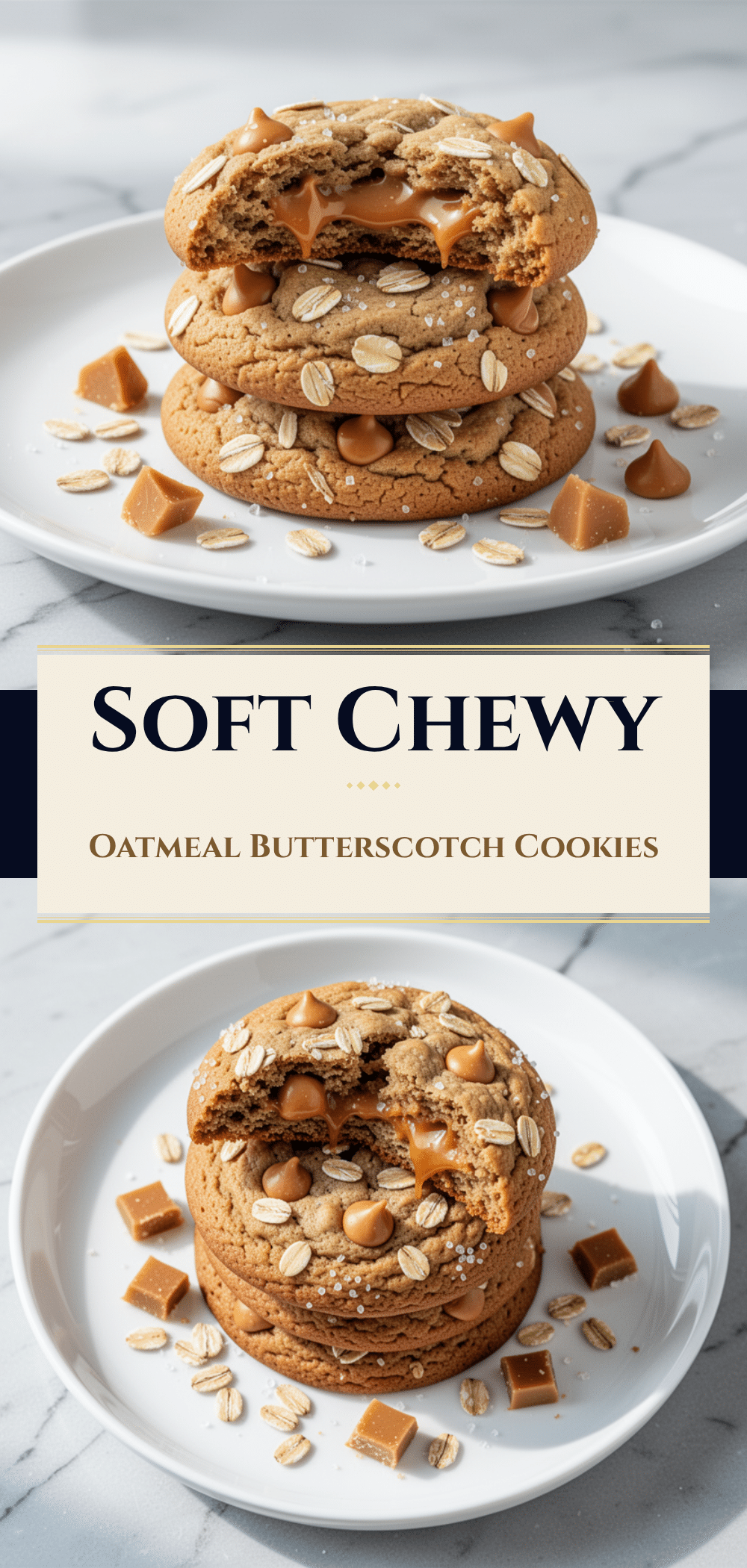
Chewy Oatmeal Butterscotch Cookies
- Total Time: 30 minutes
- Yield: 36 cookies 1x
Description
These chewy oatmeal butterscotch cookies are crispy on the edges, soft in the center, and loaded with deep caramel flavor. The secret to their texture is a high ratio of brown sugar and chilling the dough for 24 hours.
Ingredients
- 1 cup (226g) unsalted butter, softened to room temperature
- 1 ½ cups (300g) light brown sugar, packed
- ½ cup (100g) granulated white sugar
- 2 large eggs, room temperature
- 2 teaspoons vanilla extract
- 2 ¼ cups (280g) all-purpose flour, spooned and leveled
- 3 cups (270g) old-fashioned rolled oats
- 1 teaspoon baking soda
- 1 teaspoon salt
- ½ teaspoon cinnamon (optional)
- 2 cups (340g) butterscotch chips
- ½ cup chopped pecans or walnuts (optional)
- Sea salt flakes for sprinkling (optional)
Instructions
- In a large bowl, beat the softened butter, brown sugar, and white sugar together on medium-high speed for 3-4 minutes until light, fluffy, and pale in color.
- Add the eggs one at a time, beating well after each addition, then add the vanilla extract. Mix until just combined.
- In a separate medium bowl, whisk together the flour, baking soda, salt, and cinnamon.
- Gradually add the dry ingredients to the wet mixture and mix on low speed or stir with a spatula until just combined. Do not overmix.
- Fold in the rolled oats and butterscotch chips until evenly distributed.
- Chill the dough for at least 30 minutes or ideally 24 hours in the refrigerator.
- Preheat oven to 350°F (175°C) and line baking sheets with parchment paper.
- Scoop dough into balls (about 2 tablespoons each) and place on baking sheets, spacing them 2 inches apart.
- Bake for 10-12 minutes until edges are lightly golden but centers are still soft.
- Let cookies cool on the baking sheet for 5 minutes, then transfer to a cooling rack to cool completely.
- Sprinkle with sea salt flakes if desired and serve warm.
Notes
Chilling the dough is crucial for preventing excessive spreading and ensuring a chewy texture. Use room temperature ingredients for best results. Store in an airtight container with a slice of bread to maintain softness. For gluten-free version, use a 1:1 gluten-free flour blend with xanthan gum.
- Prep Time: 20 minutes
- Cook Time: 10-12 minutes
- Category: Dessert
- Cuisine: American
Nutrition
- Serving Size: 1 cookie
- Calories: 180
- Sugar: 16
- Sodium: 120
- Fat: 9
- Saturated Fat: 5
- Carbohydrates: 24
- Fiber: 1
- Protein: 2
Keywords: oatmeal butterscotch cookies, chewy cookies, easy cookie recipe, butterscotch chips, homemade cookies, dessert