Last Tuesday, I was standing in my kitchen at 6:45 PM, staring into the abyss of my refrigerator. You know that look. The one where the light flickers slightly, and the only thing inside is a jar of pickles, three eggs, and a bag of asparagus that’s been slowly turning into green mush in the crisper drawer. I was exhausted. My brain was fried from work, and the idea of chopping vegetables, managing three different pans, and then washing a sink full of dishes felt like climbing Mount Everest in flip-flops.
But I also didn’t want cereal for dinner. Again.
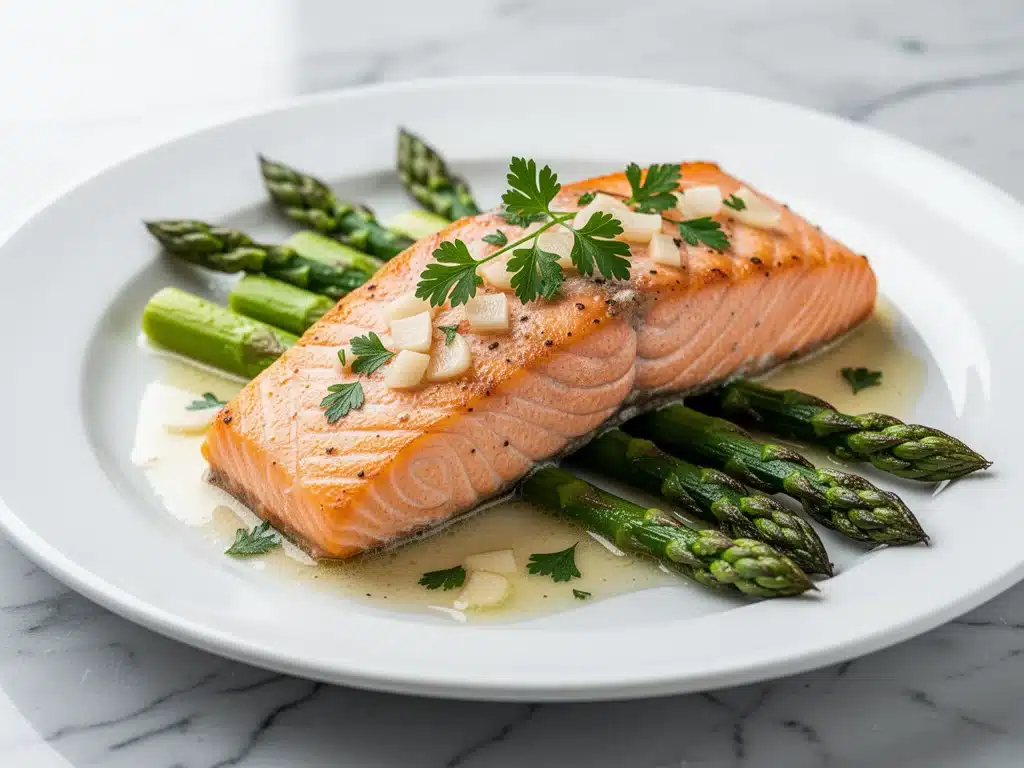
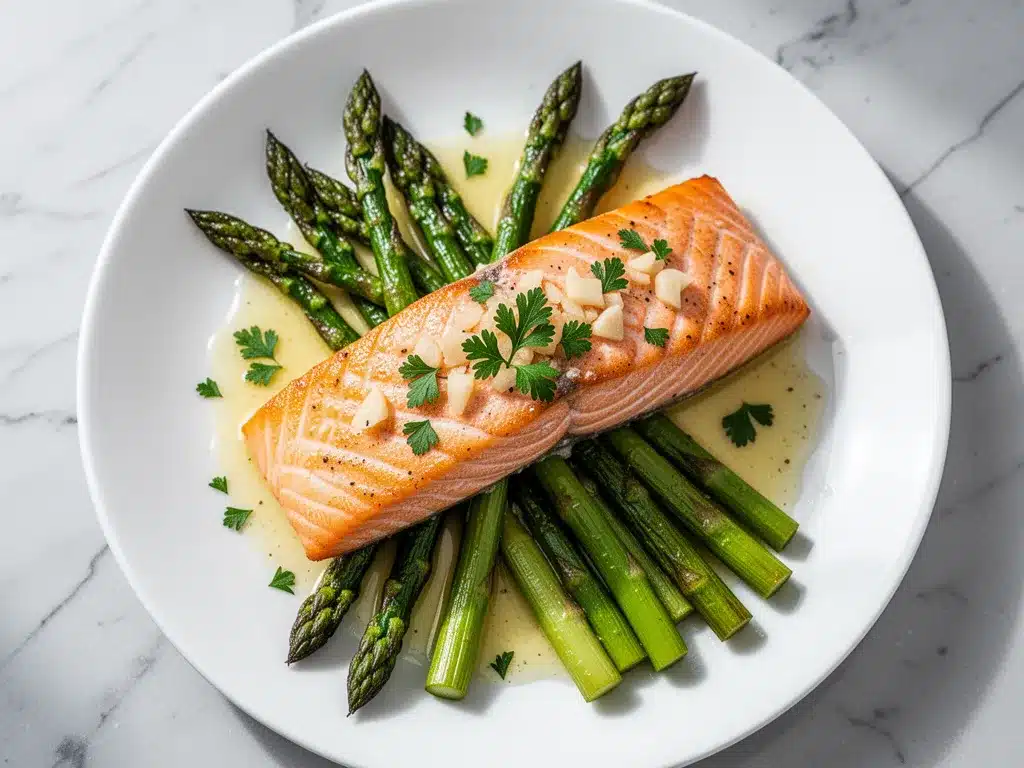
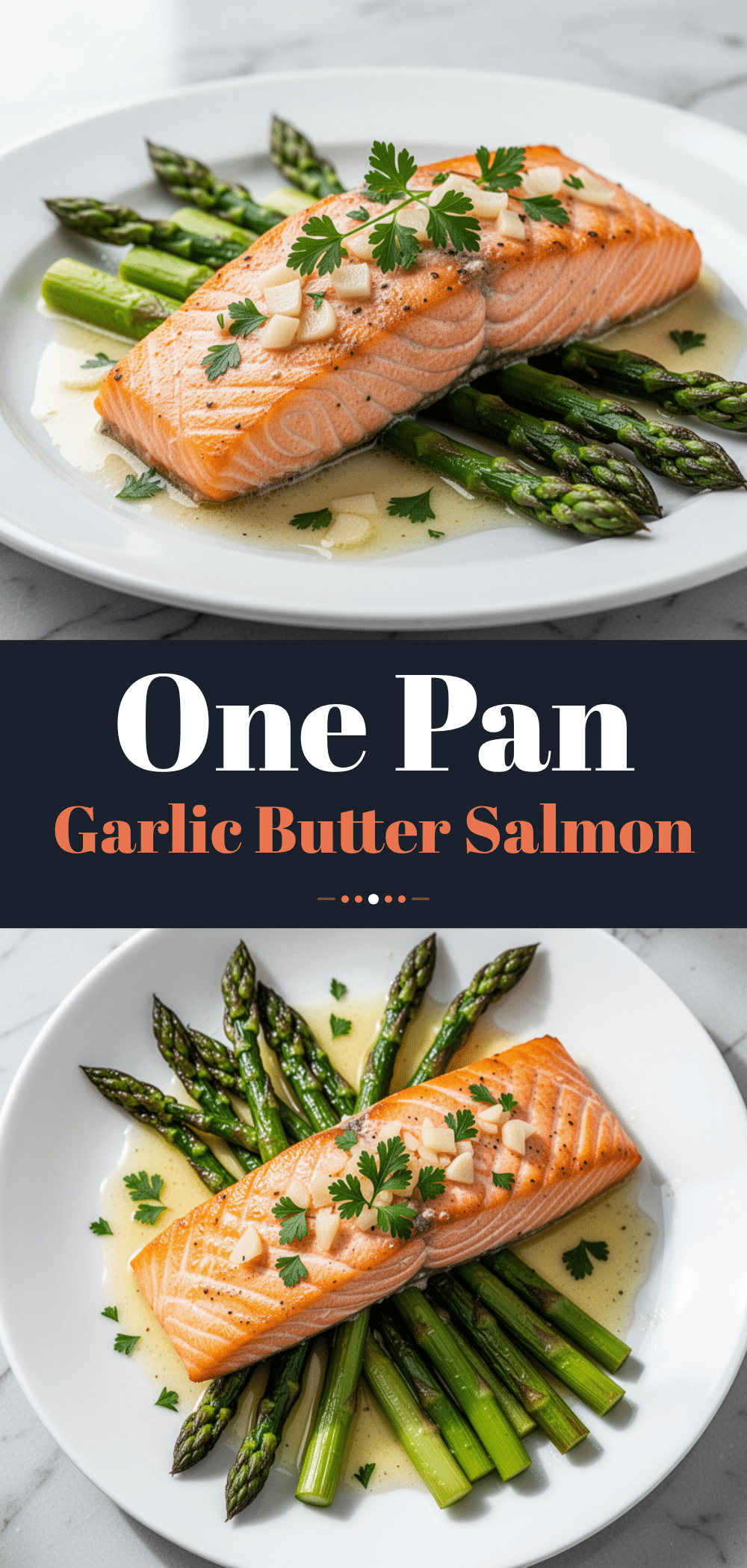
So, I did what any desperate home cook does: I grabbed the salmon fillets from the freezer and threw them on the same baking sheet as the sad asparagus. I drizzled them with butter, crushed some garlic on top, and shoved the whole thing into the oven. I was halfway to checking my phone for takeout menus when the smell hit me. It wasn’t just “cooking” smell; it was rich, garlicky, buttery heaven. By the time I pulled the pan out, the salmon was flaky and perfect, and the asparagus had caramelized into little crispy, savory sticks.
I sat down to eat, expecting a mediocre meal. Instead, I got something that tasted like it came from a high-end bistro. My husband looked at me over his fork and said, “This is it. This is the one.”
That’s how my relationship with one pan garlic butter salmon with roasted asparagus began. It started as a rescue mission for a forgotten vegetable, but it quickly became my secret weapon for weeknight dinners. I’ve made this salmon recipe at least a dozen times since that Tuesday. Some nights I add a squeeze of lemon. Some nights I sprinkle red pepper flakes. But the core method stays the same: simple, fast, and incredibly flavorful.
Here’s the thing about this dish—it’s not just about convenience. It’s about that moment when you realize you didn’t spend your entire evening standing over a stove. You got dinner on the table, you ate something healthy and protein-packed, and you still had time to actually relax. That’s the magic of this one pan garlic butter salmon with roasted asparagus. It’s the kind of meal that makes you feel like a good cook without the stress.
Why You’ll Love This One Pan Garlic Butter Salmon
There are about ten reasons I keep coming back to this recipe, but let’s be real—you’re probably here because you need dinner on the table fast, and you don’t want to feel guilty about it. This one pan garlic butter salmon with roasted asparagus checks every single box. It’s not just “easy”; it’s strategically simple.
Zero Cleanup Stress — Seriously, just one baking sheet. One piece of foil (or parchment paper). That’s it. No sautéing, no boiling, no scrubbing pots. If you can handle one pan, you can handle this dinner. I’ve cooked this while on conference calls, and the only mess is the dish soap.
Under 30 Minutes Total — The salmon takes about 12-15 minutes in the oven. The asparagus takes the same amount of time. That means your active prep time is maybe 10 minutes, and the rest is hands-off cooking. I make this on nights when I get home from soccer practice at 6:30 PM and need to eat by 7:00 PM. It just works.
Restaurant-Quality Flavor — Don’t let the simplicity fool you. The garlic butter sauce gets hot and bubbly, coating the fish and veggies in rich flavor. The salmon stays moist because it’s cooked gently, and the asparagus gets a nice char. It tastes fancy, but it’s basically just fish, butter, and garlic.
Healthy Without Being Boring — This is a protein powerhouse. Salmon has those good omega-3s, and asparagus is a fiber-rich green. It’s not a diet recipe—there’s plenty of butter here—but it’s nutrient-dense. I feel good eating this, unlike those heavy pasta nights that leave me sluggish.
Perfect for Leftovers — Okay, full disclosure: this stuff is so good I rarely have leftovers. But if you do, the salmon is amazing cold or reheated gently. I’ve even thrown the leftovers into salads the next day. The flavors hold up really well.
This is my go-to when I need dinner to just work. No complicated techniques, no weird ingredients, just reliable, delicious food that makes everyone happy. And honestly? It’s cheaper than ordering takeout, and you know exactly what went into it.
Ingredients You’ll Need
Here’s the best part: you probably have most of this already in your kitchen. This one pan garlic butter salmon with roasted asparagus relies on high-quality basics rather than a long list of obscure spices. I’m particular about three things here, and I’ll tell you exactly why.
Salmon Fillets (1.5 to 2 pounds / 680-900g) — I use wild-caught Atlantic or sockeye if I can find it, but farmed is totally fine too. The key is to buy fillets that are roughly the same thickness so they cook evenly. If you have one thick piece and one thin piece, wrap the thin end in foil to prevent it from drying out. Fresh is best, but frozen works if you thaw it overnight in the fridge.
Asparagus (1 large bunch / about 1 pound / 450g) — Look for spears that are fairly uniform in thickness. If you buy a bunch where some are super thin and some are thick, the thin ones will turn to mush before the thick ones are done. Snap off the woody ends before you start—I usually just bend the spear until it breaks, which tells you exactly where the tough part ends.
Unsalted Butter (4 tablespoons / 60g) — This is the heart of the sauce. I use unsalted so I can control the sodium, but you can use salted if you’re in a hurry. Melted butter creates that glossy, rich coating. Don’t skimp here; the butter carries the garlic flavor.
Garlic (4-5 cloves, minced / about 2 tablespoons) — Yes, five cloves. This is a garlic butter salmon, so lean into it. Fresh garlic only. I’ve tried using jarred minced garlic in this specific recipe, and the flavor is just too sharp and metallic. It ruins the delicate sweetness of the salmon. If you’re worried about chopping, buy pre-peeled garlic cloves—it’s worth the extra dollar to save the time and get the fresh taste.
Olive Oil (1 tablespoon / 15ml) — Just a little bit to help roast the asparagus and prevent the butter from burning. Extra virgin works great here since you’ll taste it on the veggies.
Lemon (1 large) — You’ll need juice for the sauce and wedges for serving. The acid cuts through the richness of the butter and brightens the fish. Don’t skip this step; it’s the difference between “heavy” and “balanced.”
Dried Parsley (1 teaspoon) — For color and a hint of freshness. Fresh parsley is nice, but it wilts too fast in the oven. Dried holds up better and distributes evenly.
Red Pepper Flakes (½ teaspoon, optional) — I add these because I like a little kick, but they’re totally optional. If you’re cooking for kids, leave them out or use a tiny pinch.
Salt and Black Pepper — To taste. I use kosher salt because it’s easier to sprinkle evenly.
Pro Tip on Shopping: I always buy my salmon from a place where I can ask them to cut it if needed. If your grocery store has a fish counter, ask for fillets about 6 ounces each. It makes portioning easier. And for the asparagus, try to pick bundles that fit nicely on your baking sheet without overlapping too much.
Equipment Needed
You don’t need fancy equipment for this. Here’s what I actually use, and what you can swap.
Large Baking Sheet — I use a standard half-sheet pan (18×13 inches). It needs to be big enough to hold the salmon and asparagus in a single layer. If your pan is too small, the veggies will steam instead of roast, and you won’t get that nice char. I prefer dark metal sheets because they conduct heat well, but light-colored aluminum works too.
Parchment Paper or Aluminum Foil — I line my pan with parchment paper. It makes cleanup a breeze—literally just crumple it up and toss it. Foil works fine if you grease it well with oil or butter, but parchment is my preference because nothing sticks.
Small Microwave-Safe Bowl or Saucepan — To melt the butter. I just use a small glass bowl in the microwave for 30 seconds. It’s faster than using a stove. If you don’t have a microwave, a small saucepan on low heat works.
Pastry Brush or Spoon — To spread the garlic butter over the salmon. I use a silicone pastry brush because it’s easy to clean, but a regular spoon works perfectly fine.
Sharp Knife and Cutting Board — For trimming the asparagus and mincing the garlic. A dull knife makes trimming asparagus frustrating. Learn from my mistakes—sharpen your knife.
Measuring Spoons — Standard stuff. I keep a basic set on my counter.
That’s really it. No stand mixer, no food processor, no fancy gadgets. Just a pan, a bowl, and some basic tools.
How to Make It: Step-by-Step
Alright, let’s make this! I’m walking you through exactly how I do it, including the little tricks I’ve picked up over the last year. This one pan garlic butter salmon with roasted asparagus is foolproof, but there are a few details that matter.
Step 1: Prep Your Oven and Pan (5 minutes)
Preheat your oven to 400°F (200°C). While it’s heating, line your large baking sheet with parchment paper or foil. This is crucial for easy cleanup. I usually spray the parchment with a little non-stick cooking spray just to be safe, though it’s not strictly necessary.
Step 2: Trim and Prep the Asparagus
Take your asparagus bunch and rinse it under cold water. Shake it dry—wet veggies don’t roast well. Now, trim the ends. Grab the bottom end of a spear and bend it. It will naturally snap where the tough part ends. Do this for the whole bunch, or just use a knife to cut off the bottom inch or two if you’re in a hurry. Toss the trimmed asparagus onto your prepared baking sheet. Drizzle with the olive oil and sprinkle with a pinch of salt and pepper. Toss them with your hands to coat evenly.
Step 3: Prepare the Salmon
Pat the salmon fillets dry with paper towels. This seems minor, but drying the fish helps the skin crisp up (if you’re leaving it on) and helps the seasoning stick. Place the fillets on the baking sheet, next to the asparagus. If your fillets are very different sizes, arrange them so the thicker ones are closer to the center of the pan where heat is most consistent.
Step 4: Make the Garlic Butter Sauce
In your small microwave-safe bowl, combine the melted butter, minced garlic, lemon juice, dried parsley, and red pepper flakes (if using). Whisk it together with a fork until it’s emulsified. The mixture should look creamy and fragrant. If the butter has solidified a bit, just microwave it for another 10 seconds.
Step 5: Assemble and Season
Pour the garlic butter mixture generously over the salmon fillets. Use the back of your spoon to spread it around, making sure the top and sides of the fish are coated. Don’t worry about getting butter on the asparagus; it’ll pick up some drippings in the oven. Sprinkle the salmon with a little extra salt and black pepper. The asparagus should already be seasoned, but give it one final shake of salt if needed.
Step 6: Roast
Place the baking sheet in the preheated oven. Bake for 12-15 minutes. The exact time depends on the thickness of your fillets. A general rule of thumb: cook for 4-5 minutes per half-inch of thickness. You’ll know it’s done when the salmon flakes easily with a fork and the internal temperature reaches 145°F (63°C). The garlic butter will be bubbling around the edges, and the asparagus should be tender-crisp with some browned tips.
Step 7: Serve
Remove the pan from the oven. Let it rest for 2 minutes. This allows the juices to redistribute in the fish. Serve immediately, scooping the asparagus and salmon onto plates. Spoon any extra garlic butter from the pan over the top. Garnish with fresh lemon wedges and fresh parsley if you have it.
Total Time: About 25 minutes (10 minutes prep, 15 minutes cooking)
Expert Tips & Tricks
Here’s everything I’ve learned from making this dozens of times. These tips will save you from my mistakes.
Don’t Overcook the Salmon — This is the #1 mistake people make. Salmon continues to cook slightly after you take it out of the oven. If it looks “perfect” in the oven, it might be overdone by the time you plate it. Pull it out when it’s just opaque in the center but still slightly glossy. It will finish cooking on the plate. Overcooked salmon is dry and chewy, and nobody wants that.
Uniform Asparagus Speaks Volumes — If you buy a bunch of asparagus where the spears are wildly different sizes, you have two options: either trim the thick ones shorter so they cook at the same rate as the thin ones, or roast them separately for a few minutes before adding the salmon. I usually just pick the most uniform bunch I can find at the store. It saves stress.
Garlic Burns Easily — Because we’re using minced fresh garlic, it can burn if the oven is too hot or if it’s exposed directly to the heating element. That’s why we mix it with butter and lemon juice—it creates a protective layer. Also, 400°F is the sweet spot. Don’t go higher, or you’ll get bitter burnt garlic.
Save the Pan Drippings — That golden liquid at the bottom of the pan? It’s liquid gold. Mix it with a little extra melted butter and drizzle it over the fish when you serve. It’s the most flavorful part of the meal.
Room Temperature Fish — If you have time, take the salmon out of the fridge 15 minutes before cooking. Cold fish going into a hot oven can cook unevenly. It’s not a dealbreaker, but it helps.
Variations & Substitutions
Once you’ve nailed the basic version, here’s how you can mix it up. I’ve tried all of these, and they all work.
Lemon Herb Version — Swap the red pepper flakes for fresh thyme or dill. Add the herbs to the garlic butter right before baking. It’s lighter and more Mediterranean.
Spicy Cajun Salmon — Mix 1 teaspoon Cajun seasoning into the garlic butter. Add a pinch of cayenne. It changes the vibe completely—smoky, spicy, and bold.
Honey Garlic Glaze — Add 1 tablespoon of honey to the butter mixture. It caramelizes in the oven and creates a sticky, sweet-savory glaze. My kids love this version.
Vegetable Swap — Not a fan of asparagus? This method works great with green beans, broccoli florets, or even sliced zucchini. Just adjust the cooking time slightly—zucchini cooks faster, so add it 5 minutes after the salmon starts.
Dietary Modifications:
- Dairy-Free: Swap the butter for olive oil or dairy-free margarine. The garlic lemon flavor still shines.
- Gluten-Free: This recipe is naturally gluten-free. Just double-check your seasoning blends.
- Keto/Low-Carb: This is perfect for keto. High fat, moderate protein, low carb. Serve with cauliflower rice instead of potatoes.
Serving & Storage
How to Serve:
I usually serve this straight from the baking sheet to the table—it looks rustic and stays warm. But here are other ways I’ve enjoyed it:
- With Grains: Quinoa, brown rice, or couscous soak up the garlic butter beautifully.
- With Potatoes: Roasted baby potatoes or mashed potatoes are classic pairings.
- With Salad: A simple arugula salad with lemon vinaigrette cuts through the richness.
Storage Instructions:
Store leftovers in an airtight container in the refrigerator for up to 3 days. The salmon will firm up in the fridge, which is normal. Reheat gently in a skillet over low heat with a splash of water or broth, or in the microwave at 50% power in 30-second intervals. Avoid high heat, or the fish will become rubbery.
Freezing:
I don’t recommend freezing this dish. The texture of the salmon changes after freezing and thawing, and the asparagus becomes mushy. It’s best made fresh.
Nutrition Information
I’m not a nutritionist, but here’s the breakdown if you’re tracking. Per serving (based on 4 servings, 1 fillet and 1/4 of the asparagus):
- Calories: 380
- Protein: 34g
- Carbs: 6g
- Fiber: 2g
- Fat: 24g
- Sodium: 450mg
It’s high in protein and healthy fats, with very few carbs. The sodium comes mainly from the salt and any added seasonings, so you can control that by using low-sodium broth or less salt. This is definitely comfort food, but it’s nutrient-dense comfort food.
Final Thoughts
So that’s my go-to one pan garlic butter salmon with roasted asparagus! It’s simple, it’s fast, and it tastes incredible. I’ve made this recipe so many times that it’s basically on autopilot now. But every time I pull that pan out of the oven and smell that garlic butter, I’m still happy. It’s a reminder that good dinner doesn’t have to be complicated.
Make it yours! Try different herbs, swap the veggies, or add more lemon. The best recipes are the ones you adapt to your family’s tastes. If you make this, drop a comment and let me know what you think! I love hearing how recipes turn out in your kitchen.
Happy cooking! And I hope your kitchen smells half as good as mine does right now.
Frequently Asked Questions
Can I use frozen salmon?
Yes, but you need to thaw it completely first. Thaw it overnight in the fridge or in a bag of cold water. Pat it very dry before seasoning. If you cook it frozen, it’ll release too much water and steam instead of roast.
How do I know when the salmon is done?
The easiest way is to poke it with a fork. If it flakes apart easily and is opaque throughout, it’s done. If you want to be precise, use a meat thermometer. 145°F is the safe temperature, but many chefs pull it at 140°F since it carries over.
Can I cook this in an air fryer?
Absolutely. Cook at 400°F for 8-10 minutes. You might need to cook the asparagus first for a few minutes before adding the salmon, depending on the size of your air fryer basket.
Why did my salmon dry out?
It was likely overcooked. Salmon cooks very quickly. Check it a minute or two before the timer goes off. Also, if your fillets were very thin, they cook faster than the recipe suggests.
Can I make this ahead of time?
You can prep everything ahead of time—trim the asparagus, mix the butter, and chop the fish. Just keep everything in the fridge and cook it when you’re ready. Don’t let the raw salmon sit with the garlic butter for more than 30 minutes before cooking, or the acid in the lemon can start to “cook” the fish (ceviche-style), which changes the texture.
Pin This Recipe!
One Pan Garlic Butter Salmon with Roasted Asparagus
- Total Time: 25 minutes
- Yield: 4 servings 1x
Description
A quick and easy weeknight dinner featuring flaky salmon and caramelized asparagus roasted together on a single baking sheet with a rich garlic butter sauce.
Ingredients
- 1.5 to 2 pounds salmon fillets
- 1 large bunch asparagus (about 1 pound)
- 4 tablespoons unsalted butter
- 4–5 cloves garlic, minced
- 1 tablespoon olive oil
- 1 large lemon (juice and wedges)
- 1 teaspoon dried parsley
- 1/2 teaspoon red pepper flakes (optional)
- Salt and black pepper to taste
Instructions
- Preheat oven to 400°F (200°C). Line a large baking sheet with parchment paper or foil.
- Rinse asparagus and shake dry. Trim woody ends by bending spears until they snap naturally. Place on baking sheet, drizzle with olive oil, and season with salt and pepper.
- Pat salmon fillets dry with paper towels and place on the baking sheet next to the asparagus.
- In a microwave-safe bowl, combine melted butter, minced garlic, lemon juice, dried parsley, and red pepper flakes. Whisk until emulsified.
- Pour the garlic butter mixture over the salmon fillets, coating the top and sides. Sprinkle with additional salt and pepper.
- Roast in the preheated oven for 12-15 minutes, or until salmon flakes easily with a fork and reaches an internal temperature of 145°F.
- Remove from oven and let rest for 2 minutes before serving. Spoon pan drippings over the top and serve with lemon wedges.
Notes
Ensure salmon fillets are roughly the same thickness for even cooking. Do not overcook the salmon as it continues to cook after removal from the oven. For best results, use fresh minced garlic rather than jarred. If using frozen salmon, thaw completely and pat very dry before cooking.
- Prep Time: 10 minutes
- Cook Time: 15 minutes
- Category: Main Course
- Cuisine: American
Nutrition
- Serving Size: 1 fillet and 1/4 of
- Calories: 380
- Sugar: 2
- Sodium: 450
- Fat: 24
- Saturated Fat: 12
- Carbohydrates: 6
- Fiber: 2
- Protein: 34
Keywords: salmon, asparagus, one pan dinner, garlic butter, weeknight dinner, healthy dinner, keto friendly, gluten free, easy recipes