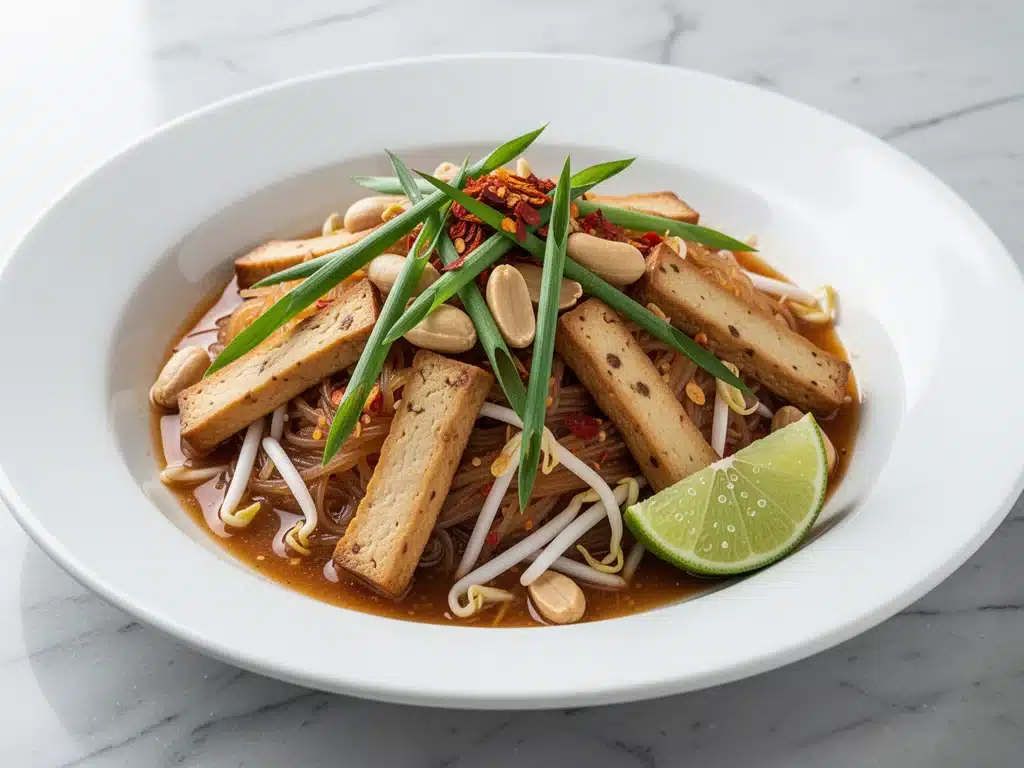
I have a confession to make. For years, I was the person who ordered Pad Thai from the local Thai spot every single Friday night. You know the one—the crispy rice noodles, the generous pile of bean sprouts, the dusting of crushed peanuts, and that sauce that was just sweet, salty, and perfectly tangy. I loved it. I was addicted to it. And I thought making it at home would be some complicated, hours-long project involving a mortar and pestle and ingredients I couldn’t pronounce.
Then, three years ago, I tried making Restaurant-Style Pad Thai with Tamarind Sauce better than takeout for the first time. I was tired, I had leftovers in the fridge, and I just wanted something fast. I followed a recipe that felt intimidating, but I stuck with it. Twenty minutes later, I was eating noodles that were somehow crispier, saucier, and more flavorful than anything I’d ever ordered delivery. My husband looked at me like I’d grown a second head. “Did you order out?” he asked. I shook my head. That was the night I realized I didn’t need takeout anymore.
This isn’t just another stir-fry recipe. This is the one I’ve tested 12 times to get the balance right. The sweet, sour, salty, and spicy notes need to hit at the exact same time. If you use the wrong tamarind, the sauce is too sour. If you cook the noodles too long, they turn to mush. But once you crack the code? You’re set for life.
I’ve made this Restaurant-Style Pad Thai with Tamarind Sauce better than takeout for dinner parties, for quick weeknight meals when I’m exhausted, and even for lunch the next day (it reheats surprisingly well). It’s become my go-to comfort food that actually feels like a treat. So, let’s get into the kitchen. I’m going to show you exactly how to make it, why your previous attempts might have failed, and how to get that restaurant-quality taste in your own home.
Why You’ll Love This Pad Thai Recipe
There are a few reasons this specific version of Pad Thai has taken over my kitchen. It’s not just about taste—though the taste is incredible. It’s about how easy it is to pull off when you’re busy, and how customizable it is.
Authentic Flavor Without the Fuss — The secret is in the sauce balance. I’ve spent months tweaking the ratio of tamarind, fish sauce, and sugar to get that perfect sweet-and-sour kick. It tastes like it came from a busy street stall in Bangkok, not a slow-cook experiment.
Ready in 20 Minutes — Seriously. From the moment you chop the garlic to the moment you plate it, it’s 20 minutes. The noodles cook fast. The sauce comes together in a bowl. This is the ultimate weeknight savior.
Pantry Staples (With One Special Ingredient) — You probably have 90% of this already. Rice noodles, eggs, garlic, soy sauce, sugar. The only special item is tamarind paste, and I’ll tell you exactly which kind to buy so you don’t waste money.
Crowd-Pleasing Versatility — I’ve made this with shrimp, with chicken, with tofu, and just plain. Everyone at the table loves it. It’s a great way to use up leftover veggies or proteins. If you have creamy hatch chile queso dip leftovers, you could even add some spicy chicken to this for a fusion twist, though I stick to the classic for authenticity.
Makes Amazing Leftovers — Pad Thai actually tastes better the next day. The noodles absorb more of that tamarind sauce, and the flavors meld together. I often make a double batch on Sunday for lunch during the week.
This is my answer to “what’s for dinner” when I want something exciting but don’t want to spend an hour cooking. It’s reliable, delicious, and makes your house smell amazing.
Ingredients You’ll Need
Here’s the thing about Pad Thai: the quality of your ingredients matters more than the technique. You don’t need fancy tools, but you do need the right components. Let’s break down what you need and why.
For the Noodles
Rice Noodles (Flat, 6mm wide) (8 oz / 225g) — This is non-negotiable. You need flat rice noodles, often labeled as “Pad Thai noodles” or “sen yai.” Avoid the round vermicelli noodles; they have a completely different texture. Look for brands like Mae Ploy or Thai Kitchen in the Asian aisle. Soaking them in warm water is key—never boil them until they are soft.
For the Magic Tamarind Sauce
Tamarind Paste (3 tablespoons / 45g) — This is the heart of the dish. Buy the block of tamarind paste (the dark, sticky kind), not the sweetened concentrate drink mix. The paste is sour and tangy. If you can’t find it, look for tamarind concentrate in a bottle, but adjust the sugar accordingly. This ingredient gives Pad Thai its signature flavor.
Fish Sauce (3 tablespoons / 45ml) — This adds the salty, umami depth. Don’t skip it, even if you’re wary of it. It doesn’t make the dish taste like fish; it makes it taste savory. I use Red Boat brand because it’s pure and clean-tasting. For a vegetarian version, substitute with soy sauce or mushroom sauce, though the flavor will be different.
White Sugar (2 tablespoons / 25g) — Or palm sugar if you can find it. Palm sugar has a deeper, caramel-like flavor that is traditional, but white sugar works fine if that’s all you have. You need enough sugar to balance the sour tamarind.
White Vinegar (1 tablespoon / 15ml) — Adds a sharp brightness to cut through the richness. Rice vinegar works too, but white vinegar gives that specific tangy punch.
Garlic (4 cloves, minced / about 2 tablespoons) — Fresh garlic is essential. Jarred garlic just doesn’t have the punch needed here. Mince it finely so it distributes evenly.
Red Pepper Flakes (1 teaspoon) — For a little heat. Adjust to your spice tolerance. I like a bit of kick to balance the sweet sauce.
For the Stir-Fry
Protein (1 lb / 450g) — I usually use medium shrimp, peeled and deveined. Chicken breast, sliced thin, works great too. Tofu is a fantastic vegetarian option—press it first and pan-fry it until crispy.
Eggs (2 large) — Beaten. They add richness and body to the dish. I scramble them directly in the wok before adding the noodles.
Bean Sprouts (1 cup / 100g) — Fresh, crunchy bean sprouts add texture. Some go in during cooking, some go on top at the end. I do both.
Green Onions (3 stalks, chopped) — Both the white and green parts. The whites go in early for flavor, the greens go in at the end for color.
Dried Shrimp (Optional) (1 tablespoon) — This is a pro-tip. Dried shrimp adds a deep, savory seafood flavor that’s traditional in authentic Pad Thai. If you can’t find them, skip it, but they’re worth seeking out if you want that restaurant taste.
Crushed Peanuts (¼ cup / 30g) — For garnish. Roasted, unsalted peanuts are best. Crush them roughly in a bag with a rolling pin.
Lime Wedges — For serving. Fresh lime juice is the final touch.
Equipment Needed
You don’t need a professional wok, but you do need something with high heat retention. Here’s what I use.
Large Wok or Skillet — A 12-inch wok is ideal because it has high sides and allows you to toss the noodles easily. If you don’t have a wok, a large non-stick skillet or a cast-iron pan works. The key is surface area; you want the noodles to spread out, not steam in a pile.
Bowl for Soaking Noodles — Just a large bowl for the warm water soak.
Mixing Bowl for Sauce — To whisk the tamarind, fish sauce, sugar, and vinegar together before cooking. It’s easier to mix the sauce first so you don’t scramble during the stir-fry.
Tongs or Spatula — Tongs are great for tossing the noodles. A wide spatula works for scraping the bottom of the pan.
Measuring Spoons — Precision matters with the sauce ratios.
How to Make It: Step-by-Step
Alright, let’s make this! I’m walking you through exactly how I do it, including the little tricks I’ve picked up over the years.
Step 1: Prep the Noodles (10 minutes)
Bring a kettle or pot of water to a boil, then let it cool for a minute so it’s hot but not boiling. Place your rice noodles in a large bowl and pour the hot water over them. Let them soak for 8-10 minutes. They should be flexible and soft but still have a bit of bite (al dente). Drain them and rinse with cold water to stop the cooking. Toss with a teaspoon of oil to prevent sticking. This step is crucial—soaked noodles cook in seconds in the wok. If you boil them, they’ll turn to mush.
Step 2: Make the Sauce (2 minutes)
In a small bowl, whisk together the tamarind paste, fish sauce, sugar, vinegar, and minced garlic. Stir until the sugar and tamarind are completely dissolved. Taste it. It should be a strong balance of sour, salty, and sweet. If it’s too sour, add a bit more sugar. If it’s too salty, add a splash of water. This sauce will flavor the entire dish, so get it right now.
Step 3: Cook the Protein (3 minutes)
Heat your wok or skillet over medium-high heat. Add 1 tablespoon of oil. If using shrimp or chicken, add them now. Cook until just barely done (shrimp will turn pink, chicken will be opaque). Remove from the wok and set aside on a plate. Don’t overcook them now; they’ll finish cooking later.
Step 4: Scramble the Eggs (1 minute)
Add another tablespoon of oil to the same wok. Pour in the beaten eggs. Scramble them quickly, breaking them into small curds. Once they’re just set, push them to the side of the wok.
Step 5: Stir-Fry the Noodles (3-4 minutes)
Add the soaked noodles to the wok. Pour the sauce mixture over the noodles. Add the cooked protein back in. Now, the fun part: toss everything together. Use tongs to lift and turn the noodles, ensuring they absorb the sauce. Add half of the bean sprouts and the white parts of the green onions. Stir-fry for 2-3 minutes. The noodles will darken as they absorb the sauce. If it looks dry, add a splash of water. If it’s too wet, keep tossing until it evaporates.
Step 6: Finish and Serve (1 minute)
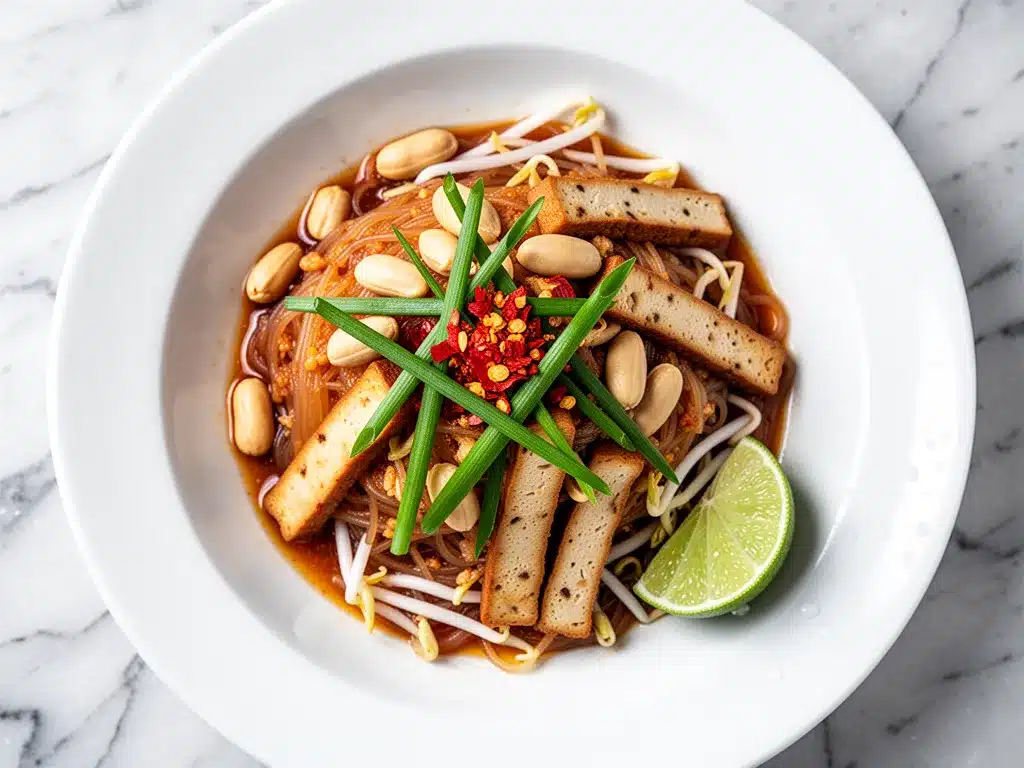
Turn off the heat. Add the remaining bean sprouts and green onion greens. Toss once more. Plate immediately. Top with crushed peanuts, a sprinkle of red pepper flakes, and a wedge of lime. Squeeze the lime over the top right before eating.
Total time: About 20 minutes.
Expert Tips & Tricks
Here’s everything I’ve learned from making this dozens of times. These tips will save you from my mistakes.
Don’t Boil the Noodles — This is the #1 mistake people make. Rice noodles for Pad Thai should be soaked, not boiled. Boiling makes them sticky and mushy. Soaking keeps them separate and chewy.
High Heat is Key — Pad Thai is a stir-fry. You want a hot wok to get that slight char and smoky flavor (wok hei). If your pan isn’t hot enough, the noodles will steam and get soggy. Get that pan smoking before you add oil.
Balance Your Sauce — Taste the sauce before you cook. It should be stronger than you think it needs to be. The noodles and proteins will dilute the flavor slightly. If the sauce is bland, the whole dish will be bland.
Add Lime at the End — The acidity of the lime brightens the whole dish. If you cook it, the flavor fades. Squeeze it fresh over the plate right before you eat.
Use Cold Noodles — If you’re meal prepping, cook the noodles ahead and chill them. Cold noodles stir-fry better because they’re firmer and less likely to break.
Variations & Substitutions
Once you’ve nailed the basic version, here’s how you can mix it up. I’ve tried all of these.
Vegetarian Pad Thai — Skip the fish sauce and use soy sauce or mushroom sauce. Use tofu instead of shrimp or chicken. Add extra veggies like carrots, bell peppers, and mushrooms. It’s just as delicious.
Chicken Pad Thai — Slice chicken breast thinly against the grain. Marinate it in a little cornstarch and soy sauce for 10 minutes before cooking. This makes it tender and silky.
Seafood Lovers — Use a mix of shrimp and squid. Squid cooks very fast, so add it in the last minute of cooking.
Gluten-Free — Rice noodles are naturally gluten-free. Just make sure your fish sauce and soy sauce (if used) are certified gluten-free, as some brands contain wheat.
Spicy Kick — Add fresh chopped chili peppers or a dash of sriracha to the sauce if you like it hotter.
Serving & Storage
How to Serve: I serve this straight from the wok, piled high on plates. It’s rustic and inviting. Pair it with a simple cucumber salad or small-batch refrigerator pickled red onions for a tangy crunch that cuts through the richness.
Leftovers: Store in an airtight container in the fridge for up to 3 days. The noodles will absorb more sauce, so they might look dry. Add a splash of water when reheating to loosen them up.
Reheating: The best way is in a skillet over medium heat with a splash of water. Microwave works too, but cover it to keep moisture in. Avoid the microwave if you can; it tends to make the noodles rubbery.
Freezing: I don’t recommend freezing Pad Thai. The texture of the noodles changes too much when thawed. It’s best eaten fresh.
Nutrition Information
I’m not a nutritionist, but here’s the breakdown if you’re tracking. This is per serving (based on 4 servings).
- Calories: 450
- Protein: 25g
- Carbs: 55g
- Fiber: 3g
- Fat: 12g
- Sodium: 800mg
It’s a balanced meal with protein, carbs, and veggies. To lighten it up, use less oil and more veggies. To make it richer, add extra peanuts and shrimp.
Final Thoughts
So that’s my go-to Restaurant-Style Pad Thai with Tamarind Sauce better than takeout! I’ve probably talked your ear off at this point, but when you make a recipe this often, you have a lot to say about it.
This has saved weeknight dinners more times than I can count. It’s my answer to “what’s for dinner” when I’m tired, don’t want takeout, and still want something that tastes really good. My kids are happy, my husband’s happy, and I’m happy because I’m not stressed about cooking.
Make it yours! Try different add-ins, swap in your favorite vegetables, adjust the garlic (though more is always better in my opinion). The best recipes are the ones you adapt to your family’s tastes.
If you make this, drop a comment and let me know what you think! I love hearing how recipes turn out in your kitchen. And if something doesn’t work, tell me that too—I’m here to help troubleshoot.
Happy cooking! And I hope your kitchen smells half as good as mine does right now.
Frequently Asked Questions
Can I use regular spaghetti instead of rice noodles?
You can, but it won’t be authentic Pad Thai. Spaghetti has a different texture and absorbs sauce differently. Rice noodles are light, chewy, and slippery, which is the hallmark of the dish. If you’re out of rice noodles, lo mein noodles are a closer substitute than spaghetti.
What is tamarind paste, and where do I find it?
Tamarind paste is a thick, dark brown paste made from the pulp of the tamarind tree. It’s sour, tangy, and slightly sweet. You can find it in the Asian section of most grocery stores, usually near the soy sauce and noodles. Look for the block of paste in the produce section or the jarred concentrate.
Why did my noodles stick together?
This usually happens if you didn’t soak them properly or if you didn’t toss them with oil after draining. Make sure to rinse them with cold water after soaking and toss with a little oil before adding them to the wok.
Can I make this ahead of time?
You can prep the ingredients ahead. Soak the noodles, chop the veggies, and mix the sauce. But don’t stir-fry until you’re ready to eat. The noodles will get soggy if they sit in the sauce too long.
Is fish sauce necessary?
It adds a unique umami flavor that’s hard to replace. If you hate the smell of fish sauce, try it in small amounts first. It doesn’t taste fishy in the final dish. For vegetarians, use soy sauce or mushroom sauce, but the flavor will be slightly different.
How spicy is this recipe?
It’s mild by default. The red pepper flakes add a gentle warmth. If you want it spicier, add fresh chili peppers or more red pepper flakes to the sauce.
Can I use chicken instead of shrimp?
Absolutely. Slice chicken breast thinly and cook it until just done before removing it from the wok. It works perfectly in this recipe.
Pin This Recipe!
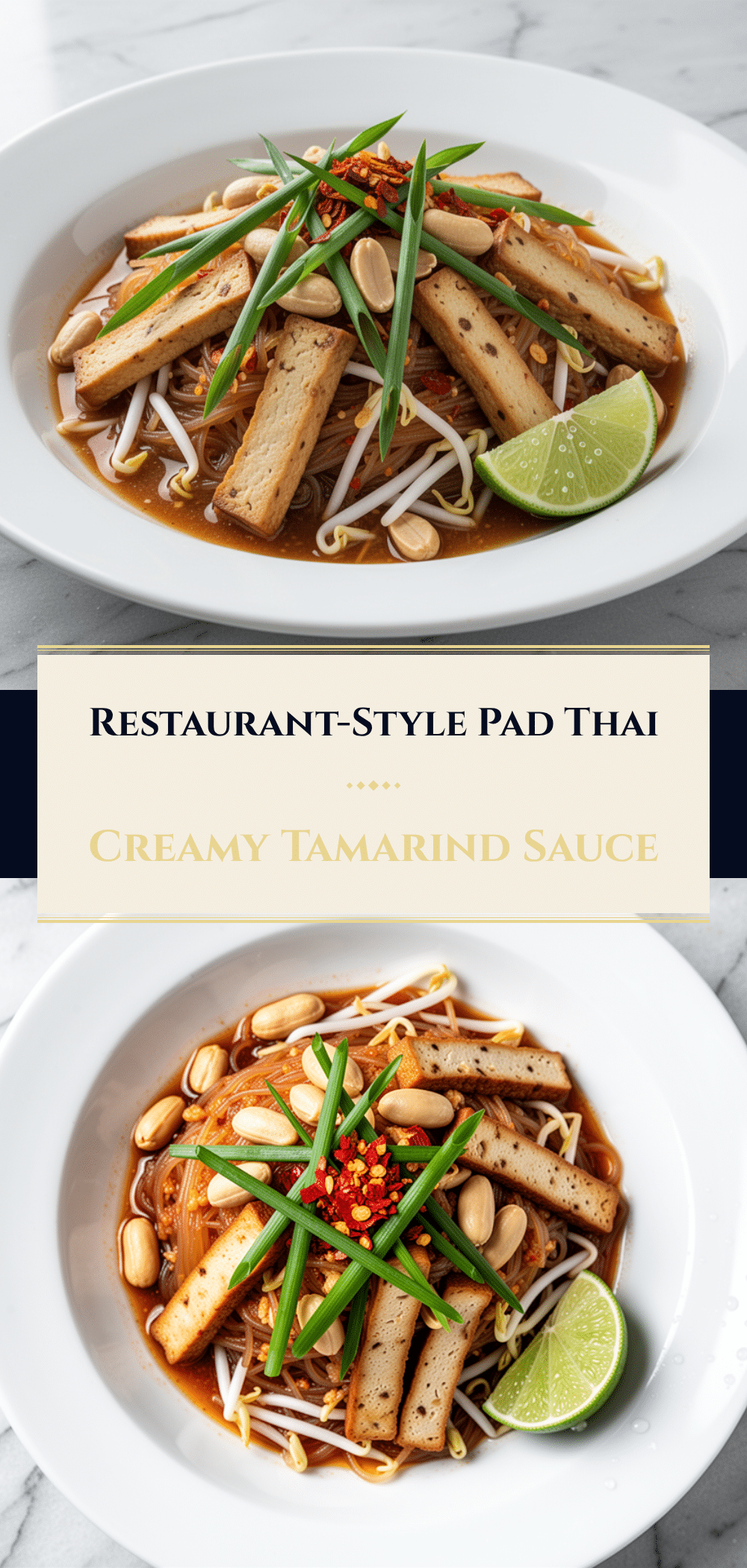
Restaurant-Style Pad Thai: Better Than Takeout
- Total Time: 20 minutes
- Yield: 4 servings 1x
Description
An authentic, restaurant-quality Pad Thai recipe that balances sweet, sour, salty, and spicy flavors. Ready in just 20 minutes using pantry staples and tamarind sauce for a taste better than takeout.
Ingredients
- 8 oz (225g) flat rice noodles (6mm wide)
- 3 tablespoons (45g) tamarind paste
- 3 tablespoons (45ml) fish sauce
- 2 tablespoons (25g) white sugar (or palm sugar)
- 1 tablespoon (15ml) white vinegar
- 4 cloves garlic, minced
- 1 teaspoon red pepper flakes
- 1 lb (450g) protein (shrimp, chicken, or tofu)
- 2 large eggs, beaten
- 1 cup (100g) fresh bean sprouts
- 3 stalks green onions, chopped
- 1 tablespoon dried shrimp (optional)
- ¼ cup (30g) crushed peanuts
- Lime wedges for serving
- Oil for cooking
Instructions
- Soak rice noodles in hot water for 8-10 minutes until flexible but al dente. Drain, rinse with cold water, and toss with a teaspoon of oil to prevent sticking.
- In a small bowl, whisk together tamarind paste, fish sauce, sugar, vinegar, and minced garlic until dissolved. Taste and adjust sweetness or saltiness if needed.
- Heat a wok or skillet over medium-high heat with 1 tablespoon of oil. Cook protein (shrimp or chicken) until just done, then remove and set aside.
- Add another tablespoon of oil to the wok. Pour in beaten eggs and scramble quickly into small curds. Push to the side.
- Add soaked noodles to the wok. Pour the sauce mixture over the noodles and add the cooked protein back in. Toss to combine.
- Add half of the bean sprouts and the white parts of the green onions. Stir-fry for 2-3 minutes until noodles absorb the sauce and darken.
- Turn off heat. Add remaining bean sprouts and green onion greens. Toss once more.
- Plate immediately and top with crushed peanuts, red pepper flakes, and a squeeze of fresh lime juice.
Notes
Do not boil the rice noodles; soaking them in hot water is crucial to prevent mushiness. Ensure the wok is very hot to achieve ‘wok hei’ (smoky flavor). The sauce should taste strong before cooking as the noodles will dilute it. Add lime juice fresh at the end for brightness. Leftovers can be stored in the fridge for up to 3 days; reheat with a splash of water in a skillet.
- Prep Time: 10 minutes
- Cook Time: 10 minutes
- Category: Main Course
- Cuisine: Thai
Nutrition
- Serving Size: 1 plate
- Calories: 450
- Sugar: 18
- Sodium: 800
- Fat: 12
- Saturated Fat: 2
- Carbohydrates: 55
- Fiber: 3
- Protein: 25
Keywords: Pad Thai, Thai food, tamarind sauce, stir fry, quick dinner, weeknight meals, restaurant style, better than takeout, gluten-free option