Last Saturday, I woke up at 10 a.m. with a headache that felt like someone was tightening a vice around my temples. I didn’t want to get up. I didn’t want to rush. I just wanted to stay under the covers, wrapped in warmth, while the world outside was busy and loud. But my stomach was empty, and the idea of cooking anything that required standing over a stove, whisking, flipping, or worrying about timing felt impossible.
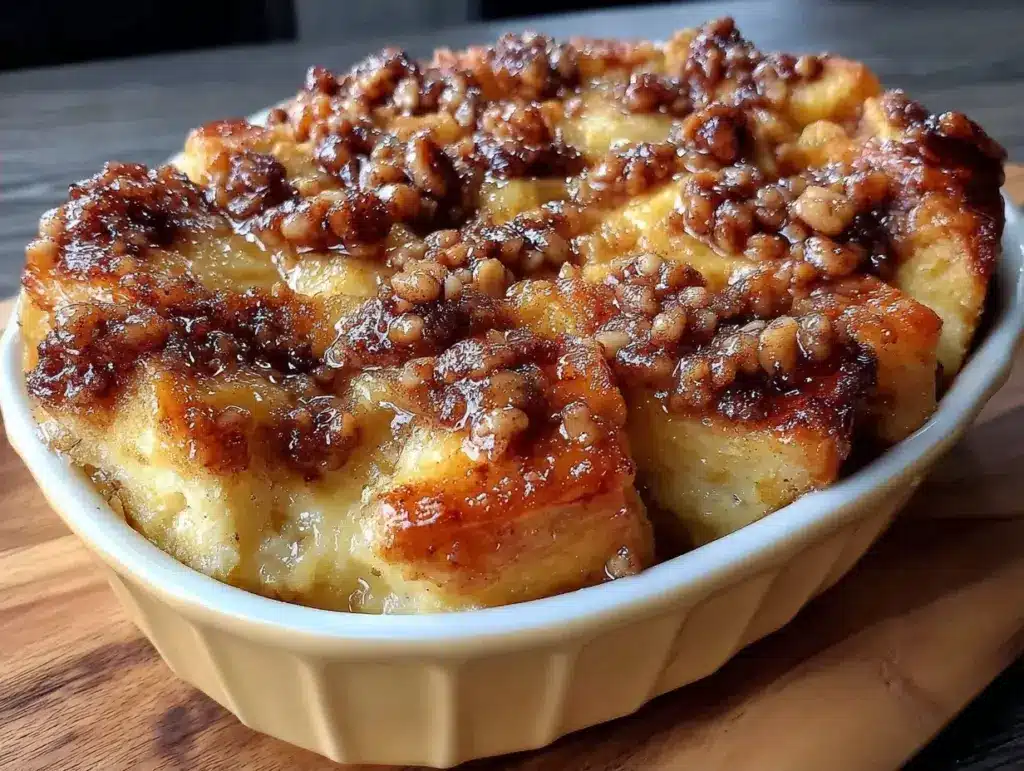
So I did something I’ve been meaning to try for months. I made the never-soggy overnight French toast casserole the night before. I spent ten minutes before bed throwing bread into a dish, pouring in the custard, and popping it into the fridge. I went to sleep. I woke up, walked to the kitchen, put it in the oven, and went back to bed for another twenty minutes. When I finally sat down with a mug of tea and a slice of golden, custardy bread, I felt something shift. The rush was gone. The anxiety about breakfast was gone. There was just me, the quiet morning light, and a meal that felt like a hug.
That’s why I’m sharing this recipe. It’s not just about breakfast. It’s about reclaiming a slow morning. It’s about giving yourself permission to rest while the kitchen does the work. This overnight French toast casserole is the antidote to the busy morning rush. It’s soft, it’s sweet, and it’s incredibly forgiving. You don’t need to be a chef to make it. You just need a baking dish, some stale bread, and the desire to treat yourself gently.
I’ve tested this version about a dozen times, tweaking the bread-to-custard ratio until I hit that perfect sweet spot: crispy on top, custardy in the middle, and never, ever soggy. (Yes, that’s the hardest part to get right with overnight casseroles, but I’ve cracked the code.) If you’re looking for a way to start your day with a little more calm and a little less chaos, this is it. It’s the one to make when you need to take care of yourself, whether you’re healing from a long week, recovering from an illness, or just really, really tired.
Why You’ll Love This Overnight French Toast Casserole
There are a few reasons this has become my go-to comfort breakfast, especially on days when I feel like I’m running on empty. It’s not just about the taste—though it is delicious. It’s about the feeling it gives you.
- Zero Morning Stress — Seriously. The hardest part is doing it the night before. The next morning, you just pull it out of the fridge and put it in the oven. No chopping, no whisking, no standing over a hot griddle. I can literally put this in the oven while I’m brushing my teeth.
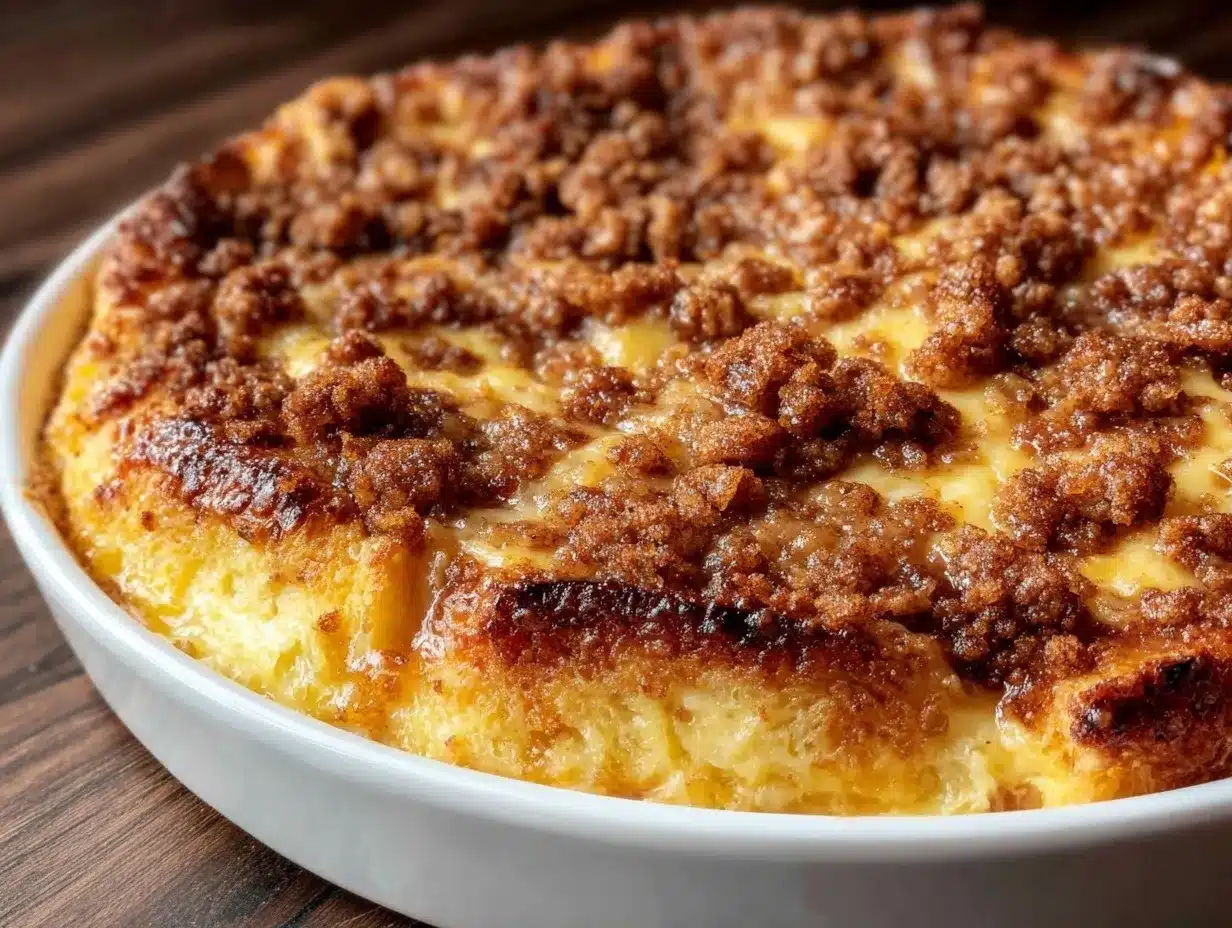
- Actually Crispy, Not Soggy — Most overnight casseroles turn into a wet, mushy mess by noon. Not this one. By using slightly stale bread and a specific baking technique, the bottom stays firm and the top gets a beautiful, golden crust. It’s the texture you dream about.
- Uses Up Stale Bread — Do you have a loaf of bread that’s gone dry and tough in your pantry? Perfect. This recipe is designed for it. Fresh bread gets too soft; stale bread soaks up the custard like a sponge without falling apart. It’s zero-waste cooking at its most comforting.
- Feels Like a Treat, Costs Pennies — It tastes like something you’d get at a fancy brunch spot, but it’s made with pantry staples. Bread, eggs, milk, butter, sugar. That’s it. It’s affordable self-care.
- Perfect for Solitude — I make this when I’m alone. It’s a quiet ritual. I like to sit by the window with my slice and just… be. It’s nourishing in a way that toast and coffee just isn’t.
This recipe has saved my mornings more times than I can count. It’s my answer to “I have no energy but I need to eat.” It’s gentle on the stomach and gentle on the mind. If you’re feeling burnt out, try this. It’s easy enough to make when you’re exhausted, but special enough to make you feel cared for.
Ingredients You’ll Need
The beauty of this overnight French toast casserole is how simple the ingredient list is. You probably have most of this in your kitchen already. I’m not asking you to go to the store for anything fancy. Just good, honest ingredients.
For the Bread Base
Stale bread (1 loaf, about 12-14 cups cubed) — This is the most important part. I use sourdough or brioche, but any thick-cut bread works. It needs to be stale. If your bread is fresh, toast the cubes in the oven for 10 minutes at 350°F to dry them out slightly. Fresh bread will turn to mush. Sourdough gives a nice tangy contrast to the sweet custard.
Butter (3 tablespoons, melted) — For brushing the top. I use unsalted butter so I can control the salt. If you’re dairy-free, use a good quality plant-based butter, though the flavor is slightly different.
For the Custard
Eggs (6 large) — Room temperature eggs mix better into the custard. I take them out of the fridge while I’m prepping the bread. Don’t use small eggs; the ratio matters.
Heavy cream (1 cup / 240ml) — This gives it that rich, bakery-style texture. Whole milk works too, but it will be lighter and less decadent. I’m using heavy cream because I’m treating myself today.
Milk (1 cup / 240ml) — I use 2% milk. Whole milk is fine if you want it richer. Skim milk will make it watery.
Vanilla extract (2 teaspoons) — Use real vanilla. The fake stuff tastes chemical, and in a recipe with so few ingredients, you’ll notice. It’s worth the extra dollar.
Maple syrup (3 tablespoons) — Not for pouring on top later, but mixed *into* the custard. It adds depth and helps with browning. Pure maple syrup is best; avoid “pancake syrup” which is just corn syrup.
Cinnamon (1 teaspoon) — Ground cinnamon. It’s warm and comforting. If you love spice, go up to 1.5 teaspoons.
Nutmeg (¼ teaspoon) — Freshly grated if you have a nutmeg grinder. It adds that subtle, nutty background note that makes it taste like a holiday morning.
Salt (½ teaspoon) — Just a pinch to balance the sweetness. Don’t skip it.
Optional Add-ins
Berries (1 cup fresh or frozen) — Blueberries or raspberries. I toss them in halfway through baking so they don’t bleed too much color. Or mix them into the custard for a marbled look.
Chopped nuts (½ cup) — Pecans or walnuts. Toasted, if you have time. Adds crunch.
Cinnamon sugar (2 tablespoons) — Mix with 1 teaspoon cinnamon. Sprinkle on top before baking for a crunchy, sweet crust. This is my favorite finish.
Equipment Needed
You don’t need anything fancy. Here’s what I actually use, and what works.
9×13 inch baking dish — I use a ceramic one. Glass works too, but ceramic retains heat well. Make sure it’s deep enough so the custard doesn’t spill over.
Large mixing bowl — For whisking the custard. Any big bowl will do.
Whisk — To blend the eggs and cream. Forks work, but a whisk is faster and smoother.
Sharp knife and cutting board — For cubing the bread. If your bread is very soft, use a serrated bread knife.
Measuring cups and spoons — Standard stuff.
Oven — Obviously. But also, a second oven rack if you need to bake something else later.
How to Make It: Step-by-Step
Alright, let’s make this. I’m walking you through exactly how I do it, including the little tricks that keep it from getting soggy. This is the part where you take a breath and let the kitchen handle things.
Step 1: Prep the Bread (10 minutes)
Start by cubing your bread. If you’re using a whole loaf, tear or cut it into 1-inch cubes. You should end up with about 12-14 cups. Place these cubes into your 9×13 baking dish. Spread them out in a single layer if you can, but it’s okay if they’re a bit piled up. If the bread is fresh, spread the cubes on a baking sheet and toast them in a 350°F oven for 10 minutes to dry them out. Let them cool before using. This step is crucial for preventing sogginess.
Step 2: Make the Custard (5 minutes)
In a large bowl, whisk together the eggs, heavy cream, milk, maple syrup, vanilla extract, cinnamon, nutmeg, and salt. Whisk until it’s completely smooth and uniform. You want no streaks of egg white or yolk. Taste it—it should smell like vanilla and feel sweet. If it tastes too bland, add a little more cinnamon or maple syrup.
Step 3: Combine and Soak (5 minutes)
Pour the custard mixture evenly over the bread cubes. Use a spatula or your hands to gently press down on the bread, making sure every piece gets coated. The bread should absorb the liquid. If some pieces are sticking out, press them down. Don’t worry if it looks like too much liquid at first; the bread will soak it up.
Step 4: The Overnight Rest (Crucial Step)
Cover the dish tightly with plastic wrap or aluminum foil. Place it in the refrigerator for at least 8 hours, or overnight. This is where the magic happens. The bread has time to fully absorb the custard, which means it will be creamy inside and crispy outside. I usually do this step before bed. If you’re in a rush, you can let it sit for 2 hours, but overnight is best for texture.
Step 5: Bake (45 minutes)
When you’re ready to bake, preheat your oven to 375°F (190°C). Remove the dish from the fridge and take off the plastic wrap. If you’re using cinnamon sugar or nuts, sprinkle them on top now. Drizzle the melted butter evenly over the surface. This helps the top get golden and crispy.
Place the dish in the oven and bake for 40-45 minutes. The top should be deep golden brown, and the center should be set (not jiggly). If the top is browning too fast, cover it loosely with foil for the last 10 minutes. Let it rest for 10 minutes before serving. This allows the custard to set fully so it slices cleanly.
Expert Tips & Tricks
Here’s everything I’ve learned from making this dozens of times. These tips will save you from my mistakes.
- Stale Bread is Non-Negotiable — I cannot stress this enough. Fresh bread = soggy casserole. If you buy bread on Saturday and bake it Sunday, it’s perfect. If you buy it Friday, let it sit out on the counter overnight. Or toast it.
- Don’t Skimp on the Butter — The melted butter on top is what creates that crispy, golden crust. It’s not just flavor; it’s texture. Use real butter.
- Press the Bread Down — When you pour the custard, make sure the bread is submerged. Dry spots on top will stay dry and chewy instead of turning into custard. Press it down with a spatula.
- Rest Before Cutting — I know it’s tempting to dig in immediately, but let it rest for 10 minutes. The custard is hot and liquidy at first. Resting lets it firm up so you get neat slices instead of a mess.
- Room Temperature Ingredients — If your eggs and milk are cold, they can cool the bread down too much. Let them sit out for 15 minutes before mixing. It helps the custard absorb more evenly.
Variations & Substitutions
Once you’ve nailed the basic version, here’s how you can mix it up. I’ve tried all of these.
- Berry Burst — Add 1 cup of fresh blueberries or raspberries. Toss them in gently with the bread. Bake as directed. The berries burst and create little pockets of jammy sweetness.
- Apple Cinnamon — Add 1 chopped apple (peeled or unpeeled) to the bread layer. Sprinkle with extra cinnamon. It tastes like apple pie.
- Chocolate Chip — Add ½ cup of chocolate chips to the custard. It’s like a dessert breakfast. My kids love this version.
- Gluten-Free — Use gluten-free bread. Make sure it’s sturdy; some GF breads get too soft. I use a sourdough-style GF loaf. The rest of the recipe is naturally gluten-free.
- Dairy-Free — Use plant-based butter, almond milk, and coconut cream. It’s lighter, but still tasty. The texture won’t be as rich, but it works.
- Egg-Free — This is harder. You can try using silken tofu blended with plant milk, but the texture will be different. I haven’t perfected this yet, so I stick with eggs.
Serving & Storage
How to Serve: I serve this warm, straight from the oven. It’s best with a pat of butter on top and a drizzle of maple syrup. I like to sit with it and just enjoy the quiet. If you have guests, serve it with fresh fruit on the side.
Storage: Leftovers keep in the fridge for up to 3 days. Store in an airtight container. The texture will soften a bit, but it’s still good.
Reheating: Microwave individual slices for 30-60 seconds. Or reheat the whole dish in a 350°F oven for 15 minutes to crisp up the top. The microwave can make it a bit soggy, so the oven is better if you have time.
Freezing: You can freeze this! Bake it, let it cool completely, then wrap it tightly in plastic and foil. Freeze for up to 2 months. Thaw in the fridge overnight and reheat in the oven. It’s great for meal prep if you want to treat yourself to a slow morning later in the week.
Nutrition Information
I’m not a nutritionist, but here’s the breakdown if you’re tracking. Keep in mind this is a rich, indulgent breakfast, so portions matter.
- Calories: ~380 per serving (based on 8 servings)
- Protein: 12g
- Carbs: 45g
- Fat: 18g
- Sugar: 18g
It’s higher in calories and sugar because of the bread, butter, and syrup. But it’s also filling and satisfying. If you want to lighten it up, use whole milk instead of cream, reduce the maple syrup to 2 tablespoons, and skip the cinnamon sugar topping. But honestly? Sometimes you just need the rich stuff. Listen to your body.
Final Thoughts
So that’s my never-soggy overnight French toast casserole. It’s more than just a recipe. It’s a permission slip to slow down. It’s a way to care for yourself when you’re tired, stressed, or just need a little extra comfort. I hope you make it on a morning when you need to breathe. I hope it tastes like peace.
If you try this, let me know how it goes. I’d love to hear if it became part of your routine. And if you’re looking for more gentle, nourishing recipes, check out my cinnamon roll baked oatmeal or my creamy wild rice and mushroom casserole. They’re both made with the same spirit: easy, comforting, and good for the soul.
Happy cooking, and take care of yourself.
Frequently Asked Questions
Can I use fresh bread?
You can, but it’s risky. Fresh bread has too much moisture and will likely turn soggy. If you must use fresh bread, toast the cubes in the oven at 350°F for 10 minutes to dry them out before assembling the casserole. Stale bread is always better.
Why is my casserole soggy?
Usually, this happens because the bread wasn’t stale enough, or the custard wasn’t absorbed fully. Make sure your bread is dry, press it down into the custard, and let it soak overnight. Also, ensure your oven is at the right temperature. If the oven is too cool, the bread will steam instead of bake.
Can I make this ahead and freeze it unbaked?
Yes! Assemble the casserole, cover it tightly, and freeze it. When you’re ready to bake, thaw it in the fridge overnight, then bake as directed. You may need to add 5-10 minutes to the baking time since it’s starting cold.
Can I use almond milk?
Yes, but the result will be lighter and less rich. For the best texture, use whole milk or a mix of milk and cream. If you’re dairy-free, coconut milk works well for richness.
How do I store leftovers?
Store in an airtight container in the fridge for up to 3 days. Reheat in the oven for best texture, or microwave for quick warmth.
Can I add bacon?
Absolutely. Crispy bacon crumbles add a salty, smoky contrast to the sweet custard. I recommend adding it with the berries or nuts. It’s a classic combination.
Why did the top burn?
The top probably browned too fast. Next time, cover it loosely with foil for the last 10-15 minutes of baking. This allows the inside to cook without over-browning the top.
Pin This Recipe!


Never-Soggy Overnight French Toast Casserole
- Total Time: 1 hour
- Yield: 8 servings 1x
Description
A comforting, make-ahead breakfast casserole that uses stale bread and a rich custard to create a dish that is crispy on top, custardy in the middle, and never soggy. Perfect for slow mornings and minimal effort.
Ingredients
- 1 loaf stale bread (sourdough or brioche), cut into 1-inch cubes (about 12–14 cups)
- 6 large eggs, room temperature
- 1 cup heavy cream
- 1 cup 2% milk
- 3 tablespoons maple syrup
- 2 teaspoons vanilla extract
- 1 teaspoon ground cinnamon
- ¼ teaspoon nutmeg
- ½ teaspoon salt
- 3 tablespoons unsalted butter, melted
- Optional: 1 cup fresh or frozen berries
- Optional: ½ cup chopped toasted nuts (pecans or walnuts)
- Optional: 2 tablespoons cinnamon sugar (for topping)
Instructions
- Preheat oven to 350°F if toasting fresh bread. Cube the bread into 1-inch pieces. If using fresh bread, spread cubes on a baking sheet and toast for 10 minutes to dry them out, then let cool. If using stale bread, proceed to the next step.
- Place the bread cubes into a 9×13 inch baking dish.
- In a large mixing bowl, whisk together the eggs, heavy cream, milk, maple syrup, vanilla extract, cinnamon, nutmeg, and salt until completely smooth.
- Pour the custard mixture evenly over the bread cubes. Use a spatula to gently press down on the bread, ensuring every piece is coated and submerged in the liquid.
- Cover the dish tightly with plastic wrap or aluminum foil and refrigerate for at least 8 hours or overnight.
- When ready to bake, preheat the oven to 375°F (190°C). Remove the dish from the fridge and uncover it.
- If using optional toppings like cinnamon sugar or nuts, sprinkle them over the top now. Drizzle the melted butter evenly over the surface.
- Bake for 40-45 minutes, or until the top is deep golden brown and the center is set (not jiggly). If the top browns too quickly, cover loosely with foil for the last 10 minutes.
- Remove from the oven and let rest for 10 minutes before slicing and serving.
Notes
Stale bread is crucial for preventing sogginess; if using fresh bread, toast it first. Let the casserole rest for 10 minutes after baking to allow the custard to set for clean slices. Leftovers can be stored in the fridge for up to 3 days or frozen for up to 2 months.
- Prep Time: 15 minutes
- Cook Time: 45 minutes
- Category: Breakfast
- Cuisine: American
Nutrition
- Serving Size: 1 slice
- Calories: 380
- Sugar: 18
- Sodium: 350
- Fat: 18
- Saturated Fat: 9
- Carbohydrates: 45
- Fiber: 2
- Protein: 12
Keywords: overnight french toast, french toast casserole, make ahead breakfast, easy brunch, comfort food, stale bread recipe, crispy french toast